




Search keywords:
product name, product type, model number,
test method, manufacturer, technique, application
-
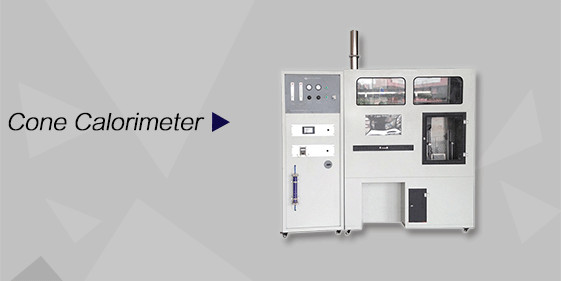
Cone Calorimeter
The import of American VTEC, cone calorimeter ultra high cost performance
more
-
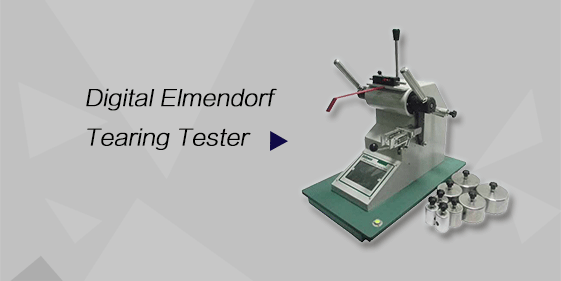
Digital Elmendorf Tearing Tester
Pendulum method test material tear strength, operating more simple, more accurate data
more
-
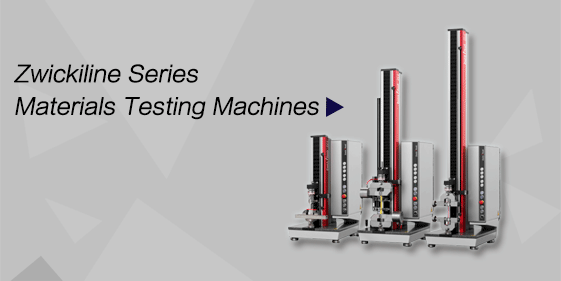
ZwickiLine Materials testing machines
Top of the world's leading universal material testing machine
more
High-Temperature Aging Chamber
BACK

Standards:
GB50052-95 Code for Design of Power Supply and Distribution GB50054-95 Code for Design of Low-Voltage Distribution GB50169-92 Code for Construction and Acceptance of Grounding Installations in Electrical Installation Engineering
Applications:
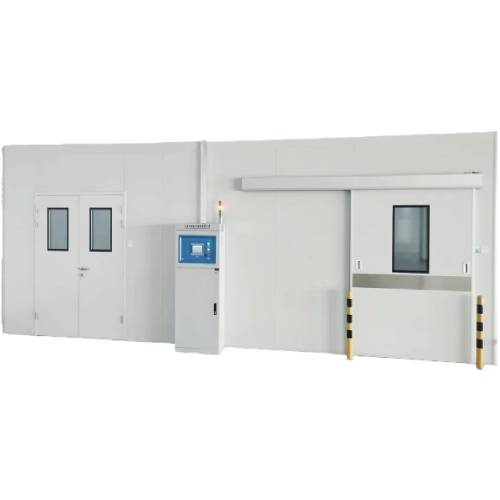
The High-Temperature Aging Chamber is a critical testing apparatus designed to simulate high-temperature and harsh environmental conditions for high-performance electronic products such as complete computers, monitors, terminals, servers, cameras, automotive electronics, PCBs, power supplies, motherboards, monitors, electrical appliances, and switch-mode chargers. It serves as an essential experimental device for enhancing product stability and reliability, and is a vital production process for improving product quality and competitiveness.
Product Information:
The High-Temperature Aging Chamber is designed to simulate high-temperature and harsh environmental conditions for high-performance electronic products, including computers, monitors, servers, cameras, automotive electronics, PCB boards, power supplies, motherboards, and chargers. You can use this chamber to evaluate thermal stability, product reliability, and overall durability, making it an essential tool for improving product quality, performance, and competitiveness in industrial production.
Features
1. Control system integration with aging function design. The control cabinet features functional design, enabling operation of aging duration, temperature, and various switches from a single unit. The cabinet panel boasts an aesthetically pleasing design and intuitive operation.
2. Fully automated aging process with partial anomaly self-handling capabilities, streamlining operations for simplicity and automation.
3. Multiple safety protections ensure reliable operation.
4. Electric heating prevents dry burning. Automatic power shutdown occurs during fan failure or excessive duct temperatures, accompanied by audible alarms.
5. Interlocked heating and fan operation: Heaters cannot activate independently if fans fail to start.
6. High-temperature resistant wiring (non-combustible at 300°C) connects all heating elements.
7. Equipped with a 40W high-temperature-resistant explosion-proof indoor light fixture, extending bulb lifespan and preventing bulb explosions.
8. Chamber body constructed with flame-retardant insulation material, offering excellent thermal performance and high safety margins.
9. Over-temperature audible/visual alarm function: During aging processes, the chamber automatically cuts power and triggers an alarm upon detecting over-temperature or overload conditions.
Parameters
| Item | Specifications |
|---|---|
| Dimensions | Room size specified by the customer according to on-site conditions |
| Insulation Material | Rock wool or polyurethane (choose one); thickness: 5.0 cm, 7.5 cm, 10 cm, or customer-specified |
| Temperature Range | RT ~ +45°C / ~70°C / ~+85°C |
| Temperature Fluctuation | ±1°C |
| Temperature Deviation | ±2°C / ±3°C / ±5°C, etc. (measured under no-load conditions) |
| Operation Mode | Temperature adjustable, constant temperature and fixed value operation (PLC program control or fixed value control) |
| Heating Power | Determined by the size of the aging chamber |
| Installation Power | 380V, 50 Hz; if using 220V power, a minimum current supply of 120A is required |
Accessories
Microcomputer PID temperature controller with digital display.
PT-100 platinum resistance sensors.
Stainless steel or galvanized ducting and high-performance axial fans.
Control panel with safety switches and indicators.
Explosion-proof internal lighting.
Optional exhaust system for temperature stabilization.
Test Procedures
1. Pre-Operation Preparation
Inspect chamber exterior for deformation, scratches, and aging of sealing strips.
Verify main power supply (380V standard) and control box power compatibility.
Check grounding resistance (<4Ω) using a multimeter.
Ensure temperature sensors are calibrated and clean (recommended annual calibration).
Confirm surrounding environment: ≥50 cm clearance, avoid direct sunlight or heat/cold sources; ambient 5–40℃, humidity ≤85% RH.
2. Startup Sequence
Turn on main chamber power, then the control box main switch. System performs self-check (~30s).
Observe display; ensure “Self-check complete” is indicated.
3. Preheating or Cooling
For rapid cooling, engage the “pre-cool” mode to reach target temperature minus 10℃.
For high-temperature tests, initiate “heating preheat” process with circulation fans to accelerate temperature stabilization.
4. Sample Placement
Place samples evenly, avoid overcrowding, ensure airflow circulation.
Verify total weight and volume do not exceed chamber limits.
5. Operation Monitoring
Continuously monitor internal temperature and fan operation.
Observe for abnormal alarms; take corrective action if necessary.
Restrict access to authorized personnel only.
FAQ
1. What is the maximum operating temperature?
The chamber can reach up to +85℃, depending on your selected range and configuration.
2. How precise is temperature control?
Temperature fluctuation is ±1℃, with a deviation under no-load conditions ≤±2~5℃.
3. How does the chamber ensure safety during operation?
It includes over-temperature protection, dry-burn prevention, fan interlock, leakage protection, overcurrent protection, and audible-visual alarms.
4. Can the chamber be customized for different sizes?
Yes, chamber dimensions can be tailored according to customer site and product requirements.
5. How does the air circulation system work?
High-performance fans create forced vertical convection with adjustable wind ducts to ensure uniform temperature distribution.
6. Is the heating system energy-efficient?
Yes, the PID-controlled high-speed finned heaters optimize energy use, maintain high precision, and reduce power consumption.
