




Search keywords:
product name, product type, model number,
test method, manufacturer, technique, application
-
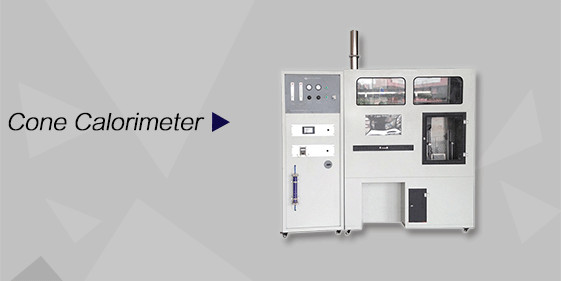
Cone Calorimeter
The import of American VTEC, cone calorimeter ultra high cost performance
more
-
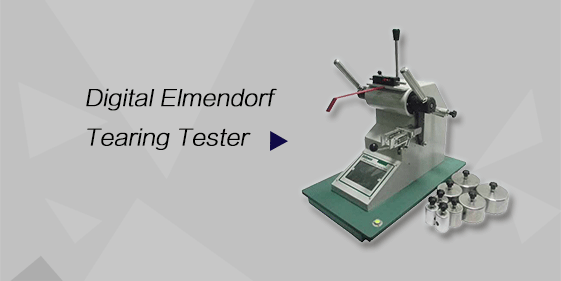
Digital Elmendorf Tearing Tester
Pendulum method test material tear strength, operating more simple, more accurate data
more
-
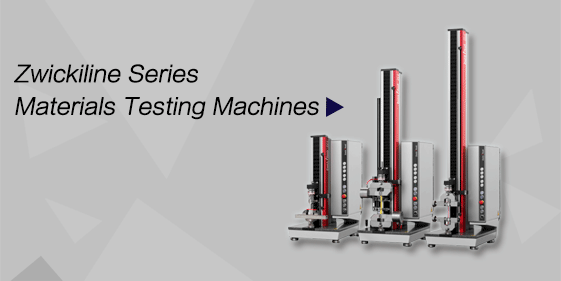
ZwickiLine Materials testing machines
Top of the world's leading universal material testing machine
more
Backsheet Scratch Resistance Tester
BACK

Standards:
IEC 61730-2 – Photovoltaic (PV) Module Safety and Mechanical Performance UL 1703 – Standard for Safety of Photovoltaic Modules
Applications:
This tester is widely applied in:
PV Module Backsheet Scratch Resistance Testing: Assess the backsheet’s ability to withstand scratches from sharp objects.
R&D Material Improvement Validation: Evaluate improvements in backsheet materials during development stages.
Certification Testing: Compliant with IEC 61730-2 and UL 1703 standards.
Material Selection and Comparison: Compare different backsheet materials for durability and scratch resistance.
Quality Control and Reliability Testing: Ensure consistent backsheet performance during production.
In-Process Sampling: Evaluate anti-scratch performance in production lines.
Product Information:
The Backsheet Scratch Resistance Tester evaluates the scratch resistance of photovoltaic (PV) module backsheets. By applying a standardized sharp edge with controllable speed across the module backsheet surface, it simulates scratches that may occur during transportation, installation, or daily use. This test assesses the durability and resistance of backsheet materials to sharp objects, providing reliable data for material selection, quality control, and certification compliance.
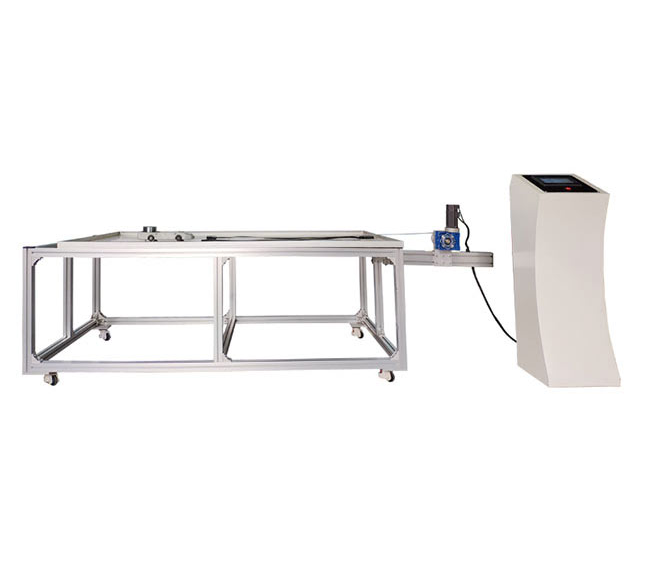
Parameters
| Item | Technical Parameter |
|---|---|
| Workbench Material | Aluminum alloy |
| Workbench Size | 1.4 m × 0.65 m |
| Traction Pulley | Integrated, for smooth carriage movement |
| Carriage Saw Blade Material | Carbon steel |
| Saw Blade Thickness | 0.64 mm ± 0.05 mm |
| Blade Tip Radius | 0.115 ± 0.025 mm |
| Saw Blade Adjustability | Distance and angle adjustable to meet standards |
| Weights | Standard weight box, 8.9 N ± 0.5 N |
| Traction Method | Motorized constant-speed, continuously adjustable |
| Traction Direction | Adjustable |
| Scratch Speed | 150 ± 30 mm/s |
Features
Aluminum alloy workbench ensures stability and durability.
Precision carriage design allows adjustable blade angle, distance, and weight for standard force application.
Motorized constant-speed traction with continuously adjustable speed simulates realistic scratching.
Adjustable traction direction accommodates different testing requirements.
Fully compliant with IEC 61730-2 and UL 1703 standards for backsheet scratch testing.
Easy operation with high repeatability, suitable for R&D and quality control laboratories.
Accessories
Workbench: Aluminum alloy with integrated traction pulleys.
Carriage: Equipped with saw blade and weight box, angle and distance adjustable.
Saw Blade: Carbon steel, thickness 0.64 mm ± 0.05 mm, tip radius 0.115 ± 0.025 mm.
Motor: Constant-speed traction, adjustable speed.
Weights: Standardized, ensures 8.9 N ± 0.5 N force.
Test Procedures
Place the PV module backsheet on the workbench and fix its position securely.
Install the carriage saw blade and adjust its angle, distance, and applied weight to meet the standard.
Set the motor speed and traction direction, ensuring a scratch speed of 150 ± 30 mm/s.
Check the workbench and surrounding area for safety to prevent operator contact with the blade.
Start the motor and perform the scratch test.
After testing, examine the backsheet surface for scratches and record the results.
Regularly inspect the saw blade, weights, and traction motor to maintain precision and safety.
Maintenance Information
Keep the workbench clean and free of debris.
Inspect the saw blade for wear and replace if necessary.
Verify weight boxes are correctly calibrated.
Check motor operation and ensure smooth traction.
Perform routine cleaning and maintenance to guarantee accurate and safe testing.
Conclusion
The Backsheet Scratch Resistance Tester provides a precise and repeatable method to evaluate PV module backsheet durability. By controlling blade angle, applied weight, and traction speed, it simulates real-world scratches encountered during transportation, installation, and use. The system ensures reliable material assessment, quality control, and compliance with IEC 61730-2 and UL 1703. supporting R&D, production monitoring, and certification laboratories.
FAQ
What is the main purpose of the Backsheet Scratch Resistance Tester?
It evaluates the scratch resistance of photovoltaic module backsheets by applying a controlled force using a standardized sharp edge. This simulates potential scratches during transportation, installation, or usage, helping assess the durability and mechanical reliability of backsheet materials.
How is the scratch applied to the module backsheet?
The scratch is applied via a saw blade mounted on a motorized carriage. The blade is weighted with standard weights (8.9 N ± 0.5 N) and moves at a controlled speed of 150 ± 30 mm/s. The blade angle and distance are adjustable to meet standard testing requirements.
Does the tester comply with international standards?
Yes. It fully complies with IEC 61730-2 for PV module safety and mechanical performance, and UL 1703 for module safety standards. This ensures results are reliable for certification, R&D, and quality control purposes.
