




Search keywords:
product name, product type, model number,
test method, manufacturer, technique, application
-
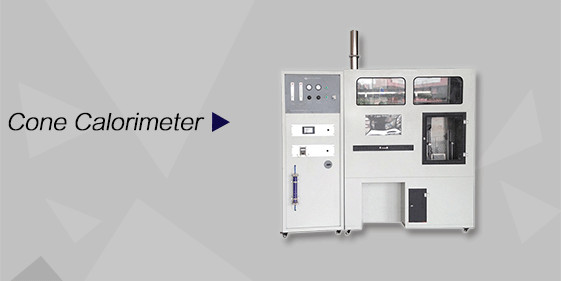
Cone Calorimeter
The import of American VTEC, cone calorimeter ultra high cost performance
more
-
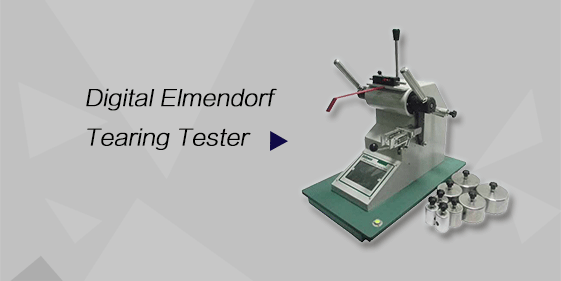
Digital Elmendorf Tearing Tester
Pendulum method test material tear strength, operating more simple, more accurate data
more
-

ZwickiLine Materials testing machines
Top of the world's leading universal material testing machine
more
Ci3000+ Xenon Arc Weathering Test Chamber
BACK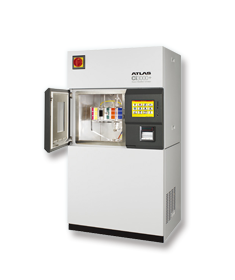


Standards:
l AATCC TM16-1998,l AATCC TM16-2004,l AATCC TM169,l ASTM C1442,l ASTM D3424,l ASTM D4303,l ASTM D4355,l ASTM D4459,l ASTM D4798,l ASTM D5071,l ASTM D6551,l ASTM D6695,l ASTM D7869,l ASTM D904,l ASTM G151,l ASTM G155,l GME 60292,l ISO 105-B02,l ISO 105-B04,l ISO 105-B06,l ISO 105-B10,l ISO 11341,l ISO 12040,l ISO 3917,l ISO 4892-1,l ISO 4892-2,l JASO M346,l MIL-STD 810F......
Applications:
The Ci3000+ Xenon Arc Weathering Test Chamber is used for accelerated weathering and color fastness testing by simulating natural daylight and climatic conditions. Typical applications include:
Evaluation of lightfastness and color change in dyed and printed textiles
Weathering resistance testing of plastics and polymer materials
Durability assessment of paints, coatings, and surface finishes
Performance testing of inks and printed materials
Aging behavior analysis of packaging materials
Exposure testing of automotive interior and exterior materials
Stability testing of pigments, dyes, and photo-sensitive materials
Product Information:
The Ci3000+ Xenon Arc Weathering Test Chamber is an advanced laboratory climate aging and lightfastness testing system designed to accurately simulate natural sunlight and environmental conditions. As part of the well-established 3000 Series Weather-Ometer and Fade-Ometer platforms, it integrates modern digital control and optical technologies to deliver precise, reproducible, and repeatable results. The system is widely recognized in textile, coatings, plastics, and related industries as a reliable solution for evaluating product durability and service life under controlled xenon arc exposure. The Ci3000+ series complies with major international safety and performance certifications, including CE, UL, CSA, ISO, and EN.
Parameters
| Item | Specification |
|---|---|
| Light Source | 4500 W water-cooled xenon arc lamp |
| Total Exposure Area | 2.188 cm² (339 in²) |
| Control Interface | 12-inch TFT full-color touch screen |
| Black Panel Temperature | Direct control (BPT or BST selectable) |
| Relative Humidity | Directly controlled |
| Chamber Air Temperature | Directly controlled |
| Preset Test Methods | 14 (Weather-Ometer), 6 (Fade-Ometer) |
| Custom Programs | Up to 12 user-defined programs |
| Data Output | Ethernet and USB (USB drive included) |
| Languages | English, French, German, Spanish, Japanese, Chinese, Korean, Turkish |
| Safety Compliance | CE, UL, CSA, ISO, EN |
Features
Water-cooled xenon lamp cooling system with high efficiency and low water consumption
Rotating specimen rack to ensure uniform exposure across all samples
Enhanced digital control system supporting both preset and custom test programs
Programmable step-by-step control of irradiance, temperature, and humidity
Intuitive LCD touch interface with clear icons and multilingual support
SmartLight Monitor™ to verify correct lamp and sensor installation
Smart Damper™ system to minimize chamber temperature and humidity variability
VibraSonic™ ultrasonic humidification system for stable humidity control
Built-in diagnostics and water quality indicator for system monitoring
Accessories
(1) Xenon arc lamp cooling system (CS-7)
(2) Multiple specimen holders for different sample types
(3) Filter combinations for common test methods
(4) Air inlet dust filter
(5) Chamber observation window
(6) USB storage device
(7) Water quality indicator
Test Procedures
Install the appropriate xenon lamp, optical filters, and specimen holders according to the selected test method.
Mount test specimens evenly on the rotating specimen rack to ensure uniform exposure.
Select a factory preset test method or configure a custom program, including irradiance, temperature, humidity, and exposure duration.
Start the test and monitor operating parameters via the touch screen interface.
Upon completion, the system automatically counts down based on irradiance or time and records test data for analysis.
Maintenance Information
Regular maintenance includes inspection of the xenon lamp and cooling system, replacement of optical filters as required, and monitoring of water quality using the built-in indicator. The chamber interior, air filters, and humidification system should be checked periodically to ensure stable operating conditions and long-term test accuracy. Built-in diagnostic functions assist in identifying system status and maintenance needs.
FAQs
1. What types of tests can the Ci3000+ Xenon Arc Weathering Test Chamber perform?
The Ci3000+ is designed for accelerated weathering and lightfastness testing by simulating natural sunlight and environmental conditions. It can evaluate color change, fading, and material degradation in textiles, plastics, coatings, inks, pigments, and automotive materials. By using a water-cooled xenon arc lamp and controlled temperature and humidity, the system provides reproducible exposure conditions suitable for service life prediction and material comparison studies.
2. How does the water-cooled xenon lamp system improve test reliability?
The water-cooled xenon arc lamp system provides stable light output and effective thermal management. By maintaining consistent lamp temperature and reducing thermal stress, it helps ensure stable irradiance levels throughout long-term tests. This contributes to improved repeatability and reproducibility, which are essential for comparing test results across different batches, laboratories, or testing cycles.
3. What control and programming capabilities are available?
The enhanced digital control system supports both factory preset test methods and up to 12 custom user-defined programs. Irradiance, black panel temperature, chamber air temperature, and relative humidity can be directly set and programmed in stepwise sequences. This flexibility allows the chamber to meet the requirements of multiple international test standards and customized testing protocols.
4. How does the system ensure uniform exposure of test specimens?
Uniform exposure is achieved through the rotating specimen rack design and optimized optical configuration. The rotation ensures that all mounted samples receive consistent light exposure over time, minimizing positional effects and improving result comparability across different specimens within the same test run.
