




Search keywords:
product name, product type, model number,
test method, manufacturer, technique, application
-
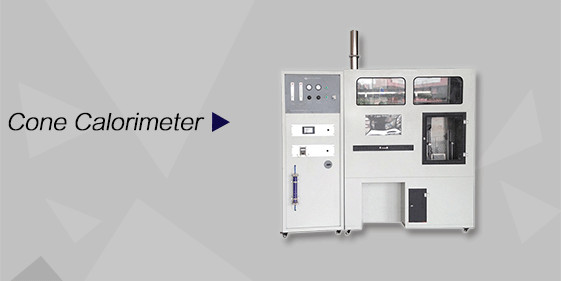
Cone Calorimeter
The import of American VTEC, cone calorimeter ultra high cost performance
more
-
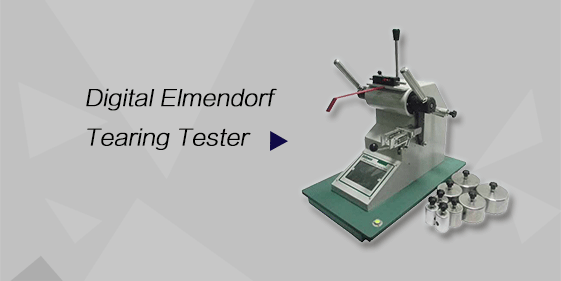
Digital Elmendorf Tearing Tester
Pendulum method test material tear strength, operating more simple, more accurate data
more
-
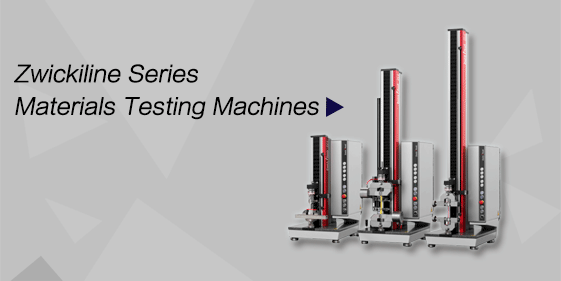
ZwickiLine Materials testing machines
Top of the world's leading universal material testing machine
more
UV Test Ultraviolet Weathering Test Chamber
BACK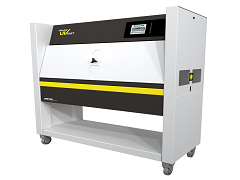


Standards:
The UVTest Ultraviolet Weathering Test Chamber complies with the following international and industry standards: (ASTM D4329) (ASTM D4587) (ASTM D4799) (ASTM D5208) (ASTM G151) (ASTM G154) (EN 927-6) (EN 1297) (EN 1898 FIBC) (EN 12224) (EN 13523-10) (ISO 4892-1) (ISO 4892-3) (ISO 11507) (ISO 11895) (ISO 11997-2) (SAE J2020) (prEN 1062-4)
Applications:
The UVTest Ultraviolet Weathering Test Chamber is widely used for accelerated aging and durability testing of materials exposed to ultraviolet radiation and moisture. Typical applications include:
Weathering resistance testing of coatings, paints, and inks
Aging evaluation of plastics, resins, and polymer materials
Performance testing of printing and packaging materials
UV durability assessment of aluminum profiles and metal coatings
Aging behavior analysis of adhesives and sealants
Exposure testing of automotive and motorcycle components
Stability testing of cosmetics and pharmaceutical packaging materials
Reliability testing in electronics, electroplating, and semiconductor industries
Research and development applications in photonics, biotechnology, and academic laboratories
Product Information:
The UVTest Ultraviolet Weathering Test Chamber is designed for accelerated weathering evaluation using ultraviolet fluorescent light to simulate the damaging effects of sunlight, moisture, and heat on materials. This ultraviolet weathering test chamber provides reliable and repeatable exposure conditions for assessing material durability, surface degradation, and aging performance. With an innovative design focused on performance, usability, accuracy, and safety, the UVTest chamber meets or exceeds verification performance levels commonly expected in laboratory UV aging testing and is suitable for a wide range of industrial and research applications.
Parameters
| Item | Specification |
|---|---|
| UV Lamps | 8 × 40 W ultraviolet fluorescent lamps |
| Irradiance Uniformity | Within 4% over the entire specimen surface |
| Irradiance Range | Min. 0.35 W/m² (UVA, UVB); Max. 1.55 W/m² (UVA), 1.23 W/m² (UVB) |
| Black Panel Temperature (UV Stage) | 35–80 °C (95–176 °F) |
| Black Panel Temperature (Condensation Stage) | 35–60 °C (95–140 °F) |
| Specimen Capacity | 48 specimens plus BPT on 24 specimen holders |
| Weight | Approx. 140 kg (310 lb), depending on configuration |
| Power Supply | 120 VAC (±10%), 1 Ph., 50/60 Hz, 12 A; or 230 VAC (±10%), 1 Ph., 50/60 Hz, 8 A |
| Spray Water Pressure | 25–40 psi (1.7–2.7 bar) |
| Spray Water Quality | TDS < 1 ppm; Silica < 0.1 ppm; Conductivity < 5 μS/cm or ≥ 200 kΩ |
| Condensation Water Pressure | 2–60 psi (0.1–4.1 bar) |
| Condensation Water Quality | Deionized water recommended but not mandatory |
Features
Innovative design delivering improved performance, accuracy, usability, and safety
Eight 40 W UV fluorescent lamps for stable and controlled ultraviolet exposure
Black panel temperature (BPT) control for precise surface temperature simulation
Touchscreen display with multilingual user interface
Ethernet connectivity for data acquisition and test monitoring
High-level safety protection including door interlock, low water level protection, and over-temperature protection
Compliance with CE requirements and certification by UL and CSA
Sample racks and easy-to-use specimen fixing rings for efficient sample handling
Dedicated irradiance calibration safety interface
Accessories
(1) Recirculating water spray system
(2) 12 standard spray nozzles
(3) Handheld irradiance calibration meter
(4) Ethernet-based data acquisition software
(5) Stacking kit
(6) Irradiance control options (340 nm, 313 nm, 351 nm)
(7) Customized spray nozzles
Test Procedures
Install the required UV fluorescent lamps and verify correct positioning of specimen holders.
Mount specimens securely using the fixing rings to ensure consistent exposure.
Select the appropriate test cycle, including UV exposure and condensation stages, according to the applicable standard.
Set irradiance level, black panel temperature, and spray or condensation parameters as required.
Start the test and monitor operating conditions via the touchscreen interface and Ethernet-based data system.
After completion, remove specimens for visual inspection, physical testing, or comparative evaluation.
Maintenance Information
Routine maintenance includes periodic inspection and replacement of UV lamps, verification of irradiance calibration, and cleaning of spray nozzles and water systems. Water quality should be monitored to meet specified purity requirements for spray and condensation stages. Safety systems, including door interlocks and temperature protection functions, should be checked regularly to ensure reliable long-term operation and consistent test results.
FAQ
1. What types of materials can be tested using the ATLAS UVTest Ultraviolet Weathering Test Chamber?
The ATLAS UVTest chamber is suitable for accelerated ultraviolet aging tests on a wide range of materials, including coatings, paints, inks, plastics, resins, adhesives, packaging materials, aluminum profiles, and automotive components. It is also commonly used in electronics, cosmetics, pharmaceutical packaging, and research applications. By combining UV exposure with controlled temperature and moisture conditions, the chamber helps evaluate material durability, surface degradation, and resistance to weathering effects.
2. How does black panel temperature (BPT) control contribute to test accuracy?
Black panel temperature control allows the chamber to simulate surface temperatures experienced by materials during real outdoor exposure. By directly controlling BPT during UV and condensation stages, the UVTest chamber ensures consistent thermal conditions across specimens. This improves test repeatability and allows meaningful comparison of results obtained under different test cycles or standards, particularly for coatings and polymer materials sensitive to temperature variations.
3. What safety features are integrated into the UVTest chamber?
The UVTest chamber incorporates multiple safety protection mechanisms, including hardware and software interlocks that stop operation when the door is opened, low water level protection, and over-temperature protection. These features help protect operators and equipment while maintaining stable test conditions. Compliance with CE requirements and certification by UL and CSA further confirms the chamber’s safety design.
4. How is irradiance controlled and verified during testing?
Irradiance is controlled through dedicated UV lamp configurations and can be adjusted within specified UVA and UVB ranges. A dedicated irradiance calibration safety interface and optional handheld calibration meter allow verification of light output. This ensures that exposure conditions remain within required tolerances for relevant international test standards.
