





Installation of Textile Flatness Tester in Istanbul, Turkey
2026/04/10
Share:


Hong Kong — As a global leader in industrial automation solutions, Standard International Group (Hong Kong) Limited recently successfully installed a tailor-made Textile Flatness Tester for a high-end carpet manufacturer in Istanbul. This milestone demonstrates that Chinese intelligent manufacturing now possesses global competitiveness in technical precision and service ecosystem.
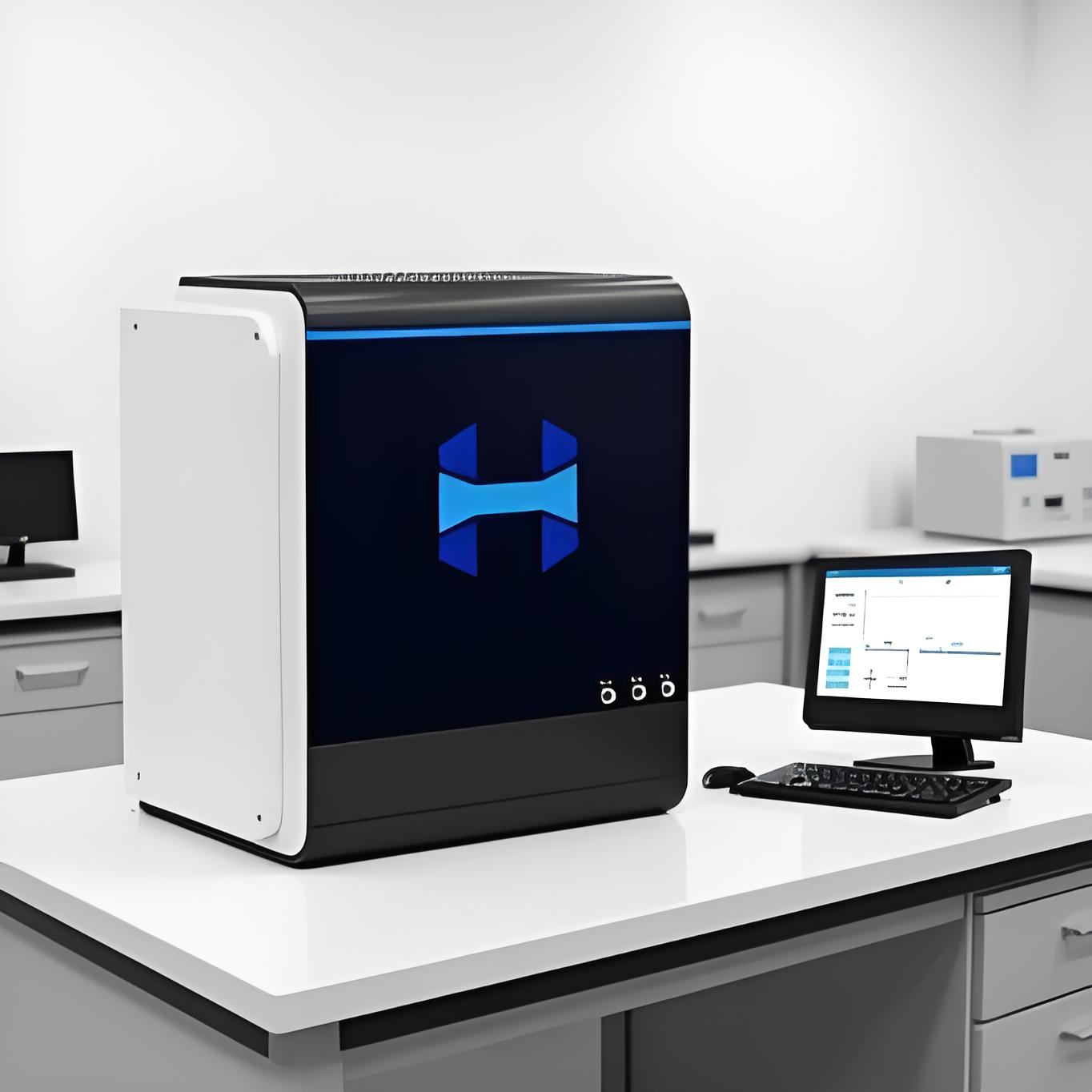
Why the Textile Flatness Tester Stands Out
Millimeter-level Precision Meets Artistic Requirements
The device employs a laser confocal displacement sensor with a detection accuracy of 0.01 mm, capable of precisely capturing minor undulations at the intersections of warp and weft threads in carpets. “Our handmade carpets contain over 100.000 knots per square meter. Traditional methods could only detect obvious wrinkles, but this device can identify potential deformations as small as 0.05 mm, allowing us to intervene in the production process in advance,” said Mr. Ahmet, Quality Control Director of the client company.
Non-contact Inspection Protects Expensive Materials
Using air-floating technology, the device ensures the fabric is transported without pressure, preventing damage to delicate materials such as silk and cashmere. “Last year, clamps damaged carpets worth $120.000. Now, with fully non-contact operation, this alone saves over $300.000 annually,” wrote Ms. Elif, Production Manager of the client company, in the acceptance report.
3D Modeling Enables Process Optimization
The device can generate a 3D point cloud model of the carpet surface, visually displaying the spatial distribution of flatness defects. “By analyzing the model, we found that wrinkles at the edges of a batch were related to dye shrinkage. After adjusting the dyeing process, the defect rate dropped by 42%,” emphasized the company’s technical consultant at an industry forum.
A Call to Action for Innovators
The successful sale of the Textile Flatness Tester demonstrates the importance of tangible demonstrations and customer engagement in marketing. By setting differentiated flatness standards for different product lines (e.g., palace-style vs. modern-style) and integrating a multilingual cloud platform with a Turkish interface and cloud database, global branch data can be synchronized. This not only improves quality inspection efficiency but also enhances product value. With more precise quality control, the client company’s high-end series prices increased by 15%, and the proportion of European orders rose from 38% to 55%.
Availability: The Textile Flatness Tester is now available for global pre-order and offers customized configurations and after-sales support.
Previous: Installation of Contact Coolness Tester STD-QM in Vietnam
N e x t : Installation of Scratch Resistance Tester in Germany
