





What is the role of the xenon lamp aging test chamber in accelerated aging testi
2025/11/24
Share:

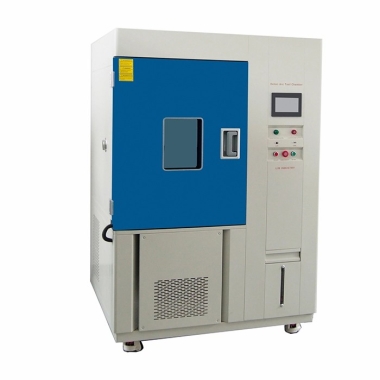
Xenon lamp aging test is a test that simulates the full solar spectrum. It is currently the best artificial climate reliability test, capable of simulating near-natural artificial climate conditions in a short time. Xenon lamp aging test can be used for selecting new materials, improving existing materials, or evaluating changes in the durability of materials after composition adjustments. It provides a corresponding simulated testing environment and accelerated testing for scientific research, product development, and quality control. It can better simulate the changes that occur when products are exposed to sunlight under different environments.
The Principle of Xenon Lamp Aging
The spectral energy distribution of xenon lamp aging tests in the ultraviolet and visible regions is similar to that of sunlight. The radiation emitted by the xenon lamp is filtered out by a light filter, removing shorter ultraviolet wavelengths below 290nm and infrared wavelengths above 1200nm, making the spectrum reaching the sample surface closer to that of sunlight. Coatings, plastics, and other organic materials exposed to natural climatic conditions and sunlight radiation will exhibit phenomena such as loss of gloss, fading, yellowing, peeling, cracking, loss of tensile strength, and complete layer detachment after a period of time. Even indoor light or sunlight passing through window glass can damage substances such as pigments or dyes.
Factors Aging with Xenon Lamp
Generally speaking, the combined effects of light, temperature, and humidity will accelerate the aging of products. Light: Sunlight can be divided into ultraviolet, visible, and infrared light based on wavelength. Generally speaking, ultraviolet (UV) radiation has the greatest impact on objects. Paints and plastic products directly exposed to UV light age faster. Even less stable materials exposed to visible or infrared light, such as some pigments and dyes, will age. Therefore, the intensity of UV radiation is crucial to product aging. Temperature: Generally, higher temperatures increase the activity of molecules in materials exposed to high temperatures, which, combined with UV radiation, accelerates aging. With a given UV intensity, higher temperatures cause greater damage to materials. Therefore, in testing, the temperature of the xenon lamp aging test chamber is often increased to accelerate material aging. Humidity: Generally, humid environments promote material aging. In natural environments, rainwater, dew, and air humidity all play a role in material aging, with dew being the most significant. Therefore, xenon lamp aging test chambers simulate various humidity environments during testing to accelerate material aging.
The Role of Xenon Lamp Chambers in Accelerated Aging Testing
Xenon lamp chambers play a crucial role in accelerated aging testing, providing valuable information on the durability and lifespan of materials under various environmental conditions. These chambers simulate the effects of sunlight, temperature, and humidity, enabling manufacturers to predict the performance of their products over time. The increasing demand for higher quality and longer-lasting products across industries, coupled with the growing need for advanced testing methods, has spurred the development of various types of xenon lamp chambers, each designed to meet specific testing requirements.
Full-spectrum xenon lamp chambers are one of the main types of xenon lamp chambers. These chambers use xenon arc lamps to simulate the entire solar spectrum, including ultraviolet (UV), visible, and infrared (IR) light. By simulating natural sunlight, full-spectrum xenon lamp chambers can comprehensively evaluate the response of materials to long-term outdoor exposure. These chambers are particularly suitable for testing products such as automotive parts, building materials, and outdoor textiles, where sunlight exposure is a key factor affecting their performance and lifespan.
Another important type of xenon lamp chamber is the ultraviolet focused xenon arc chamber. Unlike full-spectrum test chambers, UV-focused test chambers primarily focus on the ultraviolet (UV) portion of the UV spectrum. It is well known that UV radiation causes significant degradation in many materials, including plastics, coatings, and polymers. By isolating the UV component, these chambers can more specifically assess a material's resistance to UV damage. This testing is crucial for industries where UV exposure is a primary concern, such as the development of sunscreens, outdoor furniture, and protective coatings.
In addition to full-spectrum and UV-focused test chambers, there are also xenon lamp test chambers designed to simulate specific environmental conditions. For example, some chambers are equipped with advanced humidity and temperature control systems, enabling them to simulate the combined effects of sunlight, heat, and humidity. These chambers are particularly important for testing materials intended for use in harsh environments, such as marine applications, where seawater and high humidity accelerate the degradation process. By simulating these conditions, manufacturers can better understand the performance of their products in real-world applications and make necessary adjustments to improve their durability.
Furthermore, there are xenon lamp test chambers specifically designed for accelerated aging testing. These chambers operate at high light intensity and high temperatures to accelerate the aging process, allowing manufacturers to obtain test results in a shorter time. Accelerated aging testing is crucial for industries with long product lifecycles (such as aerospace and electronics) because these industries must ensure that materials can withstand prolonged use without significant performance degradation.
The Importance of Xenon Lamp Aging in the Market
Enhancing Product Competitiveness: In various fields such as automotive, plastics, and textiles, the weather resistance and aging resistance of products are key factors valued by consumers.
Driving Market Demand Growth: With the continuous development of industries such as industrial automation, automotive manufacturing, and electronic equipment, the demand for product quality testing is constantly increasing, leading to a growing demand for xenon lamp aging test chambers.
Reducing Enterprise Maintenance Costs: By conducting accelerated aging tests using xenon lamp aging test chambers, businesses can identify and improve problems during the product design and production stages, avoiding recalls and repair costs due to quality issues later on.
In summary, xenon lamp test chambers are an indispensable tool in the field of accelerated aging testing, offering a variety of options to meet diverse testing needs. From full-spectrum and UV-focusing chambers to chambers specifically designed for particular environmental conditions and accelerated aging, each type of chamber provides unique material performance analysis. With continuous technological advancements, the functionality of xenon lamp test chambers will undoubtedly expand, further enhancing our ability to predict and improve the durability of products across various industries. By understanding the different types of xenon lamp test chambers currently available, manufacturers can select the optimal testing methods based on their specific application needs, ultimately creating higher quality and more durable products.
Previous: What is tensile strength testing?
N e x t : Xenon Arc Weathering Test Chamber for Material Aging Tests
