





What is a resistance tester used for?
2026/01/08
Share:

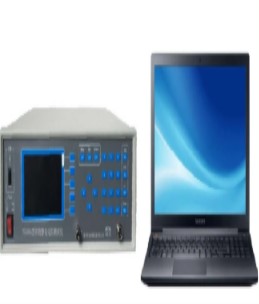
This article explores the applications of resistance testers, analyzes their importance across various fields, and explains how to select and use them for optimal results.
Definition and Working Principle
Definition
A resistance tester (also known as an ohmmeter or digital resistance meter) is a device used to measure the electrical resistance of circuits, equipment, or components such as resistors, wires, cables, and connectors. By measuring resistance, it determines if a device is functioning correctly or requires repair or replacement.
Working Principle
The basic principle is based on Ohm's Law: $R = \frac{V}{I}$ (Resistance equals Voltage divided by Current). By applying a known voltage to the component under test, the instrument measures the resulting current to calculate the resistance. Modern digital testers feature high precision, automated functions, and digital displays for easy reading.
Primary Applications
Troubleshooting Electrical Equipment
In maintenance and repair, resistance testers are essential for diagnosing faults. By measuring the resistance of individual parts, technicians can quickly identify damaged components, poor connections, or insulation issues. For example, abnormal winding resistance in a motor often indicates damage.
Cable and Circuit Testing
Engineers use resistance testers to verify if cable lines meet standards, identifying issues like open circuits, short circuits, or leakage. In long-distance power transmission, they detect efficiency loss and aging, preventing systemic failures.
Battery and Battery Pack Testing
Testers are used to measure the internal resistance of batteries. High internal resistance hinders discharge capability and reduces efficiency. This is crucial for battery management in electric vehicles (EVs), energy storage systems, and mobile devices.
Electronic Component and Circuit Testing
Components like resistors, capacitors, and inductors must be tested to ensure they meet design specifications. During circuit debugging, engineers measure various points to check for shorts or broken paths.
Safety Inspections
In low-voltage systems, resistance testers measure grounding resistance. If the grounding resistance is too high, the system cannot safely direct fault currents to the earth, posing a safety hazard. Regular checks are mandatory for operational safety.
Quality Control in Electrical Engineering
During construction, engineers test wiring quality to ensure connections are secure and insulation is intact. Upon project completion, resistance tests are used for system acceptance to confirm compliance with safety codes.
Types and Selection
| Type | Characteristics | Applications |
| Digital Resistance Tester | High precision, auto-ranging, data storage. | Research, precision manufacturing, general repair. |
| Analog Resistance Tester | Needle-based display; shows trends visually. | Real-time debugging and observation of fluctuations. |
| Insulation (High-Res) Tester | Provides high test voltage; measures megohms. | Transformers, high-voltage cables, insulation safety. |
| Micro-Ohm (Low-Res) Tester | High current, low voltage; measures tiny resistance. | Solder joints, contact points, wire connections. |
How to Use a Resistance Tester Correctly
Preparation
Power Off: Always ensure the circuit or device is powered down to prevent short circuits or electric shocks.
Range Selection: Select the appropriate range to avoid inaccurate readings or damaging the meter.
Battery Check: Ensure the tester has sufficient power for an accurate measurement.
Precautions During Measurement
Good Contact: Ensure the probes are firmly touching the test points.
Avoid Interference: Do not touch the metal parts of the probes or other conductive objects during the test.
Temperature Factors: Since resistance changes with temperature, perform measurements in a stable environment when possible.
Post-Measurement
Record the results immediately. If values fall outside the normal range, further investigation is required to identify the root cause of the fault.
The resistance tester is an indispensable tool in modern electrical engineering and electronics. From fault diagnosis to safety inspections and quality control, it provides the precise data needed to ensure reliability. As technology advances, these instruments continue to improve in accuracy and functionality, playing a vital role in reducing equipment failure rates and improving work efficiency.
Previous: What is the difference between crease resistance and crease recovery?
N e x t : Automatic Down Filling Tester,BSEN12130
