





Automatic Down Filling Tester,BSEN12130
2026/01/08
Share:

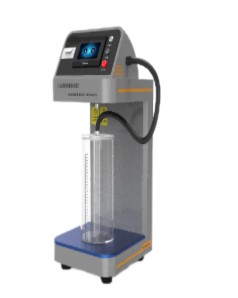
This device efficiently and precisely detects critical indicators such as filling quantity, filling density, uniformity, and compression performance. This article explores the working principles, applications, advantages, and selection methods of the Automatic Down Filling Tester, highlighting its importance in the down industry.
Definition and Functions
What is an Automatic Down Filling Tester?
An Automatic Down Filling Tester is a device designed to detect the filling volume and quality of down. Its primary function is to evaluate warmth and comfort by testing parameters such as filling quantity, distribution uniformity, and compressibility. Controlled by a computer and equipped with sensors and automated operating systems, it significantly enhances testing precision and efficiency.
Key Features and Functions
Filling Quantity Measurement: Uses sensors to accurately measure down weight/volume and calculate the density per unit area.
Uniformity Detection: Inspects the distribution of down throughout the product to ensure consistency and avoid loose or overly tight spots.
Compression Performance Testing: Evaluates the loft (fill power) and insulation capacity by testing how the down behaves under different pressure levels.
Automated Operation: Reduces human error and provides real-time data analysis and measurement results.
Working Principles
The tester operates through a combination of sensors, compression systems, and computer control:
Filling Measurement: The product is placed on a platform where sensors convert weight and volume data into specific filling indicators shown on an interface.
Uniformity Inspection: High-precision image recognition systems or sensors scan different areas of the product to identify uneven distribution and suggest adjustments.
Compressibility Testing: The instrument simulates real-use pressure to assess the down's resilience and loft. This helps predict long-term warmth and whether the product will collapse over time.
Data Analysis: The system analyzes all gathered data to generate detailed reports for quality control and product optimization.
Application Fields
Down Apparel Production: Ensures every jacket provides consistent warmth and a high-quality appearance through precise filling control.
Bedding (Quilts and Pillows): Guarantees that pillows and duvets maintain their comfort levels and stable quality.
Quality Control: Allows enterprises to strictly monitor raw materials and finished goods to meet industry standards.
R&D and Laboratory Testing: Provides accurate data for researchers exploring new materials or down-filling technologies.
Advantages of the Equipment
High Precision: Offers millimeter-level accuracy, ensuring stable and reliable results.
Efficiency: Automates a process that was traditionally time-consuming and prone to human error, allowing for rapid sampling.
Standardization: Automated sampling and reporting ensure that every test follows the same rigorous standards.
Data Management: Records history and analyzes trends, which is vital for optimizing production processes and material ratios.
Versatility: Adaptable to various types of down, from lightweight fills to heavy insulation.
Selection Criteria
When choosing a tester, businesses should consider:
Accuracy and Range: Ensure the device meets the specific precision requirements of your product line.
Level of Automation: Higher automation leads to better efficiency and less human intervention.
Data Features: Look for robust software capable of data storage, export, and trend analysis.
Maintenance and Support: Check the manufacturer’s reputation for technical support and the availability of replacement parts.
The Automatic Down Filling Tester has become an indispensable tool in modern textile manufacturing. By providing precise measurements of filling quantity, uniformity, and compression, it not only enhances quality control but also helps manufacturers optimize their crafts and improve market competitiveness. As consumer demand for high-quality down products grows, investing in such precision equipment is essential for delivering comfort and safety to the end user.
Previous: What is a resistance tester used for?
N e x t : Applications and advantages of the near-infrared spectroscopy analyzer
