





What does a combustion leak tester do?
2026/01/15
Share:

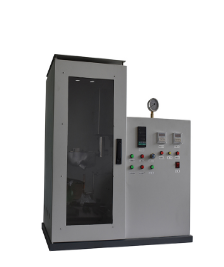
This article provides a comprehensive discussion of the combustion leak tester, covering its working principles, testing applications, operating procedures, advantages, and limitations, and explaining how it contributes to maintaining engine health and reliability.
What Is a Combustion Leak Tester?
A combustion leak tester is a diagnostic tool specifically designed to detect whether combustion gases from an engine’s combustion chamber are leaking into the cooling system. It is commonly used in water-cooled internal combustion engines, including those in passenger cars and heavy-duty trucks.
During normal engine operation, high-temperature and high-pressure combustion gases—primarily containing carbon dioxide (CO₂)—should remain sealed within the combustion chamber. If a failure occurs in engine sealing components such as the cylinder head gasket or cylinder head, these gases may escape into the cooling system. The combustion leak tester detects the presence of such gases to determine whether critical engine components are intact.
When sealing components fail—such as due to a blown head gasket, cracked cylinder head, or damaged engine block—combustion gases can infiltrate the coolant. This disrupts the chemical balance of the coolant, potentially forming acidic byproducts that corrode metal components over time. Such degradation can damage the radiator, coolant passages, and other cooling system parts, ultimately leading to severe engine failure. The combustion leak tester is designed precisely to identify this type of internal leakage.
Risks and Consequences of Combustion Gas Leakage
Before discussing how the tester works, it is important to understand what combustion leakage is and why it is so harmful to an engine.
1. What Is Combustion Gas Leakage?
Combustion gas leakage occurs when high-pressure gases generated inside the combustion chamber escape into the engine’s cooling system. Under normal conditions, fuel burns inside a sealed cylinder, producing mechanical energy while exhaust gases exit through the exhaust system. However, when sealing components such as the head gasket are compromised, these gases can penetrate coolant channels during engine operation.
2. Common Causes of Combustion Leakage
Several engine defects can lead to combustion gas leakage, including:
Damaged or blown cylinder head gasket
This is the most common cause. Over time, gaskets can degrade, crack, or fail due to heat stress, allowing gases to escape into the cooling system.
Cracked cylinder head
Prolonged overheating or repeated thermal cycling can cause metal fatigue, leading to microscopic or visible cracks in the cylinder head.
Cracked engine block
Extreme temperature fluctuations or manufacturing defects may result in cracks in the engine block, creating pathways for gas leakage.
3. Potential Damage Caused by Combustion Leakage
If left undetected, combustion leakage can cause serious mechanical problems:
Cooling system damage
High-temperature gases entering the coolant can alter its pH balance, creating corrosive conditions that gradually deteriorate radiators, water pumps, hoses, and metal components.
Overheating and cooling failure
As the cooling system becomes compromised, its heat dissipation efficiency declines, leading to engine overheating, thermal stress, and possibly catastrophic failure.
Reduced engine performance and fuel efficiency
Leakage disrupts normal combustion conditions, reducing engine power output and increasing fuel consumption.
How a Combustion Leak Tester Works
The core function of a combustion leak tester is to detect the presence of combustion gases—especially carbon dioxide (CO₂)—in the cooling system.
Basic principle
The tester uses a specialized chemical indicator fluid that reacts with CO₂. This fluid is typically blue under normal conditions. If combustion gases are present, the CO₂ dissolves in the fluid and forms carbonic acid, altering its pH and causing a visible color change—often turning yellow or green.
This color change provides a clear visual indication of combustion gas leakage.
Testing procedure
A typical testing process involves the following steps:
Prepare the tester
Fill the transparent test chamber with the indicator fluid.
Connect to the cooling system
Insert the tester into the radiator neck or coolant reservoir opening so that it is exposed to gases within the system.
Draw in air from the cooling system
Using a hand pump or squeeze bulb, draw air from the cooling system through the test fluid.
Observe the fluid color
If the fluid changes color, this indicates the presence of combustion gases in the cooling system.
This method does not require dismantling the engine or draining the cooling system, making it a quick and practical diagnostic tool.
Main Applications of the Combustion Leak Tester
The combustion leak tester serves several important purposes in automotive diagnostics:
1. Detecting head gasket failure
Since a damaged head gasket is a primary source of leakage, the tester is highly effective in confirming whether combustion gases are escaping into the coolant.
2. Identifying cylinder head or block cracks
Even small, hairline cracks that are not visually detectable can be revealed through gas testing.
3. Early detection of hidden problems
Some engine issues develop gradually without obvious symptoms. This tool helps identify potential failures before they lead to major breakdowns.
4. Supporting cooling system diagnostics
When an engine shows signs of overheating or abnormal coolant loss, the tester helps determine whether combustion leakage is the underlying cause.
Proper Use of a Combustion Leak Tester
To ensure reliable results, certain precautions should be followed:
Ensure safe engine temperature
The engine should be cool before testing to avoid burns from hot coolant.
Create an air space in the radiator
It is often recommended to remove a small amount of coolant so that gases can accumulate at the top of the radiator.
Interpret color changes carefully
A more pronounced color shift generally indicates a more severe leak.
Advantages and Limitations
Advantages
Fast diagnosis
Results can be obtained within minutes.
Cost-effective
Compared to more advanced diagnostic equipment, this tester is relatively inexpensive.
Easy to use
Minimal training is required for operation.
Limitations
Limited sensitivity to very small leaks
Minor leaks may not produce a noticeable color change.
Requires professional judgment
Test results should be interpreted alongside other symptoms and diagnostic findings.
The combustion leak tester is a highly practical diagnostic tool that uses a simple chemical reaction to reveal whether combustion gases are entering an engine’s cooling system. It helps mechanics identify problems related to head gaskets, cylinder heads, and engine blocks efficiently and non-invasively.
Although it has some limitations, it remains an essential instrument in automotive maintenance and engine diagnostics. When used correctly, it enhances troubleshooting accuracy, reduces repair costs, and helps prevent serious engine damage.
Previous: What is a breathing test for respirators?
N e x t : What is a Mask Air Tightness Tester?
