





Horizontal Flammability Tester,ISO 3795
2026/01/23
Share:

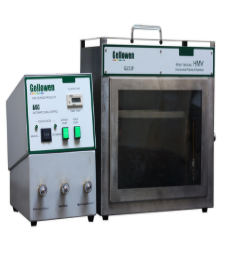
What Is a Horizontal Flammability Tester
A horizontal flammability tester is a testing device designed to evaluate the flammability or flame-retardant behavior of materials. During the test, a specimen is fixed horizontally inside a combustion chamber, and a standardized flame is applied to one end of the specimen. The tester records flame spread along the specimen, burning speed, and combustion completion behavior in accordance with standard requirements, thereby assessing the material’s flammability and fire resistance performance.
Compared with vertical burning tests, horizontal flammability testing more effectively reflects a material’s ignition tendency during the initial stage of flame contact. It is suitable for evaluating the flame-retardant properties of various non-metallic materials such as textiles, automotive interior components, and plastic parts.
Testing Principle and Operating Mechanism
The core principle of the horizontal flammability tester is to ignite a horizontally positioned specimen using a standardized flame and measure flame propagation speed and combustion behavior along the specimen length:
Flame application: A flame of standardized size and intensity is applied to one end of the specimen, typically using a fixed-height burner or gas nozzle.
Specimen fixation: The specimen is mounted on a fixture of specified dimensions, marked with start and end reference lines to ensure consistent test positioning and orientation.
Combustion monitoring: The tester is equipped with a timing device and observation window to record the time required for the flame to travel a specified distance, as well as to observe self-extinguishing behavior, flame stopping points, and burnout conditions.
By observing flame spread characteristics and burning rate, the flammability rating of the material can be determined. This method is highly standardized, repeatable, and comparable, making it a widely used testing approach in product safety evaluation.
Common Testing Standards and Specifications
The use of horizontal flammability testers is generally based on international or national standards, which specify test conditions, flame type, specimen dimensions, test procedures, and evaluation methods.
ISO Standards
ISO 3795: A horizontal flammability test method specifically for motor vehicle interior materials, evaluating burning rate and sustained combustion behavior under a defined ignition source.
ASTM Standards
ASTM D5132: A general horizontal burning test specification for textiles, plastics, and related materials, detailing specimen preparation, combustion conditions, and evaluation criteria.
SAE and FMVSS Standards
SAE J369: Applicable to flammability assessment of polymer-based interior materials.
FMVSS 302: A regulatory standard for evaluating the burn resistance of motor vehicle interior materials.
JIS and GB/T Standards
JIS D1201: Japanese Industrial Standard covering horizontal flammability testing methods.
GB/T 8410 and GB/T 20953: Chinese national standards specifying horizontal burning performance test methods.
These standards define parameters and classification criteria for different materials and applications, ensuring consistency and authority of test results.
Test Methods and Experimental Procedure
A typical horizontal flammability test involves the following steps:
Specimen Preparation and Dimensioning
Specimens are prepared according to standard requirements, usually with fixed dimensions such as 356 × 100 mm or other specified sizes. The specimens must be flat, free of wrinkles, and clearly marked at the edges.
Specimen Fixation and Positioning
The specimen is fixed horizontally on the test fixture. Parameters such as the distance between the flame nozzle and the specimen surface, and flame height, are adjusted according to the standard, for example, a nozzle-to-specimen distance of approximately 19 mm and a flame height of about 38 ± 2 mm.
Ignition and Timing
The ignition system is activated, and the flame is applied to one end of the specimen for a specified duration (for example, 15 seconds). At the same time, the timing device records the time required for the flame to reach a specified distance and whether self-extinguishing occurs.
Observation, Recording, and Data Analysis
The combustion process is observed through a viewing window, and parameters such as burning length, total burning time, and afterflame time are recorded. Standards define specific evaluation indicators, including burning rate and flame spread length, which are used to determine the material’s flame-retardant classification.
Strict control of flame height, exposure time, and specimen positioning throughout the test helps minimize human error and improve repeatability.
Evaluation Indicators and Result Interpretation
Data obtained from a horizontal flammability test typically include:
Flame Spread Rate
The time required for the flame to travel a specified distance from the ignition point along the horizontal specimen. A lower spread rate generally indicates better flame-retardant performance.
Flame Duration and Afterflame Time
Flame duration refers to the time the specimen continues to burn after removal of the ignition source, while afterflame time refers to the duration of glowing or residual combustion after visible flames disappear. These indicators reflect the material’s ability to suppress flame propagation.
Self-Extinguishing Capability
If a material extinguishes quickly after flame removal without sustained burning or flaming drips, it demonstrates good flame-retardant performance. This characteristic is an important criterion in many standards.
Based on relevant standards, such as ASTM or ISO methods, materials can be classified into different flammability levels, providing a basis for fire safety assessment.
Application Fields
Horizontal flammability testers are widely used beyond laboratory research and are applied in the following fields:
Automotive Interior Materials
Textiles, plastic components, carpets, and trims used inside vehicles must exhibit acceptable burning performance to enhance passenger safety. Horizontal flammability testing supports material selection and design decisions.
Plastic and Rubber Components
Plastics are widely used in household appliances, electronics, and mechanical enclosures. Their flammability performance directly affects product safety, and horizontal burning tests evaluate their behavior during initial fire exposure.
Textiles and Fabrics
The flame-retardant performance of apparel, tents, upholstery, and furniture fabrics can also be assessed using horizontal burning tests to ensure compliance with fire safety regulations.
Standards Compliance and Product Certification
Many industry standards include flammability testing as a critical certification requirement, such as automotive safety standards, building regulations, and consumer electronics certifications. Horizontal flammability testing is an essential part of these evaluations.
Relationship Between Horizontal and Vertical Burning Tests
Many flammability testing systems support both horizontal and vertical burning modes, which evaluate combustion behavior from different perspectives:
Horizontal burning tests assess flame spread speed and extinction behavior along a horizontal surface.
Vertical burning tests focus on material behavior when exposed to flame vertically, including dripping, flame persistence, and downward flame spread.
Using both methods together provides a more comprehensive understanding of material fire behavior, particularly for plastics and textiles.
Safety Considerations
When operating a horizontal flammability tester, the following precautions should be observed:
Adjust flame height and test parameters strictly according to standards to ensure valid results.
Keep observation windows and exhaust systems unobstructed to prevent smoke accumulation and safety hazards.
Ensure specimens are securely and evenly fixed to avoid movement during testing.
Clean combustion residues promptly after testing to prevent interference with subsequent tests.
Proper operating procedures not only ensure personnel safety but also enhance test reliability.
Development Trends
With advances in material science and flame-retardant technology, horizontal flammability testers continue to evolve in terms of accuracy, automation, and data processing capabilities. Key trends include:
Automated data acquisition: Sensors automatically record combustion parameters, improving efficiency and accuracy.
Image recognition technology: Camera systems and image analysis enable more precise evaluation of flame spread and extinction behavior.
Intelligent control systems: Integrated standard programs and smart parameter recommendations make testing more standardized and user-friendly.
These advancements are driving flammability testing toward greater efficiency, precision, and intelligence.
The horizontal flammability tester is a critical instrument for evaluating the burning performance of materials. By applying a standardized flame in the horizontal direction and recording combustion behavior according to defined criteria, it provides essential data for material safety assessment. Widely used in automotive interiors, plastic components, and textile materials, and supported by ISO, ASTM, and other standard systems, its test results are internationally comparable. With continued technological progress, horizontal flammability testing equipment is advancing toward greater precision, automation, and intelligence, offering increasingly robust tools for material safety design and product quality control.
Previous: What clothing material is acid resistant?
N e x t : Battery impact tester,IEC 62133
