





Circular Sample Cutter Tester,ISO 3801
2026/01/28
Share:

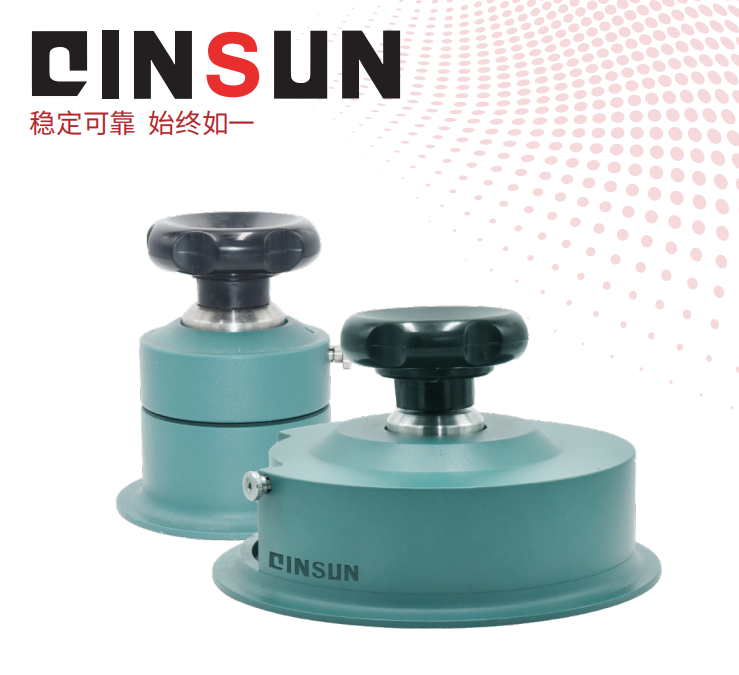
What is a Circular Sample Cutter Tester?
The Circular Sample Cutter Tester is a device that uses manual force to press a sharp blade vertically into a material, precisely cutting standard circular samples. Compared to temporary or scissor-based cutting methods, this tool produces uniform specimens with clean edges without damaging the material structure, providing a reliable foundation for subsequent physical property testing and standard analysis.
Typically, the device consists of a robust base, a rotating handwheel, a blade assembly, a safety lock mechanism, and a non-slip bottom pad. It operates mechanically without the need for electricity, and the sample area and cutting precision meet multiple international and industry standards. It is an essential sampling tool across textiles, packaging, paper, and related fields.
Importance of Sample Preparation
In material testing, sample consistency directly affects the accuracy and comparability of results. Test standards often specify the required shape, size, and thickness of samples—for example, fabric GSM (grams per square meter), paper thickness uniformity, and film permeability measurements all require samples of specific size and shape.
Inconsistent or damaged samples can lead to measurement errors, reducing data reliability and reproducibility. The Circular Sample Cutter Tester converts irregular materials into standardized specimens, ensuring experimental data is highly credible and repeatable.
Working Principle
The core principle of the Circular Sample Cutter Tester is to cut a material into a circular specimen of specified diameter using a sharp blade supported by a stable base. During operation, the material is placed on the device’s non-slip surface. The cutter is aligned with the target area, and the handwheel is slowly rotated, pressing the blade vertically into the material. The balance between rotational force and base resistance completes the cut.
The vertical contact ensures accurate cuts without slanting errors. Safety lock mechanisms prevent accidental blade exposure. The cutter accommodates different material thicknesses and hardness levels, including thick paperboard, composite textiles, and thin films.
Wide Range of Applications
Textile Industry:
Unit-area properties like GSM, fabric thickness, and tensile strength depend on standardized samples. Manual cutting is time-consuming and inconsistent. The Circular Sample Cutter Tester allows rapid extraction of uniform circular specimens, suitable for fiber content analysis, basis weight testing, and subsequent property measurements. Applicable to cotton, wool, synthetic fibers, knits, and coated fabrics.
Paper and Packaging Materials:
Testing thickness uniformity, compressive strength, and tensile properties of paper, cardboard, and corrugated sheets requires precise samples. Using the Circular Sample Cutter Tester minimizes errors during preparation, improving quality control efficiency. For instance, ISO 3801 or ASTM D3776 tests for unit-area weight require accurately cut circular specimens.
Research and Quality Control:
In research institutes, third-party labs, and university experiments, this cutter is fundamental for preparing standard specimens. Researchers studying new textiles, composites, or functional films can quickly produce large quantities of reproducible samples for mechanical or chemical property analysis.
Education and Training:
In material science or textile engineering courses, the cutter demonstrates standardized sample preparation procedures. It helps students understand testing standards, the importance of sampling, and correct laboratory practices, enhancing the quality of experimental instruction.
Applicable Standards
Standardized sample preparation is a core principle in laboratory testing. Circular Sample Cutter Testers meet multiple standards in textiles, paper, and packaging, including:
ISO 3801 — Standard method for determining fabric GSM.
ASTM D3776 — Standard test method for fabric mass per unit area.
GB/T 4669 — Chinese standard for textile physical property sampling.
International and regional standards in packaging also require uniform samples to ensure reliable material property measurements. These standards emphasize consistency in sample size and clean edges, which the Circular Sample Cutter Tester reliably provides.
Design Features and Advantages
Precise Cutting:
The device produces circular specimens of fixed size (e.g., 11.3 cm²) with precise blades and stable support, ensuring high repeatability regardless of material type.
Safety and Efficiency:
Safety locks keep the blade hidden when not in use, preventing accidental contact. Manual handwheel rotation allows controlled operation without electricity, eliminating electrical hazards. Non-slip pads improve sample positioning and reduce adjustment steps.
Portability and Durability:
Constructed from high-strength materials with high-carbon steel blades, the cutter is wear-resistant and long-lasting. Its lightweight design allows both lab use and on-site sampling. Blade replacement is simple and requires no special tools.
Material Compatibility:
The cutter handles materials up to several millimeters thick, including fabrics, composite textiles, paper, cardboard, and films, making it suitable for diverse testing scenarios without requiring multiple tools.
Operation Guidelines
Preparation:
Place the material flat on a stable surface, ensuring the non-slip pad contacts the table securely. This prevents movement during cutting.
Positioning:
Align the blade with the target area and center the specimen. Keep the material smooth and wrinkle-free.
Cutting:
Slowly rotate the handwheel downward until the blade fully penetrates the material. Maintain stable force to avoid irregular edges.
Sample Removal and Recording:
Carefully remove the specimen and label it according to the testing plan. Repeat for batch preparation.
Blade Maintenance:
Check blade sharpness regularly and replace it if cutting resistance increases or edges become uneven to ensure consistent specimen quality.
Role and Significance
Although a relatively simple manual tool, the Circular Sample Cutter Tester plays a vital role in experimental and quality control systems. Consistency and reproducibility of samples determine the reliability of results, especially in comparative studies of different batches or materials.
Standardized cutting eliminates variations caused by preparation methods, ensuring that results reflect the material properties rather than operator differences. This is critical for developing new textiles, optimizing packaging materials, and improving production processes.
The device is also a common tool for on-site quality inspections. QC personnel can sample materials directly from production lines, prepare specimens with the cutter, and send them for rapid analysis to detect abnormalities or process issues, preventing defective products from leaving the factory.
The Circular Sample Cutter Tester is a precision manual device for standardized circular specimen preparation. It features a simple structure, easy operation, high accuracy, and low maintenance requirements. It is indispensable in textiles, paper, packaging, scientific laboratories, and educational training. By providing consistent, high-quality specimens, it ensures reliable and comparable material testing results. Portable, durable, and compliant with international standards, it is an essential tool for laboratories, production sites, and research institutions performing material analysis and quality control.
Previous: What are three types of dry cleaning?
N e x t : How long can cigarette smoke be detected?
