





What are three types of dry cleaning?
2026/01/27
Share:

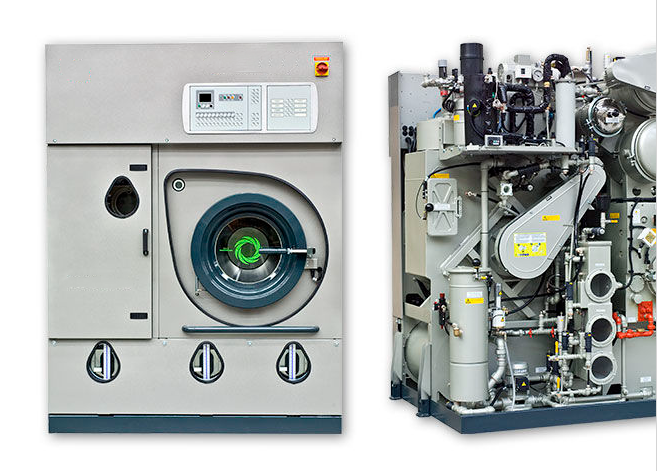
Dry cleaning methods available on the market differ significantly in terms of solvent type, process design, and environmental performance. In today’s industry, they are commonly classified into three main categories: traditional solvent dry cleaning, hydrocarbon solvent dry cleaning, and environmentally friendly alternative dry cleaning methods. These three approaches represent the evolution of garment cleaning technology—from early chemical solvent systems to more modern, environmentally conscious solutions. The following sections systematically introduce their principles, advantages, disadvantages, and suitable applications.
Traditional Solvent Dry Cleaning (Perchloroethylene Dry Cleaning)
Principle and Process
Traditional solvent dry cleaning, also known as perchloroethylene dry cleaning, is one of the oldest and most widely used methods in the industry. Its core lies in the use of an organic chemical solvent—perchloroethylene (PERC)—as the primary cleaning medium. During the process, garments are placed inside a sealed rotating drum of a dry-cleaning machine, where a controlled amount of PERC is introduced. Through mechanical agitation and solvent circulation, PERC penetrates deep into the fibers and dissolves oily contaminants. After cleaning, the solvent is filtered, evaporated, and recovered, and the garments are dried before being removed.
One of the main reasons this method has been used for decades is PERC’s excellent ability to dissolve grease and oil-based stains. It is particularly effective for stubborn contaminants such as heavy oil stains, butter, cosmetics, and industrial grime. In addition, it causes relatively little distortion or color change in fabrics and avoids fiber swelling, shrinkage, or deformation that can occur during water washing.
Advantages
Strong cleaning performance: Highly effective at removing oil-based and greasy stains, including stubborn contaminants.
Low fabric distortion: Perchloroethylene does not cause natural fibers to swell, helping garments retain their original size and shape.
Mature technology: This method has a long history and well-established equipment and processes.
Disadvantages
Environmental and health concerns: PERC is a volatile organic compound, and improper handling or emissions may pose risks to the environment and human health.
Strict recovery requirements: Solvent leakage or improper disposal can cause pollution, increasing regulatory pressure and operating costs.
Although traditional solvent dry cleaning delivers excellent cleaning results, environmental and health concerns have driven the industry to seek safer alternatives.
Hydrocarbon Solvent Dry Cleaning
Principle and Solvent Characteristics
Hydrocarbon solvent dry cleaning uses petroleum-based hydrocarbon solvents composed mainly of saturated hydrocarbons. Compared with perchloroethylene, these solvents are chemically milder and generally considered less toxic, making them more acceptable in settings with higher environmental requirements.
Because their chemical properties resemble refined petroleum products, hydrocarbon solvents are sometimes referred to as “petroleum dry cleaning” agents. They can effectively remove stains while being gentler on textile fibers.
Cleaning Performance and Applications
In general, hydrocarbon solvents provide good removal of oily stains, although their cleaning strength is usually slightly weaker than that of PERC. Heavily soiled garments may require longer processing times or additional stain-removal steps. However, hydrocarbon dry cleaning offers improved safety and reduced environmental impact, making it particularly suitable for environmentally conscious consumers and high-end garment care.
Advantages and Limitations
Advantages
Gentle on fabrics: Less likely to damage delicate or sensitive textiles.
Improved safety profile: Lower toxicity and reduced health risks compared with stronger solvents.
Milder odor: Garments typically retain less residual solvent smell after cleaning.
Limitations
Lower cleaning strength: Less effective on heavily soiled or deeply embedded oil stains.
Flammability: Hydrocarbon solvents are combustible, requiring strict fire-safety and operational controls.
Hydrocarbon dry cleaning is often regarded as a transitional technology between traditional solvent cleaning and modern eco-friendly approaches and remains widely used in many high-end and self-service dry-cleaning facilities.
Environmentally Friendly and Alternative Dry Cleaning Methods
With rising environmental awareness and stricter regulations, eco-friendly dry-cleaning technologies have become a key focus of industry development. These methods typically use safer media with significantly lower environmental impact than conventional organic solvents.
Main Types of Eco-Friendly Dry Cleaning
Liquid Carbon Dioxide (CO₂) Dry Cleaning
This method uses liquid carbon dioxide as the cleaning medium. Under high pressure, CO₂ becomes liquid and can effectively remove contaminants from fabrics. Liquid CO₂ is non-toxic, leaves no residue, is non-flammable, and does not damage textiles. It can be recycled through a closed compression system, making it highly energy-efficient and environmentally friendly.
Silicone-Based Dry Cleaning
Silicone dry cleaning employs liquid silicone solvents such as D5. These solvents pose relatively low risks to both the environment and human health and offer excellent compatibility with a wide range of fabrics. Silicone systems provide effective cleaning while preserving fabric softness and color, making them a promising eco-friendly alternative.
Professional Wet Cleaning (as a Dry-Cleaning Alternative)
Although not technically “dry” cleaning, professional wet cleaning is often discussed as an alternative solution. It uses carefully controlled water-based processes combined with specialized detergents and precise mechanical action to clean garments labeled for dry cleaning. This approach eliminates traditional solvent use, reduces VOC emissions, and effectively removes many types of stains.
Advantages and Challenges
Advantages
Significant reduction in hazardous chemical use and emissions.
Improved air quality in workplaces and surrounding environments.
Well suited for environmentally sensitive garment care and premium textiles.
Challenges
Higher initial equipment investment.
Greater technical requirements for operation and maintenance.
Limited effectiveness for certain extremely stubborn stains.
Eco-friendly dry-cleaning technologies reflect the industry’s growing commitment to sustainability, health, and environmental responsibility.
Comparison and Selection of the Three Dry Cleaning Methods
Choosing the appropriate dry-cleaning method depends on garment type, contamination level, and user priorities:
| Dry Cleaning Method | Cleaning Power | Fabric Impact | Environmental Performance | Cost |
|---|---|---|---|---|
| Traditional solvent (PERC) | High | Low–Medium | Low | Medium |
| Hydrocarbon solvent | Medium | Low | Medium | Medium |
| Eco-friendly alternatives (CO₂, silicone, wet cleaning) | Medium–High | Very Low | High | High |
Traditional solvent dry cleaning is suitable for heavily soiled garments and stubborn stains.
Hydrocarbon dry cleaning offers a safer and gentler mainstream alternative.
Eco-friendly methods are ideal for environmentally sensitive applications and high-value garment care.
Understanding these differences helps consumers select appropriate cleaning methods based on garment labels, fabric properties, and health or environmental considerations.
Common Misconceptions and Garment Care Tips
Although the term “dry cleaning” suggests a completely dry process, garments are actually immersed in liquid solvents during cleaning. The key distinction is that the liquid used is not water. After cleaning, the solvent is removed through evaporation and drying.
Reading garment care labels is also essential. Dry-cleaning symbols may indicate which solvents are permitted. For example, the letter “P” typically means perchloroethylene and hydrocarbon solvents are allowed, while “F” usually indicates hydrocarbon solvents are recommended.
As technology advances and environmental awareness increases, the dry-cleaning industry is undergoing significant transformation. From traditional perchloroethylene systems to hydrocarbon solvents and further toward liquid CO₂, silicone-based cleaning, and professional wet cleaning, these three major categories reflect different cleaning principles and value priorities. Understanding their mechanisms, advantages, and limitations not only helps consumers care for garments more effectively but also supports the industry’s shift toward safer and more sustainable practices.
Previous: What kind of machine can simulate the natural environment?
N e x t : Circular Sample Cutter Tester,ISO 3801
