





What is one way to minimize the risk of chemical permeation into protective clot
2026/02/09
Share:

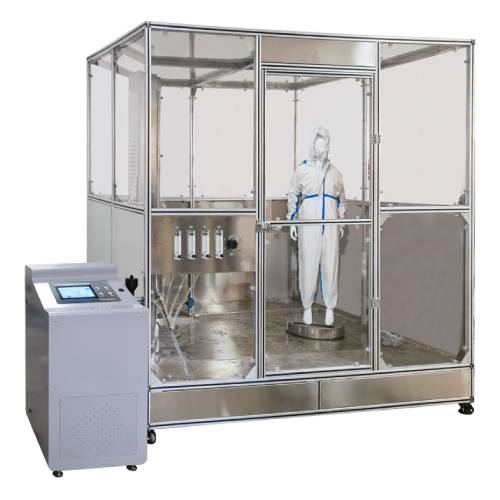
Chemical permeation refers to the process by which chemical molecules are adsorbed onto the surface of protective clothing, diffuse through the material, and are eventually released on the inner surface. This process is closely influenced by the material’s physical structure, chemical properties, testing conditions, and the environment in which the clothing is worn. To effectively reduce the risk of chemical permeation, measures must be implemented across multiple dimensions. This article provides a comprehensive discussion of such strategies, including guidelines on suit selection, risk assessment, environmental control, wearing practices, and monitoring and maintenance.
Understanding Chemical Permeation and Protective Clothing Principles
Before exploring ways to reduce permeation risk, it is essential to understand its mechanism. Chemical permeation is not caused by simple leaks or structural damage; it is a molecular-level diffusion process. Even if the material appears intact, molecules can still pass through. This process is typically divided into three stages:
Adsorption Stage
Chemicals first contact and adhere to the outer surface of the suit. Adsorption depends on the material’s affinity—hydrophilic or hydrophobic properties influence how different chemicals adhere and affect subsequent permeation rates.
Diffusion Stage
Chemical molecules enter the material and move inward via molecular diffusion. This stage is significantly influenced by the material’s chemical structure, porosity, and temperature conditions.
Desorption Stage
Upon reaching the inner surface of the material, molecules are released into the inner environment, potentially contacting the skin or being detected by monitoring devices.
Since permeation is a slow, continuous process, factors such as material thickness, chemical resistance, and wear duration directly affect the permeation rate and breakthrough time (BTT). Breakthrough time is defined as the time from chemical contact with the outer surface to the moment a specific permeation rate is reached.
Thus, reducing permeation risk requires not only high-performance barrier materials but also appropriate product selection, proper usage strategies, good wearing habits, and comprehensive workplace risk control.
Start with Source Risk Assessment
Before implementing protective measures, a thorough chemical risk assessment is fundamental.
Define Chemical Hazards
Identify the types of chemicals present, their physical state (liquid, gas, vapor), concentration, toxicity, and possible exposure routes. Different chemicals interact with materials differently, so it is essential to understand their properties and potential hazards.
Assess Exposure Conditions
Consider the operations performed, duration, potential spill scenarios, ambient temperature, and humidity. These factors influence permeation rates and the material’s response, guiding appropriate material and protection level selection.
Prioritize Engineering and Administrative Controls
Protective clothing is the last line of defense. Risk assessment should first explore hazard elimination, substitution with safer chemicals, improved ventilation, and closed systems to reduce exposure at the source, before relying on PPE.
Implementing a risk control hierarchy integrates permeation risk with other safety measures to form a comprehensive safety management system.
Selecting Protective Clothing Materials and Protection Levels
Choosing the right protective suit is one of the most critical steps in controlling chemical permeation.
Select Materials Based on Chemical Properties
Permeation varies with chemical type. Reference standardized permeation testing data (e.g., ASTM F739. EN ISO 6529) to determine the breakthrough time and permeation rate of specific materials. Choose materials that provide a breakthrough time significantly longer than the expected exposure duration.
Distinguish Permeation from Penetration
Permeation is molecular diffusion, while penetration occurs through physical holes or seams. High chemical resistance is required to reduce permeation, while seamless and tight construction is necessary to prevent penetration.
Understand Breakthrough Time Standards
Standardized breakthrough time is defined by the time required to reach a specific permeation rate threshold (e.g., 0.1 or 1.0 μg/cm²/min). Selection should focus on this standardized value, not just nominal material performance.
For example, one material may resist a chemical for several hours, while another only for tens of minutes, directly affecting safety. Material choice must therefore reference standardized breakthrough times.
Optimize Work Environment and Wearing Practices
Even with high-performance materials, extended wear, extreme conditions, or improper use can increase permeation risk.
Limit Wearing Duration
Permeation progresses over time; minimizing exposure duration reduces risk. If expected wear approaches the breakthrough time, work scheduling should be reassessed.
Implement Multi-Layer Protection
For highly toxic chemicals, a single layer may be insufficient. Multi-layer structures, protective liners, or additional barrier membranes can extend the permeation path and delay diffusion.
Control Environmental Factors
Higher temperature, humidity, and chemical concentration accelerate permeation. Where possible, improve ventilation, lower ambient temperature, and minimize surface contact.
Establish Proper Use Procedures and Training
Even superior materials can fail if used incorrectly. Establishing clear procedures and training systems is essential.
Correct Donning and Doffing
Ensure all connections (cuffs, neck, ankles) integrate seamlessly with other PPE such as gloves and boots. Remove suits carefully to avoid cross-contamination.
Regular Training and Emergency Drills
Training should include risk awareness, correct wearing techniques, and spill response procedures. Knowledge of permeation principles and chemical behavior improves real-world response.
Proper Maintenance and Inspection
Check suits for tears, cracks, or other defects before each use. Even high-resistance materials become vulnerable if physically damaged.
Monitoring and Maintenance: Continuous Safety Assurance
Reducing permeation risk is ongoing, requiring monitoring, maintenance, and optimization.
Environmental and Personal Monitoring
Regularly monitor chemical concentrations in the workplace. If exceeded, evacuate personnel and implement engineering controls. Detect any signs of internal permeation to evaluate suit performance and replacement timing.
Regular Performance Evaluation
Suit performance can degrade over time due to aging, cleaning, or contamination. Periodic testing of chemical resistance, especially for reusable suits, is essential, including maintenance logs and performance verification records.
Integrated Strategies and Case Insights
Advantages of Multi-Layer Protection
Combining layers or using composite membranes extends the permeation path and increases breakthrough time. High-performance composites with barrier and chemical-resistant outer layers show significantly improved resistance in practical tests.
Risk Assessment-Driven Material Selection
Different chemicals require different protection levels. Over- or under-protection can be avoided by selecting materials based on chemical type and hazard level.
Integrating PPE Components
Permeation may occur at openings or seams. Protective suits must be combined with gloves, boots, masks, and other PPE, with proper training to form a complete barrier.
Future Directions
Advances in material science and nanotechnology may lead to highly efficient chemical barrier materials, such as nano-membranes or smart responsive materials, which further delay or prevent chemical permeation. Smart sensor technology can also enable real-time monitoring of permeation, enhancing early warning capabilities.
Reducing chemical permeation risk is a systematic process involving multiple dimensions:
Comprehensive Risk Assessment: The foundation for protective strategies.
Material and Protection Level Selection: Extends breakthrough time significantly.
Optimized Wearing Practices and Environmental Control: Helps manage permeation rates.
Training and Monitoring Systems: Sustain protective effectiveness.
Reducing chemical permeation is not achievable through a single measure but through a coordinated approach combining multiple strategies. This framework provides practical guidance for safety management, PPE planning, and operational practices.
Previous: How to test abrasion resistance of fabric?
N e x t : Simulated Human Body Underwear Tester,FZ/T 70015-2022
