





What is Carpet Static Electricity Tester?
2026/02/13
Share:

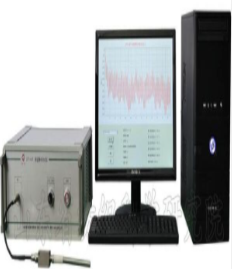
Carpets, as common flooring materials, can accumulate significant static charge when people walk across them due to friction between shoe soles and carpet fibers. This accumulated charge can cause electric shocks when touching metal objects and may pose risks to sensitive electronic equipment. Therefore, standardized testing methods are necessary to evaluate the static properties and performance of carpets.
What is a Carpet Static Electricity Tester
A carpet static electricity tester is a specialized device designed to evaluate the static behavior of carpet materials under use conditions. It simulates the static charges generated by walking or friction on the carpet and measures the resulting charges or voltage, allowing assessment of whether a carpet meets relevant standards and quality requirements.
These testers are generally designed in accordance with national or international standards, such as GB/T18044. BS ISO6356. and AATCC 134. ensuring the comparability and standardization of test results. Data obtained can help manufacturers, research institutions, quality control departments, and design engineers assess static behavior and implement improvements.
Why Test Carpet Static Properties
Everyday and Office Environments
Walking on carpets often generates static charges, which can produce sparks when touching metal objects, causing discomfort or surprise. This effect is more pronounced in dry or low-humidity environments.
Impact on Sensitive Electronics
In industrial production, data centers, laboratories, or cleanrooms, static discharge can lead to device malfunctions, damage, or performance degradation. Static testing helps evaluate whether carpets generate excessive voltage under these conditions and informs strategies to control static charge.
Compliance with Safety Standards
Industry standards specify testing methods and evaluation criteria for carpet static properties. For example, BS ISO6356 defines methods to simulate human walking, while GB/T18044 provides domestic standard protocols. Testing with a static electricity tester ensures compliance and product quality.
Mechanism of Carpet Static Generation*
When a person or object contacts and rubs the carpet surface, the triboelectric effect occurs, where electrons transfer between different materials upon contact and separation. This generates static charge on the human body or carpet surface.
Factors affecting static accumulation include carpet fiber material, ambient humidity, shoe sole material, and frequency of use. Synthetic fibers like nylon and polyester tend to accumulate more static, while higher humidity promotes charge dissipation.
Working Principle of a Carpet Static Electricity Tester
Simulating Human Walking
Testers replicate walking with a standard-weight object wearing a specified shoe sole across the carpet. The friction generates static charge, and the tester’s precise sensors record voltage changes to reflect carpet static behavior.
Measuring Electrostatic Potential or Voltage
Testers use high-impedance voltmeters, handheld probes, and isolation systems to measure potential difference between the human body or simulated object and ground, typically in kilovolts (kV).
Controlled Environmental Conditions
Tests are performed under controlled temperature and humidity to ensure accuracy and comparability, since ambient humidity significantly influences static accumulation.
Key Parameters Measured
Walking Static Voltage: Peak or instantaneous voltage generated when walking on the carpet.
Static Propensity: Measures the tendency of the carpet to generate high potential after friction.
Environmental Humidity: Tests are conducted at specific relative humidity levels, as lower humidity increases static accumulation.
Surface and Volume Resistivity: Measures the resistance to charge flow on or within the carpet, reflecting its ability to dissipate static.
Standard Testing Methods
Simulated Human Walking Tests (AATCC 134 / GB/T18044):
These simulate real human walking, measuring potential differences between the human or simulated object and ground. The tests standardize walking speed, shoe sole, and environment for reproducibility.
Instrumentation-based Testing:
Used in specialized industries (e.g., aerospace) to evaluate static characteristics of flooring under operational conditions.
Surface and Volume Resistivity Tests:
Assess the material’s resistance to charge flow, providing indirect information on static dissipation properties.
Practical Applications
Product Quality Control:
Manufacturers use testers to verify each batch of carpet meets static performance standards, especially in offices, hospitals, and airports.
Electronic Equipment Safety:
Carpets with controlled static performance reduce discharge events, protecting sensitive electronic components.
Safety Assessment:
Data from static testers guide static control strategies in cleanrooms, laboratories, and medical facilities.
Scientific Research:
Researchers study the influence of fiber types, carpet structure, and surface treatment on static behavior, supporting the development of lower-risk products.
Interpreting Test Results
Higher static voltage peaks indicate a material is more prone to charge accumulation, potentially causing stronger static reactions. Different applications have specific pass/fail thresholds.
Lower surface or volume resistivity indicates better static dissipation, reducing accumulation risk.
Experimental Environment and Considerations
Tests are performed in controlled temperature and humidity labs to minimize environmental effects. Standardized shoe soles, carpet sizes, and step parameters are used to ensure reproducibility and comparability of results.
Carpet static electricity testers evaluate the static performance of carpets by simulating human walking or friction, measuring electrostatic voltage and potential differences. These tests are essential for assessing product quality, safety, and protection of electronic equipment. Testing can be conducted according to international or domestic standards such as AATCC 134. GB/T18044. and BS ISO6356. Standardized methods and controlled environments allow results to be applied in product development, quality assurance, purchasing evaluation, and safety compliance. Understanding carpet static properties benefits both manufacturers in improving products and consumers in selecting safer, more comfortable carpets, especially in static-sensitive environments.
Previous: How to test for an oxidizing agent?
N e x t : Mask Particle Filtration Efficiency (PFE) Tester,EN 143
