





What does BS 5852 mean?
2026/03/18
Share:

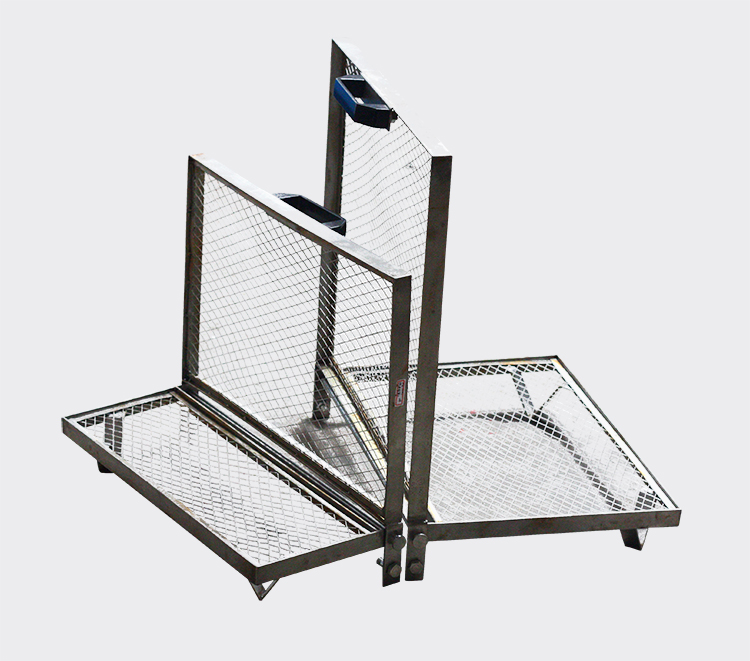
Key Components and Functions of the BS 5852 Combustion Tester
Combustion Chamber: A sealed space where material samples are placed for testing. These samples are typically small pieces taken from furniture, bedding, or other interior decoration materials.
Ignition Source: The tester is equipped with an ignition device, typically an open flame or flame-equivalent source, to ignite the test material.
Burn Duration Measurement: The instrument records the burning time of the material, which determines the combustion rate and extent of burning.
Temperature and Smoke Monitoring: The tester can monitor temperature and smoke produced during combustion, which are critical parameters for evaluating material fire performance.
Result Recording and Analysis: Test results are documented and analyzed according to the standard. Materials that meet the combustion performance criteria are deemed safe for use in furniture or interior decoration.
BS 5852 testing ensures that materials comply with safety regulations in the UK and other international markets, helping reduce fire risks and improve safety during fire events, making it essential for interior safety.
Operation Guidelines for the BS 5852 Combustion Tester
The BS 5852 Combustion Tester is designed to assess the flame retardancy of upholstered furniture materials (e.g., sofas, chairs) under simulated real fire conditions, strictly following the UK BS 5852 standard. By simulating various ignition sources, it provides a scientific and objective evaluation of materials’ fire-retardant properties. The basic operation steps are as follows:
Prepare Test Samples
Cover the fabric sample on the specified standard non-flame-retardant foam to assemble the complete test rig.
Choose the rig dimensions according to the standard version: the 1982 version typically uses 450mm × 450mm × 150mm, while the 1979 version uses 300mm × 300mm × 150mm, ensuring uniform and comparable test conditions.
Equipment Preheating and System Calibration
Connect the device to a standard power supply (usually 220V AC).
Adjust the gas supply system to precisely control pressure and flow, ensuring the ignition source (e.g., butane torch or cigarette simulator) produces a flame with the size, duration, and stability required by BS 5852. Accurate calibration is essential for reliable results.
Select the Appropriate Standard Ignition Source
Source 0 (Cigarette): Simulates smoldering, testing hidden upholstery layers or internal fillings without an open flame.
Source 1 (Butane Flame): Produces a stable flame approximately 35mm high, burning for 20 seconds, evaluating visible upholstery fabric’s resistance to small open flames.
Source 5 (Crib 5 Standard Wood Frame): Uses a 17-gram standard wood crib ignited to simulate a match or small accidental flame (e.g., lighter), imposing a more stringent test of fire-retardant performance.
Conduct Standard Testing
Apply the selected ignition source at the precise location specified in the standard and start the timer.
Observe and record sample combustion behavior, such as whether flames self-extinguish after removal of the source, whether smoldering continues, and whether the damaged length or area exceeds the allowable limit (e.g., 50%).
Determine Test Results According to the Standard
Flame must self-extinguish within 120 seconds after removal of the ignition source.
Materials must not sustain smoldering, or any smoldering must stop completely within 2 minutes.
After Source 5 testing, the damaged surface area must not exceed 50% of the total area, and flames must not penetrate the underlying foam support.
End of Test and Equipment Reset
After all tests, press the reset button, then sequentially turn off the gas supply and main power for safety.
Clean the test area to prepare for the next test.
Key Notes and Applicability
Sample Pre-treatment: Some fabrics must be soaked in 40°C water for 30 minutes before testing to simulate flame retardancy after routine cleaning, then dried and conditioned in a standard environment.
Applicability: This tester is primarily suitable for evaluating upholstery fabric coverings and internal fillings such as polyurethane foam or latex foam. It is not intended for testing sheets, carpets, or standalone fillers.
Industry Value and Future Development of the BS 5852 Combustion Tester
The BS 5852 standard has become a cornerstone of furniture safety regulations in the UK, and its influence extends far beyond the UK, affecting global trade. Many countries and regions refer to this standard when formulating their own safety regulations.
Industry Value
Protection of Life and Property: Since the implementation of BS 5852 over 30 years ago, its stringent fire safety requirements have significantly improved the flame-retardant performance of UK furniture. Data shows that during this period, fire-related deaths caused by furniture decreased by 76%, demonstrating the standard’s critical role in fire prevention and the protection of human life and property.
Establishing Trade Entry Barriers: BS 5852 serves as an important technical threshold for the UK market. All upholstered furniture sold in the UK must pass BS 5852 certification testing; otherwise, products may be destroyed or subject to substantial fines. Furthermore, major e-commerce platforms such as Amazon have announced that starting in 2025. products must carry the UKCA mark and certification, further strengthening compliance requirements for market access.
Driving Material and Process Innovation: To meet BS 5852’s rigorous testing requirements, furniture manufacturers are compelled to innovate. This includes using more effective flame retardants and optimizing product design—such as improving seam construction and handling of fillings—thereby enhancing product safety and durability, while promoting technological progress across the industry.
Supporting the Testing and Certification Industry: The implementation of BS 5852 has fostered a professional testing and certification ecosystem. It has directly stimulated the research, development, and manufacturing of high-performance, high-precision combustion testers and generated sustained demand for services from internationally recognized third-party testing organizations such as SGS and Intertek, forming a complete industry chain around safety compliance.
Future Development
Increasing Regulatory Stringency and Updates: The regulatory environment is expected to become more stringent. The UK plans to revise BS 5852 in 2025. potentially incorporating limits on flame retardant toxicity. Additionally, the EU’s newly published EN 1021-1:2024 standard introduces smoke density testing requirements. These international developments may prompt further updates to BS 5852 to maintain its relevance and alignment with global standards.
Addressing Smart Furniture and New Materials Challenges: With the rise of smart home products, electric sofas, integrated heating elements, and other electronic components introduce new fire risks, requiring integrated assessment alongside standards such as IEC 60335 for electrical safety. Moreover, emerging materials such as graphene may be incompatible with traditional flame retardant systems, necessitating industry investment in the development of new flame retardant solutions compatible with advanced materials.
Intelligent Evolution of Testing Technology: Combustion testing instruments are trending toward automation and digitalization. Future equipment will likely integrate real-time monitoring systems that automatically capture and analyze key parameters such as temperature variation, smoke concentration, and burn duration, thereby improving test accuracy, efficiency, and traceability.
Enhanced Supply Chain Compliance Requirements: In response to increasingly complex regulations and platform requirements, companies must establish more robust supply chain compliance systems. This includes developing reliable alternative material databases, mandating that raw material suppliers provide detailed SDS (Safety Data Sheets) and agree to annual inspections. Furthermore, to meet e-commerce platform requirements—such as Amazon’s mandate for batch-specific Certificates of Analysis (COA) and clear product labeling—companies must strengthen internal quality control and documentation management.
The BS 5852 Combustion Tester is not only a critical compliance testing tool but also a symbol of safety credibility. Its value will continue to grow with stricter global regulations, ongoing technological innovation, and rising compliance requirements in international trade. In the context of smart home development and eco-friendly flame retardants, testing equipment and industry standards are evolving toward stricter, more intelligent, and environmentally sustainable applications.
Previous: What is evaluation of textile materials?
N e x t : What is the dry rate test for fabric?
