





What is a building material smoke density testing machine?
2026/03/23
Share:

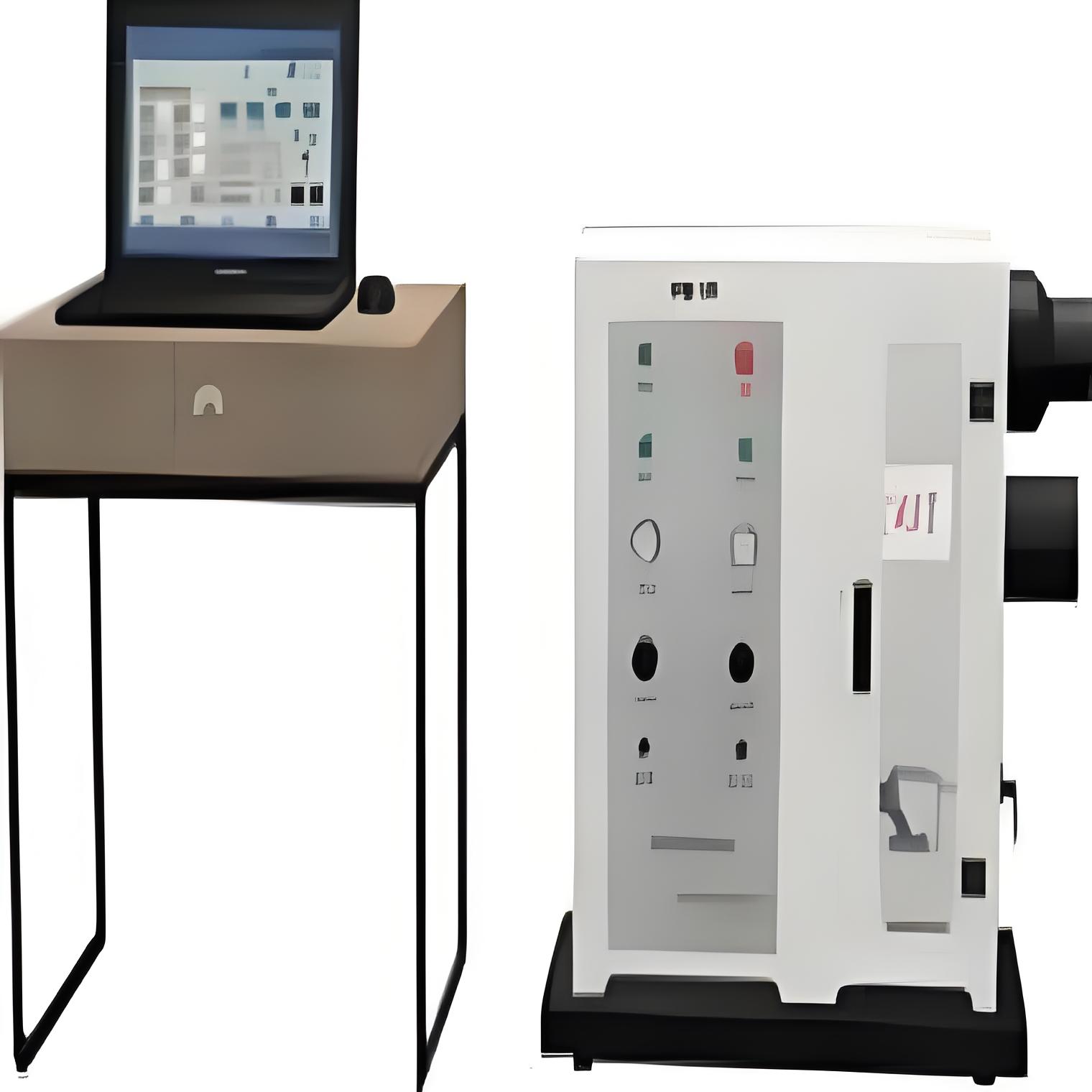
The Building Material Smoke Density Testing Machine is designed to measure the static smoke density produced by building materials under combustion or decomposition test conditions. Smoke density is evaluated by monitoring the reduction in light flux within the test chamber, allowing observation of flames, smoke, and other phenomena during testing. This machine is primarily used for determining the static smoke generation of building materials and products, and it is also suitable for testing other materials, such as automotive interior components.
Working Principle
The machine operates by directly exposing a sample to a flame and measuring the degree to which smoke generated by the burning material obstructs light (i.e., light flux loss) to determine the smoke density rating. This principle ensures accurate and reliable test results. The test workflow is as follows:
Ignite the Sample: A standard flame source (commonly a Bunsen burner) is applied directly to the sample.
Smoke Generation: The material burns or decomposes, producing smoke particles that fill the test chamber.
Light Beam Transmission Through Smoke: A stable light beam (typically infrared) passes through the smoke-filled environment.
Photoelectric Detection: A photoelectric sensor detects changes in light intensity transmitted through the smoke layer.
Smoke Density Calculation: The smoke density rating is determined based on the rate of light flux loss.
Structure and Components
The Building Material Smoke Density Testing Machine is an essential device for assessing the combustion performance of construction materials, consisting of the following key components:
Sample Frame: Supports the test specimen, typically made of metal, with size and shape determined by testing requirements.
Combustion Chamber: Equipped with a burner to generate flames and heat the sample, generally made of high-temperature-resistant materials.
Optical System: Includes a light source and photoelectric cell for measuring transmitted light through the sample. The light source is often infrared, and the photoelectric cell captures the sample’s light transmission rate.
Control System: Manages the test process, including ignition, timing, and data recording, typically consisting of a microprocessor and electronic components.
Exhaust Channel: Directs smoke generated during combustion outside the chamber to prevent indoor air contamination.
Operating Procedure
To ensure data accuracy, repeatability, and operational safety, the machine must be operated according to standardized procedures:
Instrument Calibration: Perform a full calibration before each test to ensure reliable results.
Optical System Calibration: Power on the device to stabilize the light source. Check the photoelectric system’s zero and full-scale values. Adjust light transmission to 100% in a smoke-free state. Use standard filters for verification if necessary.
Time System Calibration: Verify that timers are accurate and that the data acquisition system is properly synchronized.
Combustion System Check: Ensure the ignition system is sensitive and the burner is positioned according to standards. Record calibration data for traceability.
Gas Flow Check: The stability of the gas system directly affects flame intensity and test repeatability. Inspect gas lines for leaks, confirm source pressure meets requirements, adjust the regulator to standard flow, and ensure flame stability and correct color (typically a stable blue flame). Address any anomalies before testing.
Preheating Stage: Ignite the Bunsen burner and adjust flame height according to standard specifications. Allow the system to run without a sample until the combustion chamber temperature stabilizes. Monitor the optical system for stable readings. Preheating duration follows the manufacturer’s instructions.
Sample Placement: Prepare the sample to standard dimensions. Place it horizontally on the designated support, ensuring stability. Align the flame tip to the center of the sample’s bottom surface and ensure no interference with the optical path. Verify the chamber door is properly sealed.
Formal Testing: Close exhaust fans and chamber doors to create a sealed environment. Start the timer and data acquisition system. Observe flame and smoke generation, monitor light transmission changes in real time, and complete the test within the standard-specified duration. Do not open doors or touch equipment during the test.
Data Collection and Reporting: After the test, organize data immediately. Record maximum smoke density, save light transmission curves, note any anomalies (e.g., flashover, dripping, abnormal flames), and complete a test report including sample ID, environmental conditions, and test time. All data must be complete, accurate, and traceable.
Precautions
Standards Compliance: Ensure the selected machine meets relevant standards and requirements.
Operating Procedures: Follow standard operating procedures to ensure accuracy and reliability.
Operator Qualifications: Personnel must be professionally trained and qualified, familiar with equipment performance and safety rules to avoid accidents or compromised data.
Environmental Control: Maintain a clean, dry test environment with controlled temperature and humidity to prevent external factors from affecting results.
Safety Measures: Operators must wear safety goggles, heat-resistant gloves, and other protective equipment. Ensure proper ventilation to remove combustion gases.
Emergency Procedures: Prepare for equipment malfunctions, abnormal flames, or other emergencies, with fire-fighting equipment readily available.
Data Recording: Accurately document key parameters, anomalies, and results for traceability and analysis.
Storage and Management: After testing, store the machine in a dry, ventilated area, avoid corrosive substances, and provide proper sealing for long-term inactivity to prevent corrosion or damage.
Routine Maintenance
Clean Combustion Chamber: After each test, remove residual ash, char, and unburned materials using a soft brush or dedicated vacuum device. Avoid using highly corrosive cleaning agents.
Clean Optical System: Maintain clean lenses, light source windows, and photoelectric sensors using dust-free cloth or lens paper with anhydrous ethanol. Avoid direct hand contact.
Check Seals: Inspect door gaskets for aging, deformation, or damage. Replace if necessary to prevent smoke leakage.
Exhaust System Check: Ensure exhaust ducts are unobstructed. Verify fan operation for normal noise and vibration levels.
In summary, the Building Material Smoke Density Testing Machine is a critical device for evaluating the fire safety performance of construction materials. Its accuracy and reliability are essential for ensuring building safety. Strict adherence to operational procedures and maintenance guidelines is necessary to ensure normal equipment operation and valid test results.
Previous: How to Operate the Impact Abrasion Resistance Tester?
N e x t : What is a flame spread?
