





FAQs About Hydraulic Oil Filtration and Dehydration Unit
2026/04/03
Share:

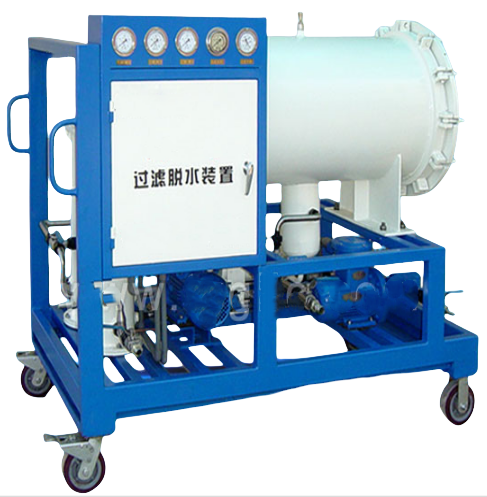
What is a Dehydration Unit?
A Dehydration Unit (also known as a Gas Dehydration Unit, GDU) is a specialized system used in the oil and natural gas industry. Its primary purpose is to remove water vapor from natural gas, ensuring that the gas meets pipeline quality standards while preventing equipment corrosion or the formation of methane hydrates.
These units typically employ liquid desiccants, such as triethylene glycol (TEG), or solid desiccants (passive systems) to absorb water, thereby protecting equipment and ensuring the safe transport of natural gas.
What is the purpose of a Hydraulic Oil Filtration and Dehydration Unit?
The Hydraulic Oil Filtration and Dehydration Unit is an industrial device designed to purify hydraulic oil. Its core function is to remove water, particulate contaminants, gases, and other impurities from the oil, thereby restoring or maintaining its cleanliness and performance to ensure the efficient and safe operation of hydraulic systems. Its main applications include:
Water Removal:
Removes free water, emulsified water, and even partially dissolved water to prevent oil emulsification, oxidation, and additive degradation.
Particulate Contaminant Filtration:
Filters out metal particles, dust, welding residues, and seal fragments to protect precision components such as pumps, valves, and cylinders from wear and damage.
Gas and Volatile Substance Removal:
Eliminates air, dissolved gases, and trace volatile contaminants (e.g., alcohol, gasoline) to enhance oil stability and improve system response.
Restoration of Oil Performance:
Through multi-stage filtration and vacuum/coalescing dehydration technology, the unit restores key oil properties such as viscosity, flash point, and cleanliness to operational standards.
Support for Oil Regeneration and Recycling:
Reduces the consumption of new oil and the discharge of waste oil, lowering operational costs while meeting environmental and sustainability requirements.
What industries are suitable for the Hydraulic Oil Filtration and Dehydration Unit?
The Hydraulic Oil Filtration and Dehydration Unit is a specialized device designed to remove water and particulate contaminants from hydraulic oil. It has a wide range of applications, primarily covering the following industries and scenarios:
Energy Industry:
Used in wind power, conventional thermal, and nuclear power plants to treat hydraulic and lubricating oils in critical components such as turbines, gearboxes, and braking systems, ensuring oil cleanliness and controlled water content.
Metallurgy and Mining:
Applied to hydraulic systems of heavy-duty equipment such as rolling mills, excavators, and mining trucks to prevent oil contamination that could cause wear or equipment failure.
Transportation:
Suitable for hydraulic and lubrication systems in ships, locomotives, and large vehicles, ensuring operational safety and extending system service life.
Manufacturing Industry:
Used for hydraulic oil regeneration in industrial machinery such as injection molding machines, stamping presses, and CNC machines to maintain oil performance and equipment precision.
Petrochemical and Power Industries:
Employed for dehydration and fine filtration of lubricating oils in transformers, compressors, and turbines to enhance insulation performance and operational reliability.
This type of equipment typically features combined filtration and dehydration functions, effectively removing mechanical impurities, metallic particles, gums, and free/emulsified water. It can achieve oil cleanliness levels compliant with standards such as ISO 4406 or NAS 1638. making it suitable for industrial scenarios that require high-precision control of oil cleanliness and water content.
How is the Hydraulic Oil Filtration and Dehydration Unit used?
The Hydraulic Oil Filtration and Dehydration Unit is a key piece of equipment specifically designed to efficiently remove water and various mechanical impurities from hydraulic oil. By deeply purifying the oil, this unit not only significantly extends the service life of hydraulic fluids but also comprehensively protects precision components within the hydraulic system, preventing wear and failure caused by contamination and ensuring stable and reliable system operation.
Detailed Basic Operating Steps
1. System Preparation
Ensure the hydraulic system is completely shut down and all relevant inlet and outlet valves are closed to isolate the oil circuit to be treated.
Conduct a thorough inspection of the filtration and dehydration unit: confirm that the power supply is securely connected (for electrically driven or high-pressure models) and check all oil pipelines and joints to ensure there are no loose connections.
2. Connect the Circulating Oil Circuit
Connect the inlet port of the unit securely to the hydraulic system’s return line or designated oil drain port using dedicated hoses or pipelines.
Connect the outlet port reliably to the system’s fill port or clean oil injection point to form a complete closed-loop purification circuit.
Ensure all quick connectors or flange connections are properly sealed to prevent oil leaks or air ingress into the system.
3. Start the Unit
For electrically driven or automated models, verify wiring correctness before turning on the power switch to start the unit.
For manually operated pump models, initiate oil circulation by operating the pump handle.
After startup, carefully set and adjust the appropriate flow rate and system pressure according to the hydraulic system’s actual operating conditions and the technical parameters provided in the unit’s nameplate or user manual.
4. Circulation Filtration and Dehydration Process
During operation, hydraulic oil is pumped into the unit and passes sequentially through a multi-stage composite filtration system consisting of a coarse filter, high-efficiency fine filter, and specialized water-absorbing filter element.
This process gradually removes solid particulate contaminants of different sizes and absorbs or separates dissolved or free water.
Some advanced units are equipped with vacuum dehydration modules or polymer membrane separation technology to further reduce water content to extremely low levels, achieving deep dehydration.
5. Monitoring Operation and Ending the Process
Operators should continuously monitor the unit’s differential pressure gauge or online oil cleanliness indicator.
When the differential pressure exceeds the preset limit due to filter contamination, or when the oil cleanliness reaches the target standard (e.g., ISO 4406), the purification process is considered complete.
At this point, first turn off the unit’s power or stop manual pump operation, carefully disconnect all oil circuit connections in reverse order, and finally restore the hydraulic system to its original configuration.
Important Precautions
System Parameter Matching:
The unit’s rated flow and maximum allowable pressure must match the actual parameters of the hydraulic system. Never exceed these limits to avoid damage to seals, sensors, or other precision components.
Regular Filter Replacement:
Establish and follow a strict maintenance schedule based on actual usage frequency and oil contamination level. Replace saturated or clogged filter and dehydration elements promptly to maintain efficient purification performance.
Oil Compatibility Verification:
Some specialized filtration and dehydration units are optimized for specific high-viscosity hydraulic oils (e.g., ISO VG 46 anti-wear hydraulic oil). Verify chemical compatibility and viscosity suitability before use.
Operational Safety:
Operators must wear protective gloves, safety goggles, and other personal protective equipment throughout the operation to prevent risks such as hot oil splashes, contact burns, or other hazards.
How Often Should Hydraulic Oil Filter Elements Be Replaced?
Under normal conditions, hydraulic oil filter elements should be replaced every 225 to 500 operating hours, or at least once a year. The exact replacement interval should be determined according to the equipment manufacturer’s recommendations and the actual operating conditions.
For new equipment, it is generally recommended to replace the filter element after the first 50 to 250 operating hours to remove contaminants generated during the break-in period. Subsequent replacements can then follow the regular maintenance schedule.
Why is a Hydraulic Oil Filtration and Dehydration Unit Important?
The Hydraulic Oil Filtration and Dehydration Unit is essential because it effectively removes water and solid contaminants from hydraulic oil, ensuring system reliability, extending equipment lifespan, and reducing operational costs.
Core Functions and Benefits
Prevent System Failures:
Approximately 80% of hydraulic system failures are caused by oil contamination, including particles, water, and gases.
Filtration and dehydration units can reduce water content to below 100 ppm and remove over 99.9% of solid impurities, significantly decreasing the risk of component wear, cavitation, and corrosion.
Extend Oil and Equipment Lifespan:
Through deep dehydration and precision filtration (e.g., achieving NAS 6–8 cleanliness levels), hydraulic oil life can be extended by 1–2 times, while unplanned downtime of pumps, valves, and cylinders is minimized.
Improve Energy Efficiency and Safety:
Water-contaminated oil can form ice crystals at low temperatures, blocking flow paths, or cause cavitation and delayed response at high temperatures.
Dehydrated oil ensures more stable system response and safer operation.
Support Sustainable Operations:
Regeneration treatment can recover over 90% of waste oil, reducing new oil procurement costs by up to 70% and minimizing hazardous waste generation.
Technical Advantages
High-Efficiency Dehydration:
Utilizes coalescing separation, vacuum flash, or oleophobic/hydrophobic membrane technologies (e.g., ZnO/TiO₂@STA mesh filter elements) to achieve deep dehydration with low energy consumption.
Multi-Stage Filtration:
Combines pre-filtration, fine filtration (down to 1–3 µm), and magnetic adsorption to comprehensively remove metallic particles, gums, and sludge.
Intelligent Control:
Modern units feature PLC automated control, oil level monitoring, and filter clogging alarms, enabling unattended operation.
In conclusion, Hydraulic Oil Filtration and Dehydration Units play a central role in maintaining long-term stable operation and significantly extending equipment service life. They are a key technological support for transitioning industrial oil management toward closed-loop, precision control systems.These units not only reduce production costs and enhance overall energy efficiency but also promote resource conservation and environmental protection, serving as an essential technology for achieving green and sustainable development goals.For more detailed information or consultation, please feel free to contact us.
Previous: FAQs About Fuel Water Separator Test Bench
N e x t : What is a hydraulic oil purification and filtration tester?
