





FAQs About Fuel Water Separator Test Bench
2026/04/02
Share:

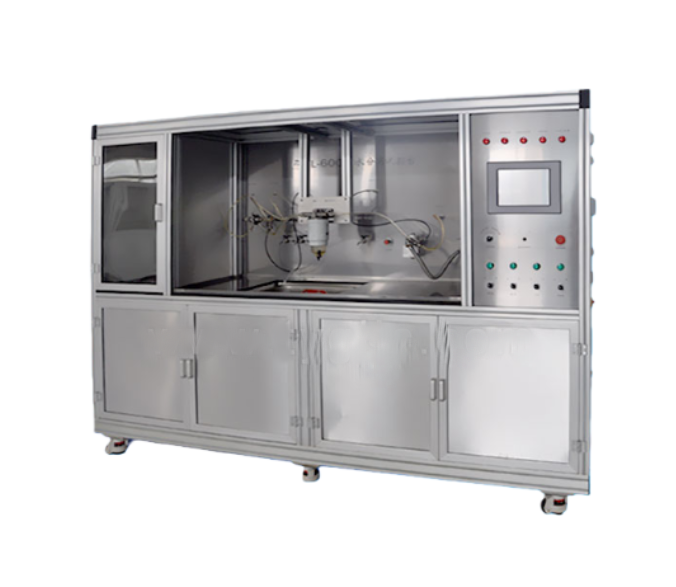
What is the purpose of the Fuel Water Separator Test Bench?
The Fuel Water Separator Test Bench is a specialized device designed to test, evaluate, and verify the performance of fuel water separators. Its core purpose is to ensure that fuel water separators can efficiently and reliably remove water and impurities from fuel in real-world applications, thereby protecting critical components such as engines.
According to publicly available information, the main applications of this type of test bench include:
1. Verifying Separation Efficiency:
The equipment tests the ability of the separator to remove water from fuel, typically requiring a water separation efficiency of over 95% (as per automotive standards).
2. Evaluating Operational Stability:
Tests whether the separator can operate consistently and stably under varying flow rates, pressures, and temperatures.
3. Assessing Corrosion Resistance and Sealing Performance:
Ensures that materials and structures maintain integrity after long-term exposure to fuel and trace amounts of water, preventing leaks.
4. Measuring Discharge Water Quality:
Confirms that the residual water content in treated fuel meets environmental or industry standards (e.g., free water content below 15–50 ppm).
5. Supporting R&D and Quality Control:
Provides data support for the production, certification (e.g., ISO/TS16949. API 1581), and quality assurance of fuel water separators.
Which standards is the Fuel Water Separator Test Bench applicable to?
The Fuel Water Separator Test Bench is mainly used to evaluate the oil-water separation performance of diesel engine fuel filters. The relevant standards it complies with include:
1. ISO 16332:
"Road vehicles — Diesel fuel filters — Determination of water separation efficiency." This authoritative international standard, issued by ISO, is widely used to test the oil-water separation capability of fuel filters under simulated operating conditions.
2. SAE J1488:
A fuel filter performance testing standard established by the Society of Automotive Engineers (SAE), covering key indicators such as oil-water separation efficiency.
3. SAE J1839:
Also issued by SAE, this standard is used for comprehensive performance evaluation of diesel fuel filters, including oil-water separation characteristics.
4. ISO 4020:
"Road vehicles — Diesel engine fuel filters — Part 1: Test methods." This standard is used to assess the cleanliness and overall performance of fuel filters.
These standards collectively provide the design, operational, and validation basis for the fuel water separator test bench, ensuring the accuracy, repeatability, and industry-wide applicability of test results.
How to Use the Fuel Water Separator Test Bench?
Steps for Operation
1. Install the Sample
Mount the fuel water separator to be tested (e.g., models FS1098. BF1399-SP) onto the dedicated interface of the test bench. Ensure that all fuel line connections are sealed and leak-free.
2. Pre-Fill and Vent the System
Fill the system with standard diesel fuel (usually containing 500–1000 ppm water).
Open the vent valve to remove air from the lines, preventing air pockets from affecting the test results.
3. Set Test Parameters
Configure the following parameters according to the product specifications or industry standards (e.g., API/IP 1581):
Fuel Pressure: 350–500 PSI (2.4–3.4 bar)
Flow Rate: Simulate actual operating conditions (e.g., 10–50 L/h)
Water Content: Add emulsified water or free water as required by the standard
4. Start Operation and Monitor
Run the test bench and observe:
Water Separation Effectiveness: Check the water volume and clarity in the bottom collection chamber.
Pressure Drop: Record the pressure difference between inlet and outlet to evaluate filter clogging.
Leakage: Inspect all seals and connections for leaks.
5. Data Recording and Evaluation
Record key metrics such as separation efficiency, pressure drop, and flow stability. Compare the results with the product specifications to determine compliance.
Precautions
Safety Protection: Diesel fuel is flammable; conduct tests in a well-ventilated area free of open flames.
Equipment Calibration: Regularly calibrate pressure gauges, flow meters, and other sensors to ensure data accuracy.
How to Maintain the Fuel Water Separator Test Bench?
1. Daily Maintenance (After Each Use or Daily)
Drain Collected Water:
After testing, open the drain valve to remove the separated water. This prevents excessive water levels from affecting subsequent test accuracy or causing internal corrosion.
Fuel Refill:
If fuel runs out during testing or a filter element needs replacement, refill the system immediately after draining to ensure the fuel pump is fully primed, avoiding damage from dry running.
Check for Leaks:
Visually inspect all pipelines, joints, flanges, and seals for fuel or water leaks, especially under pressurized conditions.
Clean the Exterior:
Wipe the equipment surface with a soft cloth to remove oil stains and dust. Keeping the machine clean helps identify abnormalities early.
2. Periodic Maintenance (According to Schedule)
Filter Replacement:
Replace the filter when it becomes discolored, clogged, or shows a significant pressure drop. Remove the old filter (usually by loosening screws) and install a new one.
Pressure System Calibration:
The test bench usually operates at a standard pressure (e.g., 0.3–0.4 MPa). Periodically calibrate pressure gauges and adjust valves to ensure accurate readings. To adjust pressure: lift the handle, listen for a click, then turn clockwise to increase pressure.
Internal Cleaning:
Every 15 days, or when handling large volumes, flush the separation chamber and pipelines with clean water to remove residual sludge and impurities. Do not use strong acids or bases, as these may damage internal walls or seals.
Electrical System Check:
Regularly inspect insulation, sensors, and alarms to ensure proper operation. Always disconnect power before performing maintenance to ensure safety.
Lubrication and Moving Parts Care:
For devices with fuel pumps, motors, or other moving components, follow the manual to periodically replace lubricating oil or grease. Check fans, agitators, and other moving parts for smooth operation and abnormal noises.
Which industries is the Fuel Water Separator Test Bench suitable for?
The Fuel Water Separator Test Bench is a specialized device used to evaluate the water separation performance of fuels. It is primarily applied in industries where high fuel purity and engine reliability are critical. Its main application industries include:
1. Marine and Offshore Engineering
Used to test the water separation performance of marine diesel engine fuel, preventing engine failures or marine pollution caused by fuel-water mixtures. Testing complies with relevant International Maritime Organization (IMO) standards.
2. Transportation (especially commercial vehicles and heavy-duty trucks)
Used to verify the efficiency of diesel fuel water separators, protecting high-pressure common rail injection systems from water-induced corrosion and blockage. Applicable for trucks, buses, and construction machinery powered by diesel engines.
3. Aviation Fuel Quality Control
Jet fuels (e.g., Jet A, Jet A-1) are highly sensitive to water content. The test bench evaluates fuel water separation indices to ensure compliance with aviation fuel standards such as ASTM D3948 and D7224.
4. Industrial Power and Generation
Used to test the water separation performance of fuels for diesel generators and large industrial engines, ensuring reliable continuous operation.
5. Energy and Petrochemical Industry
Applied in refineries, fuel depots, and gas stations to detect water contamination during fuel storage and transfer, ensuring compliance with environmental regulations and equipment protection standards.
6. Research and Standardization Institutions
Universities, testing centers, and certification bodies use the test bench for fuel additive development, material compatibility studies, and validation of national or international standards.
What is the importance of the Fuel Water Separator Test Bench?
The importance of the Fuel Water Separator Test Bench is mainly reflected in the following aspects:
1. Ensuring Fuel System Reliability:
Water in fuels such as diesel can cause injector corrosion, microbial growth, fuel pump wear, and even engine shutdown. The test bench accurately evaluates the separation efficiency of fuel water separators, ensuring stable engine operation under various working conditions.
2. Improving Emissions and Fuel Economy:
Efficient water separation helps achieve more complete combustion, reducing harmful emissions (such as particulate matter and hydrocarbons) and improving fuel utilization, meeting increasingly strict environmental regulations (e.g., Euro 6. China VI).
3. Supporting Product Development and Quality Control:
By simulating real-world operating conditions (different flow rates, pressures, and temperatures), the test bench provides manufacturers with critical performance data. This supports design optimization, new product reliability verification, and compliance with international standards such as ISO/TS 16332 and ISO 4020.
4. Protecting Critical Equipment:
In high-value or remote applications such as ships, construction machinery, and generator sets, failure of fuel water separation can cause serious malfunctions. The test bench ensures that separators perform effectively under extreme or continuous operating conditions.
5. Promoting Industry Standardization and Third-Party Certification:
Qualified third-party testing institutions use the professional test bench to provide impartial and traceable separation efficiency data, supporting procurement decisions, insurance assessments, and compliance certification.
In summary, the Fuel Water Separator Test Bench is not only an indispensable core tool in product development but also a key element in ensuring energy supply safety, extending equipment lifespan, and supporting environmental protection goals. It plays a critical role in testing and verifying separator performance, providing a solid foundation for reliable system operation and sustainable development.
Previous: What is a Filter Integrity Test System?
N e x t : FAQs About Hydraulic Oil Filtration and Dehydration Unit
