





FAQs About Blow-By Test Rig
2026/04/21
Share:

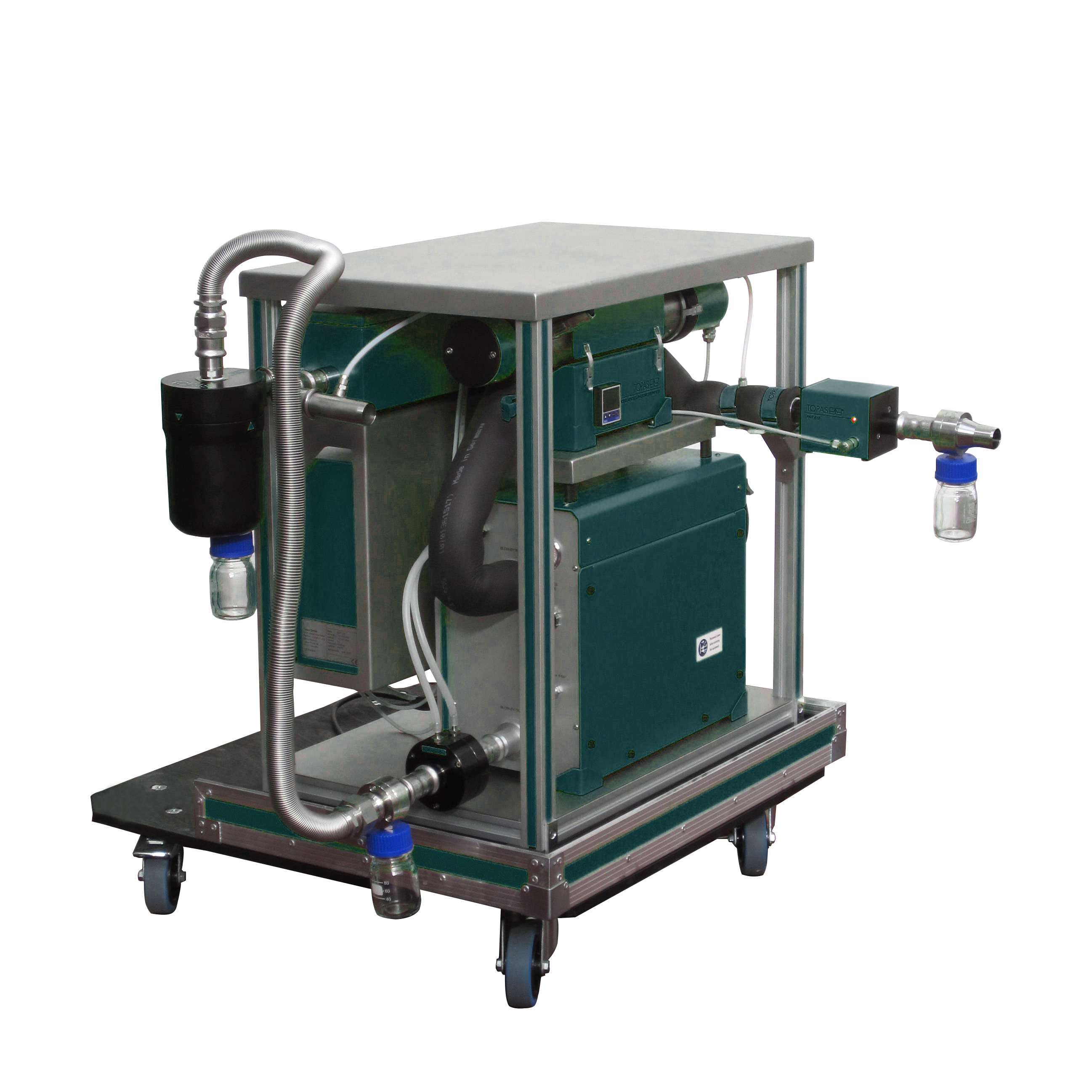
What Are the Applications of a Blow-By Test Rig?
The Blow-By Test Rig is a specialized testing device used to detect and evaluate gas leakage (the “blow-by” phenomenon) in engines or pneumatic systems. Its core function is to measure and analyze the extent to which combustion gases leak past the piston rings into the crankcase. It is widely applied in internal combustion engine R&D, quality control, and fault diagnosis.
Key applications include:
Assessing engine sealing performance: By quantifying the amount of blow-by gas, the wear condition or sealing effectiveness of critical components such as piston rings and cylinder walls can be determined.
Supporting engine bench testing: Used in the development phase to optimize combustion chamber design, piston ring assembly structure, and material selection.
Complying with industry-standard testing: Capable of measuring engine leakage in accordance with standards such as ISO 11578 and SAE J1349.
Aiding fault diagnosis and preventive maintenance: In maintenance or fleet management, it helps identify early wear or abnormal leakage issues, preventing more serious failures.
Verifying the relationship between emissions and oil contamination: Blow-by gases often carry unburned hydrocarbons, which can impact emission levels and accelerate engine oil degradation. This device can assist in related studies.
What are the applicable standards for Blow-By Test Rig?
The Blow-By Test Rig is primarily used to measure crankcase blow-by in internal combustion engines, thereby assessing engine sealing performance and combustion chamber gas leakage. Such testing equipment typically adheres to the following international or industry standards:
ISO 11673-1:2018 — Reciprocating internal combustion engines — Measurement of crankcase gas emissions — Part 1: Blow-by flow measurement method
This standard specifies the method for measuring crankcase blow-by flow in reciprocating engines and is suitable for engine test bench scenarios.
SAE J1349 — Rated Power and Torque of Reciprocating Internal Combustion Engines
Although this standard mainly addresses power rating, the engine load and operating conditions it specifies are often referenced for correlating blow-by testing.
GB/T 18297-2001 — Test Methods for Automotive Engine Performance (China National Standard)
This standard includes requirements for engine sealing and blow-by measurement, applicable to domestic engine development and certification processes.
ASTM D6751 — Standard Specification for Biodiesel Fuel (B100) Blend Stock
When conducting engine tests with biofuels, blow-by-related data may be referenced indirectly, though this standard is not directly applicable to blow-by testing.
Company or OEM Internal Standards
Examples include Volkswagen VW 500 00 and Ford MDS. These standards are typically applied during product development and represent more stringent, customized testing procedures.
Is a Small Amount of Blow-By Normal During Engine Operation?
In fact, a small amount of blow-by is a common and normal phenomenon in all types of engines. No engine can maintain a perfect seal between the piston rings and cylinder walls at all times. However, if the blow-by level exceeds the normal range, it may indicate significant wear between the pistons and cylinders or signal other more serious mechanical issues. Therefore, monitoring blow-by is crucial for assessing the overall health of the engine.
What Is the Operation Procedure of a Blow-By Test Rig?
Understanding the detailed operation procedure of the Blow-By Test Rig not only helps fully grasp the device’s working principle and core functions but also improves testing efficiency and accuracy, deepening comprehension of the overall system operation. The standardized operation procedure is outlined as follows:
1. Environment and Equipment Preparation
First, the test bench should be securely placed on a level, vibration-free platform and kept away from strong electromagnetic interference sources. The operating environment must meet the following conditions: ambient temperature between 15℃ and 50℃, relative humidity below 80%, and no condensation.
Before formal testing, the following checks must be completed:
Confirm that the gas supply (if applicable) pressure is stable within the set range.
Carefully inspect all gas pipelines and connections for leaks.
Verify that critical sensors for pressure, flow, etc., are calibrated, valid, and accurate.
Check that the main power supply of the test bench and all electrical connections are secure and reliable.
2. System Initialization
Once preparation is complete, turn on the main power of the system, start the control computer or embedded controller, and launch the dedicated testing software (such as “Test Assistant” or similar control systems).
After logging in with authorized credentials, the software automatically performs initialization, which includes:
Loading pre-set test configuration files.
Self-checking sensor and actuator communication ports.
Establishing stable communication with all hardware modules.
3. Sample Installation
Carefully lift or fix the engine assembly or crankcase component to the designated workstation on the test bench, ensuring a tight seal with the test interface, typically using prescribed gaskets and fasteners.
Next, correctly connect all necessary measurement devices, including pressure sensors, flow sensors, and exhaust treatment lines, and confirm that all signal connections are correct.
4. Parameter Setting
Within the testing software interface, select the appropriate test type according to the test purpose (e.g., “Crankcase Blow-By Test” or “Breather Performance Test”).
Then, set detailed testing parameters, including:
Target engine speed.
Simulated load conditions.
Total test duration.
Simultaneously, configure data acquisition system parameters, such as sampling frequency and measurement channel ranges, and set alarm thresholds for critical parameters (pressure limits, abnormal flow, etc.) for real-time monitoring.
5. Test Execution
After confirming parameter settings, start the engine (or driving device) and allow it to stabilize at the preset operating point (e.g., specific speed and load).
Once stable, trigger the “Start Test” command in the software. The system will automatically enter the data acquisition and recording phase, continuously monitoring and recording key data, including blow-by flow, crankcase internal pressure changes, and temperature.
During testing, operators should monitor status in real time through the software interface or instruments, paying close attention to any gas leaks, abnormal data fluctuations, or equipment alarms.
6. Data Saving and Cleanup
When the test automatically ends according to the set duration or is manually stopped:
Save the complete raw data file (including time-series data and operating parameters) to the designated local or network storage path and back it up.
Safely shut down the engine, cut off the gas supply, and turn off the test bench main power following safety procedures.
After testing, clean the test bench and surrounding area, remove the test sample, organize pipelines and tools, and record detailed information in the equipment log, including test time, sample information, operator, and any notes.
What are the maintenance methods for the Blow-By Test Rig?
Maintenance of the Blow-By Test Rig should be systematically planned and carried out based on actual engine performance and operating conditions. The following effective maintenance strategies are recommended:
1. Cleaning and Dust Prevention
Regularly remove dust from the device’s surfaces and interior, paying special attention to sensitive components such as sensors and gas line interfaces.
Use a soft cloth or compressed air for cleaning; avoid corrosive solvents.
2. Gas Line System Inspection
Check all hoses and fittings for aging, cracking, or leakage and replace them promptly if necessary.
Ensure that flow meters, pressure sensors, and other measuring elements are unobstructed and functioning properly.
3. Lubrication and Moving Parts Maintenance
Periodically lubricate motors, pumps, valves, and other moving components according to the manufacturer’s instructions.
Inspect the tension and wear of drive belts, adjusting or replacing them as needed.
4. Electrical System Maintenance
Check that power cords, grounding wires, and data cables are securely connected and undamaged.
Keep the control box dry and clean to prevent moisture or dust accumulation.
5. Calibration and Accuracy Verification
Regularly calibrate sensors for pressure, flow, temperature, and other parameters to ensure accurate test data.
It is recommended to perform a full calibration before any major overhaul or annual verification.
6. Environmental Control
Place the equipment in a stable, vibration-free, well-ventilated environment.
Maintain laboratory temperature and humidity within the permissible range of the device (typically 15–35°C, relative humidity <80%).
7. Usage Records and Preventive Maintenance
Maintain a usage log recording operating hours, faults, and maintenance activities.
Establish an annual or quarterly preventive maintenance schedule, replacing consumables such as seals and filters as needed.
Why Is the Blow-By Test Rig So Important?
The significance of the Blow-By Test Rig lies primarily in its critical role in engine performance evaluation, emissions control, and reliability verification.
1. Assessing engine sealing performance:
Blow-by refers to the phenomenon where high-pressure gases from the combustion chamber leak past the piston rings into the crankcase. The Blow-By Test Rig can quantitatively measure the amount of leakage, thereby evaluating the sealing condition of key components such as piston rings and cylinder liners. This makes it an essential tool for determining engine wear and overall health.
2. Ensuring emissions compliance:
Excessive blow-by allows unburned hydrocarbons (HC) and oil vapors to enter the crankcase ventilation system and eventually be released into the atmosphere, increasing pollutant emissions. Using this testing equipment, engineers can optimize engine designs to comply with stringent environmental regulations such as China VI and Euro 6 standards.
3. Supporting R&D and fault diagnosis:
The test rig can be used during the development phase of new engines for parameter calibration and in after-sales or maintenance scenarios to diagnose issues such as piston ring breakage or cylinder wear, providing data support for reliability improvements.
4. Ensuring testing consistency and traceability:
Just as calibration chains are crucial for measurement devices, the Blow-By Test Rig itself must be regularly calibrated. This ensures that test results are comparable and authoritative across different laboratories and time periods—a critical factor for industry standardization and international recognition.
In summary, the Blow-By Test Rig is an indispensable technical tool. It is not only a foundational instrument for engine performance development and in-depth evaluation but also a key enabler for the automotive industry to achieve lower emissions, improve overall reliability, and ensure full compliance with increasingly stringent environmental and safety regulations.We warmly invite industry colleagues, partners, and interested individuals to leave comments, submit inquiries, and contact us for a more comprehensive and in-depth understanding of the instrument’s detailed technical specifications, application cases, and customized solutions.
Previous: What is Seat Thermal Manikin?
N e x t : What is a Textile Fabric Steam Shrinkage Tester?
