





What is the ASTM D1790 Footwear Cold Insulation Tester?
2026/05/14
Share:

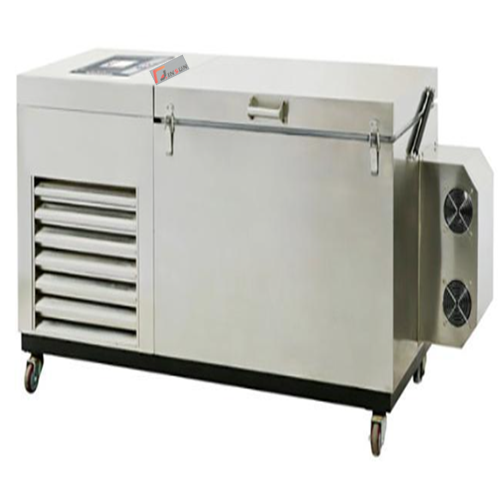
Functions and Applications of the Footwear Cold Insulation Tester
The Footwear Cold Insulation Tester is a professional testing instrument used to evaluate the low-temperature thermal insulation performance of footwear. Its core purpose is to simulate real wearing conditions and quantify the thermal insulation capability of shoes, ensuring comfort and safety in cold environments.
Main Functions
1. Simulation of Foot Heat Generation Environment
The tester is equipped with an internal electric heating system and water supply system to simulate the heat generation and perspiration process of human feet during actual wear.
2. Controlled Low-Temperature Environment
It can maintain a programmable low-temperature range from -20°C to -40°C, replicating extreme cold conditions for realistic testing scenarios.
3. Measurement of Thermal Resistance (R-Value)
By recording the heating power required to maintain a constant temperature of a “heated foot” mannequin and monitoring surface temperature changes, the system calculates the thermal resistance of the footwear. A higher R-value indicates better insulation performance.
4. Evaluation of Complete Footwear Performance
The test is conducted on the entire shoe rather than individual materials, preventing inaccurate results caused by breathable materials combined with structural heat leakage in finished footwear.
5. Multi-Dimensional Performance Analysis
The system can be combined with thermal conductivity testing of materials and low-temperature flexing tests to comprehensively evaluate insulation performance from both micro and macro perspectives.
Core Applications
1. Ensuring Foot Safety in Extreme Environments
Suitable for military personnel, police, high-altitude deployments, disaster rescue teams, and cold-storage workers. It helps reduce risks of frostbite and hypothermia under extreme conditions.
2. Product Design Optimization and Material Selection
Helps manufacturers identify issues such as thermal bridge effects (e.g., heat loss at metal eyelets or seams) and low-temperature brittleness of materials, enabling improvements in structure and material combinations.
3. Compliance with Standards and Regulations
Meets testing standards such as GB/T “Footwear — Determination of Insulation”, ISO, and EN ISO standards. It also supports certification processes through organizations such as Intertek and CTI.
4. Improving Consumer Experience
Ensures that insulated shoes, snow boots, and work boots maintain warmth and dryness in real-world use, preventing discomfort caused by “cold and damp” conditions.
Technical Features of the Footwear Cold Insulation Tester
The Footwear Cold Insulation Tester is a professional instrument designed to evaluate the thermal insulation performance of footwear under low-temperature conditions. Its technical features focus on simulating real wearing environments, quantifying thermal resistance values, and enabling multi-dimensional evaluation of both material and structural performance.
Core Technical Features
1. Simulation of Real Foot Thermal Environment
The tester uses an internal electric heating system and water circulation system to create a stable ~38°C thermally controlled and humid environment inside a standard foot form (such as an “Endofoot”). This simulates human foot heat generation, perspiration, and heat dissipation, accurately reproducing the microclimate inside footwear.
2. Precise Measurement of Thermal Resistance (R-Value)
Under a controlled low-temperature environment ranging from -20°C to -40°C, the system calculates the thermal resistance of the footwear by measuring the heating power required to maintain the constant temperature of the heated foot model. A higher R-value indicates stronger insulation performance.
3. Detection of “Thermal Bridge Effect” in Structure
The system can identify localized heat loss caused by structural weaknesses such as:
Upper–sole bonding areas
High-density stitching zones
Eyelet and lace regions
These “thermal bridges” are critical factors affecting overall thermal performance and are key indicators of footwear insulation design quality.
4. Dual Testing of Complete Shoes and Materials
The instrument supports both:
Whole footwear testing for overall insulation performance
Material-level testing (e.g., outsole, lining, insulation layers) to measure thermal conductivity
This enables a comprehensive analysis from micro-scale material properties to macro-scale finished product performance.
5. Integration with Flexing and Low-Temperature Durability Tests
Some systems can perform cyclic bending tests in low-temperature chambers, evaluating the flexibility and crack resistance of footwear components under cold conditions. This helps prevent performance failure caused by material embrittlement.
6. Compliance with Standards and Industry Regulations
The design and application of the tester follow relevant standards such as GB/T, and are expected to align with future mandatory standards like GB “General Technical Specifications for Foot Protection”. This ensures that test results are recognized for regulatory compliance and market certification.
7. Multi-Scenario Application Capability
The system is suitable for evaluating various types of footwear, including:
Daily cold-weather shoes
Industrial protective footwear
Military and police boots
Outdoor sports footwear
It meets diverse requirements from consumer markets to specialized occupational applications.
Testing Method of the Footwear Cold Insulation Tester
The Footwear Cold Insulation Tester is used to evaluate the thermal insulation (cold resistance) performance of footwear under low-temperature conditions. It simulates real wearing conditions and quantifies insulation ability by measuring temperature changes inside the shoe or calculating thermal resistance values.
Core Testing Principle
The complete shoe is placed in a low-temperature environment of -20°C ± 2°C. A thermocouple or heated foot model is placed inside the shoe to simulate human foot heat generation. The temperature drop inside the shoe over 30 minutes, or the heating power required to maintain a constant internal temperature, is recorded. The insulation performance is evaluated using thermal resistance (m²·K/W) or temperature decline rate.
Standard Testing Procedure (Based on GB/T, ISO Standards)
1. Sample Preparation
At least two complete shoes are required as test specimens.
Samples must be conditioned for at least 24 hours in an environment of 23°C ± 2°C temperature and 50% ± 5% relative humidity.
2. Equipment Setup
Set the cold chamber temperature to -20°C ± 2°C.
Place a 150 mm × 350 mm, 5 mm thick copper/zinc alloy plate inside the shoe to simulate the foot contact surface.
Seal the shoe opening with a thermal insulating material to prevent cold air infiltration.
Attach a thermocouple with a 15 mm ± 1 mm copper disc tip, positioning it at key measurement points such as the insole and upper regions.
3. Testing Process
Start the temperature data acquisition system and continuously record internal shoe temperature changes for 30 minutes.
Optional: Use a heated foot model to simulate human metabolic heat output and maintain constant temperature. Record the required heating power for thermal resistance calculation.
4. Result Calculation
Calculate the average temperature drop at the insole and upper measurement points.
If a heated foot model is used, thermal resistance is calculated using:
R_{ct} = \frac{P}{A \cdot \Delta T}
Where:
P = heating power (W)
A = internal surface area of the shoe (m²)
ΔT = temperature difference between inside and outside (K)
This method provides a standardized and quantitative way to evaluate the cold insulation performance of footwear, ensuring reliable comparison across different shoe designs and materials under simulated real-world cold conditions.
Importance of the Footwear Cold Insulation Tester
The Footwear Cold Insulation Tester is not only a quality control instrument, but also a key driver of product innovation and a critical safeguard for user safety. With increasingly variable cold climates and growing demand for functional footwear, its importance continues to rise.
Its significance is mainly reflected in the following aspects:
1. Ensuring Foot Safety and Health in Extreme Environments
In low-temperature working conditions such as outdoor winter labor, polar expeditions, and ice rescue operations, insufficient thermal insulation in footwear may lead to frostbite, hypothermia, or even life-threatening situations.
This tester accurately evaluates the thermal insulation performance of footwear under simulated cold conditions, ensuring that products meet essential safety requirements.
2. Supporting Implementation of National and Industry Standards
China has introduced several relevant standards, such as T/ZZB 1047—2019 (Cold-Resistant Safety Footwear) and QB/T 4556—2023 (Snow Boots), which clearly define requirements for cold resistance testing.
For example, QB/T 4556—2023 specifies that the internal temperature of footwear should not drop by more than 10°C within 30 minutes. The Footwear Cold Insulation Tester is the key equipment used to perform such evaluations accurately and reliably.
3. Improving Consumer Comfort and Product Reliability
Using this testing system, manufacturers can optimize material structures—such as wool linings or insulation layers—during the R&D stage to ensure effective warmth retention in real-world conditions.
This helps prevent misleading performance claims and reduces customer dissatisfaction or health risks caused by inadequate insulation performance.
4. Facilitating International Trade and Market Access
International certification bodies increasingly incorporate thermal insulation testing into footwear comfort evaluation systems using human-like thermal models to simulate real wearing conditions.
Products tested with such equipment are more likely to gain acceptance in global markets, especially in regions with strict safety and comfort requirements such as Europe, the United States, Japan, and South Korea.
5. Driving Technological Innovation and Industrial Upgrading
The tester provides objective performance data that supports the development of lightweight, highly insulated, and breathable winter footwear.
It plays an important role in promoting the transformation of the footwear industry from traditional manufacturing to intelligent and data-driven production.
In summary, the Footwear Cold Insulation Tester is far more than a simple quality inspection tool. It is a critical piece of equipment that ensures user safety and comfort, supports compliance with domestic and international standards, and significantly enhances the market competitiveness of footwear products.We warmly welcome interested customers and partners to leave messages or contact us directly, so that we can provide more detailed technical information, professional guidance, and customized solutions.
Previous: How Does Seatbelt Fabric Pilling Tester Work?
N e x t : What is a Geosynthetics Vertical Penetration Tester?
