





What is a Geosynthetics Vertical Penetration Tester?
2026/05/14
Share:

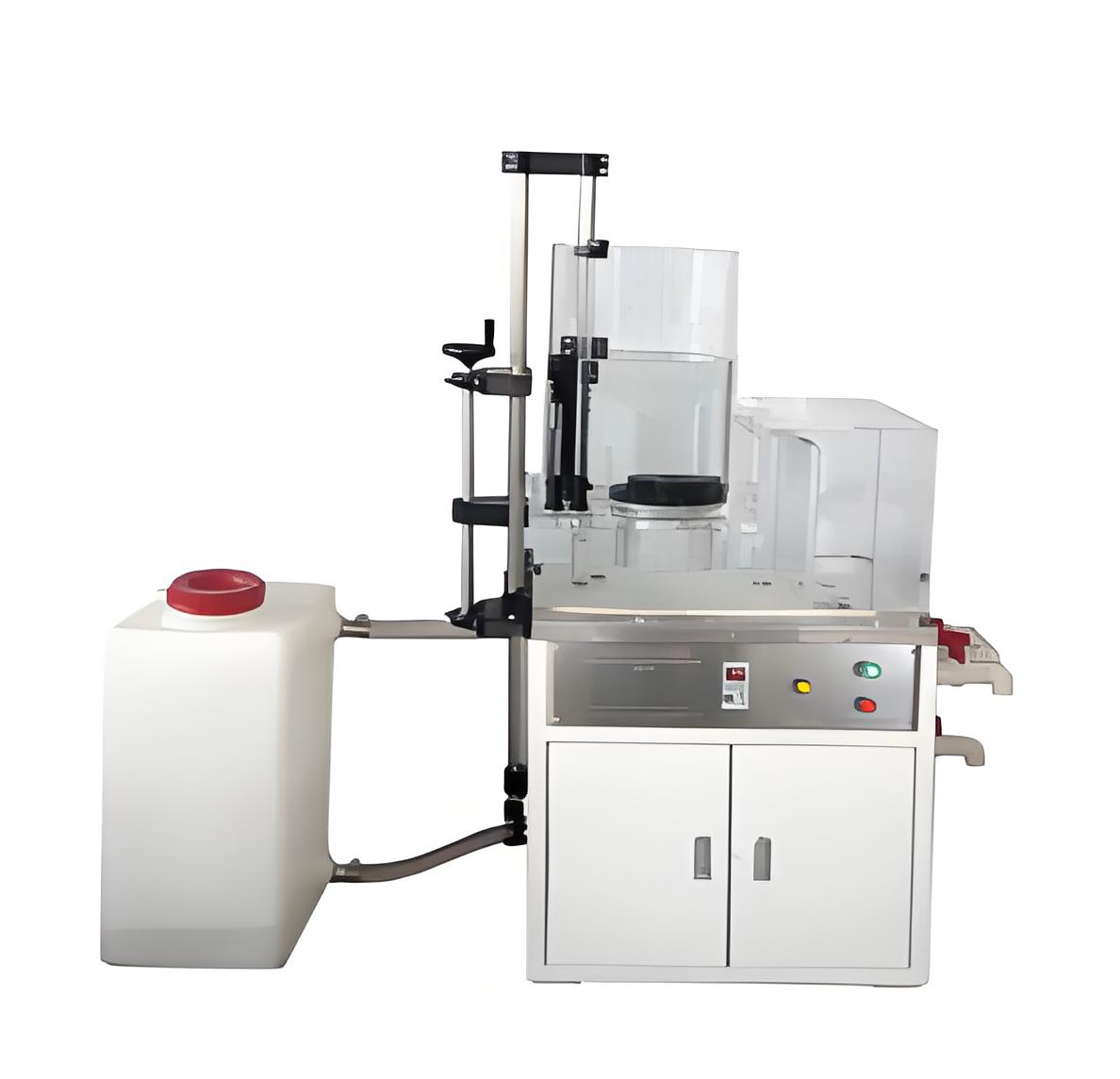
Functions and Applications of the Geosynthetics Vertical Penetration Tester
The Geosynthetics Vertical Penetration Tester is a specialized testing instrument used to determine the vertical permeability performance of geosynthetic materials (such as geotextiles and geomembranes) under constant hydraulic head conditions.
Main Functions
1. Determination of Vertical Permeability Coefficient
The instrument measures the flow rate of water passing through geosynthetic materials under a constant hydraulic head, and calculates their vertical permeability performance accordingly.
2. Adjustable Constant Hydraulic Head
The hydraulic head can be adjusted and maintained within a range of 0–300 mm, allowing the tester to meet the requirements of different material types and testing conditions.
3. Reduced Hydraulic Head Loss Design
The box-type structural design effectively minimizes hydraulic head loss during testing, thereby improving measurement accuracy and stability.
4. Compliance with Relevant Standards
The equipment is designed to comply with domestic and international geosynthetic testing standards, including national standards (GB) and transportation industry standards.
Main Applications
1. Quality Control of Engineering Materials
Used to evaluate the drainage and anti-seepage performance of geotextiles, geomembranes, and other materials in real engineering applications such as dams, landfills, and road construction.
2. Scientific Research and Testing
Provides reliable permeability data for geotechnical engineering and environmental engineering fields, supporting material selection and design optimization.
3. Compliance with Standard Requirements
Meets laboratory testing requirements specified in standards such as GB/T “Test Methods for Geosynthetics Permeability” and ASTM-related standards.
The Geosynthetics Vertical Penetration Tester is widely used in civil engineering, environmental engineering, water conservancy and hydropower, as well as transportation infrastructure sectors for material performance evaluation and research.
Industries Applicable to the Geosynthetics Vertical Penetration Tester
The Geosynthetics Vertical Penetration Tester is mainly used to evaluate the vertical puncture resistance of geosynthetic materials such as geotextiles, geomembranes, and composite drainage materials. It is widely applied in the following industries:
1. Transportation Engineering
Used for testing the puncture resistance of geosynthetic materials in highway and railway subgrades, ensuring structural stability and long-term performance under load and traffic conditions.
2. Water Conservancy Engineering
Applied in dams, canals, and reservoirs to evaluate the durability and puncture resistance of geosynthetics used in seepage control and drainage systems.
3. Environmental Engineering
Widely used in landfill sites and contaminated land remediation projects to verify the puncture resistance of geomembranes and composite liner systems against sharp objects and waste intrusion.
4. Construction Engineering
Used for quality control and performance verification of geosynthetic materials in underground structures, tunnels, and slope protection systems.
5. Port and Coastal Engineering
Tests the puncture resistance of geosynthetics used in revetments, breakwaters, and other coastal protection structures under complex hydrological conditions.
6. Research Institutions and Standard Development
Supports universities and research institutes in studying the mechanical behavior of geosynthetic materials and provides experimental data for the revision and development of relevant national and international standards.
Testing Principle
This equipment typically follows GB/T standards or equivalent ISO standards, where a steel cone is dropped freely from a fixed height onto the sample to measure its resistance to vertical penetration and evaluate puncture strength.
Technical Features of the Geosynthetics Vertical Penetration Tester
In the world of engineering material testing, many performance indicators are not directly visible—especially the vertical puncture resistance of geosynthetics. The Geosynthetics Vertical Penetration Tester is designed to realistically reproduce this hidden but critical loading behavior. Through a stable and controllable loading system, it clearly presents the material’s response under vertical impact and penetration, transforming the abstract concept of “puncture resistance” into measurable, comparable, and analyzable data, thereby providing reliable technical support for engineering applications.
Its main technical features are as follows:
1. Intelligent Touch Control System
Equipped with a large color touchscreen interface, the system supports digital display and automatic timing functions, offering intuitive and user-friendly operation.
2. High-Precision Temperature Control
Built-in heating and cooling systems allow stable regulation of test water temperature within a set range (e.g., 5–80°C or 5–100°C), with a control accuracy of ±0.5°C.
3. Multi-Standard Compatibility
The instrument supports multiple national and industry standards, including:
GB/T (Geotextile vertical permeability characteristics test methods)
JTGE50 (Test methods for geosynthetic materials in highway engineering)
Q/CR549.5 (Railway engineering geosynthetics – Part 5: Geotextiles)
JTS/T232 (Marine engineering material testing specifications)
4. Integrated Dissolved Oxygen Monitoring
Built-in dissolved oxygen analyzer with a range of 0–20 mg/L, resolution of 0.01 mg/L, and accuracy of ±1.5% FS. It helps evaluate material permeability behavior under different water quality conditions.
5. Stable Water Supply and Hydraulic Head Control
Adopts a dual-unit side water supply stabilization system or constant-temperature water tank, ensuring stable hydraulic head with minimal fluctuation and improved test repeatability.
6. Corrosion-Resistant Structural Design
Key components such as the specimen holder and test chamber are made of 304 stainless steel, while sealing parts use corrosion-resistant silicone, enabling operation in acidic or alkaline environments.
7. Automatic Calculation and Data Output
The system automatically collects water volume and timing data, calculates the vertical permeability coefficient, and generates standardized test reports.
8. Energy-Saving and Environmentally Friendly Design
Some models adopt environmentally friendly external compressor cooling systems, reducing overall energy consumption while maintaining stable performance.
Operating Procedure of the Geosynthetics Vertical Penetration Tester
The operation of the Geosynthetics Vertical Penetration Tester is not simply a “start–test–finish” process. Instead, it follows a standardized and repeatable procedure that accurately records the real behavior of materials under penetration and hydraulic loading conditions. From specimen preparation to parameter setting, loading, and data acquisition, each step is designed to recreate real engineering conditions, ensuring reliable and comparable results.
1. Preparation Work
Check whether the equipment is placed on a level surface and verify that the power supply meets 220V ±10%, 50Hz requirements.
Ensure the water supply system tank is filled with clean water (typically distilled or deionized water).
Inspect the specimen holder (high-strength alloy aluminum structure) to ensure it is clean and free from deformation.
2. Specimen Installation
Cut the geosynthetic material (e.g., geotextile) into a circular specimen with a diameter of φ80 mm.
Place the specimen flat between the upper and lower clamping rings of the holder.
Tighten the fixture to ensure proper sealing and prevent water leakage.
3. Parameter Setting
Turn on the color touchscreen control panel and set the target hydraulic gradient or constant head difference.
If a constant temperature test is required, set the temperature range between 5–80°C with an accuracy of ±0.5°C.
4. Test Operation
Start the water supply system to allow water to slowly enter from above the specimen, removing trapped air bubbles.
Activate the automatic timer (range: 0–999 seconds) and record the seepage volume passing through the specimen over time.
The system can simultaneously monitor dissolved oxygen concentration (0–20 mg/L) for special environmental simulation tests.
5. Data Recording and Calculation
The vertical permeability coefficient is calculated based on Darcy’s law:
k = \frac{Q \cdot L}{A \cdot H \cdot t}
Where:
Q = seepage volume (L)
L = specimen thickness (cm)
A = specimen cross-sectional area (cm²)
H = hydraulic head difference (cm)
t = time (s)
6. Test Completion and Cleaning
After testing, turn off the water supply and power.
Drain the water tank and clean the clamping system and pipelines to prevent blockage or corrosion.
7. Precautions
The equipment is designed in accordance with JTGE50 “Test Methods of Geosynthetics for Highway Engineering.”
Avoid wrinkling of the specimen or damage caused by excessive clamping force.
For multiple tests, a new specimen should be used each time to ensure result accuracy and repeatability.
Importance of the Geosynthetics Vertical Penetration Tester
The Geosynthetics Vertical Penetration Tester plays a crucial role in evaluating the vertical hydraulic performance of geosynthetic materials under load conditions. This property is directly related to engineering safety, anti-seepage design, and material quality control, making the instrument an essential tool in geotechnical testing.
Key Importance Highlights
1. Ensuring Engineering Anti-Seepage Performance
Geosynthetic materials are widely used in anti-seepage systems such as landfills, water conservancy projects, and road engineering. Their vertical permeability performance directly affects how well these materials maintain impermeability under real-world loading conditions such as soil pressure.
This tester accurately simulates these conditions and provides reliable measurement of permeability behavior, ensuring the effectiveness of engineering waterproofing systems.
2. Ensuring Reliability of Test Results
According to standards such as GB/T, the instrument must be equipped with features such as:
Constant hydraulic head system
High-precision pressure control (±2%)
Leak-free clamping mechanism
These ensure accurate determination of permeability coefficients and highly repeatable test results.
3. Promoting Standardization and Quality Control in the Industry
By unifying testing methods and equipment requirements, the instrument helps improve the consistency of geosynthetic material quality. It also facilitates international technical communication and engineering recognition, supporting global standard alignment.
In summary, the Geosynthetics Vertical Penetration Tester is not only an indispensable tool for scientific research and quality inspection, but also a key piece of equipment ensuring the long-term stability and safety of modern infrastructure systems.We sincerely welcome inquiries and messages from all interested users and partners, so that we can provide more detailed product information and professional support to assist your decision-making and application needs.
Previous: What is the ASTM D1790 Footwear Cold Insulation Tester?
N e x t : What is the cantilever test for stiffness?
