





What is sublimation fastness?
2026/06/08
Share:

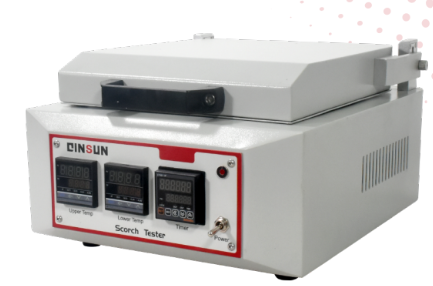
Working Principle of the Ironing and Sublimation Color Fastness Tester
Heat-Press Simulation:
The tester applies a specified temperature and pressure to the textile specimen through heated plates, simulating actual ironing or heat-pressing processes encountered during manufacturing and daily use.
Sublimation Detection:
It evaluates whether dyes in the textile undergo sublimation at elevated temperatures—that is, changing directly from a solid state to a gaseous state—which may result in color migration, staining of adjacent materials, or fading of the fabric.
Color Fastness Assessment:
By comparing the color change of the specimen before and after testing, the tester determines the textile's resistance to color change and dye transfer under ironing and sublimation conditions, thereby assigning an appropriate ironing and sublimation color fastness rating.
Functions and Application Areas of the Ironing and Sublimation Color Fastness Tester
Main Functions
Color Fastness Testing:
The tester simulates the heating conditions that textiles experience during ironing, heat pressing, or dry-heat treatment to determine whether dyes will sublime or migrate at elevated temperatures, causing color changes or staining.
Color Stability Evaluation:
Through controlled testing, it assesses the ability of textiles to retain their original color under high-temperature conditions, ensuring that fabrics do not fade, discolor, or suffer color transfer during actual ironing and use.
Quality Control:
The instrument provides textile manufacturers with an effective quality control solution, helping ensure that products comply with international and industry standards such as ISO, AATCC, and GB requirements.
Application Areas
Textile Manufacturing:
Used to evaluate the color fastness performance of various textile materials, including cotton, linen, silk, wool, synthetic fibers, and blended fabrics.
Dyeing and Printing Industry:
Helps assess the thermal stability of dyes, pigments, and auxiliary chemicals under high-temperature conditions, enabling optimization of dyeing and printing processes.
Garment Manufacturing:
Ensures that garments maintain their original color during ironing and finishing processes, thereby improving product quality and customer satisfaction.
Quality Inspection and Testing Organizations:
Serves as a standard testing instrument for textile quality evaluation, certification, compliance verification, and laboratory testing.
Technical Features of the Ironing Sublimation Color Fastness Tester
Temperature Control
Wide Temperature Range:
The temperature can typically be adjusted from ambient temperature up to 250°C, with an accuracy of ±1°C or better, ensuring precise and repeatable testing conditions.
Independent Heating Control:
The instrument is equipped with independently controlled upper and lower heating plates, providing uniform heat distribution across the specimen and improving test reliability.
Pressure Control
Adjustable Pressure Settings:
Different pressure levels (such as 10 N, 20 N, or other specified loads) can be applied to simulate actual ironing, heat-pressing, or dry-heat treatment conditions.
Uniform Pressure Distribution:
The system ensures even pressure across the entire specimen surface, preventing localized overheating or insufficient pressure that could affect test accuracy.
Time Control
Programmable Test Duration:
The testing time can be freely set according to standard requirements, typically ranging from 1 second to 9.999 seconds, with a timing accuracy of ±0.1 second.
Standard Specimen Size
Standardized Testing Samples:
The tester generally accommodates standard specimen dimensions, such as 100 mm × 40 mm, ensuring consistency and comparability of test results across different laboratories and testing procedures.
Automation Features
User-Friendly Touchscreen Interface:
Modern ironing sublimation color fastness testers are commonly equipped with an intuitive touchscreen control panel that supports parameter setting, test monitoring, data recording, and result analysis.
Automatic Operation Functions:
Advanced models may include automatic lifting and lowering of the heating plates, automatic timing, and audible or visual alarm functions, enhancing operational efficiency and reducing human error during testing.
Operating Procedure of the Ironing Sublimation Color Fastness Tester
1. Preparation
Instrument Inspection
Ensure that all components of the Ironing Sublimation Color Fastness Tester are in good condition, including the heating plates, temperature control system, timer, and other functional parts.
Check that the power cord and grounding wire are properly connected to ensure safe and reliable operation.
Power Connection
Connect the power plug to a suitable power outlet.
Verify that the grounding connection is secure to guarantee testing safety.
Instrument Preheating
Switch on the tester and set the preheating temperature according to the test requirements.
Allow the instrument to reach the specified temperature. The preheating time may vary depending on the model and the selected temperature setting.
2. Parameter Setting
Select the Test Mode
Choose the appropriate test mode according to the applicable testing standard and specimen type.
Some models may offer single-sided heating or double-sided heating modes.
Set the Heating Plate Temperature
Use the temperature control system on the control panel to set the required temperatures for the upper and lower heating plates.
Typically, press the setting button, adjust the temperature using the increase/decrease keys, and then confirm the settings.
Set the Test Duration
Program the testing time according to the relevant testing standard and specimen requirements.
After setting, allow the instrument to save the parameters automatically or confirm the settings manually.
3. Specimen Placement
Prepare the Specimen
Cut the test specimen to the dimensions specified in the relevant standard.
Ensure that the specimen is clean, dry, and free from contamination.
Place the Padding and Specimen
Position the specified padding material (such as wool felt) on the lower heating plate.
Lay the specimen flat on the padding, ensuring full and even contact with the heating surface.
Place the Undyed White Cotton Fabric
Position an undyed white cotton fabric adjacent to or on top of the specimen, as required by the test standard.
This fabric is used to evaluate staining and color transfer during the test.
4. Testing Procedure
Close the Upper Heating Plate
After confirming that the specimen and white cotton fabric are correctly positioned, carefully close the upper heating plate.
Start the Timer
Press the start button to begin the test.
The heating plates will maintain the preset temperature while the timer records the test duration automatically.
Monitor the Test
Observe the instrument throughout the test to ensure that the temperature remains stable and the equipment operates normally.
If any abnormal condition occurs, stop the test immediately and inspect the instrument.
5. Completion of Test and Result Evaluation
Stop the Test and Remove the Specimen
When the preset testing time has elapsed, the timer will stop automatically or can be stopped manually.
Open the upper heating plate and carefully remove the specimen and the white cotton fabric.
Evaluate the Results
Compare the tested specimen and the white cotton fabric with the appropriate standard gray scales.
Assess the color change rating of the specimen and the staining rating of the adjacent white cotton fabric.
Record the test results and evaluate them according to the applicable testing standard.
6. Precautions
Safe Operation
Follow all applicable safety procedures during testing.
Avoid placing flammable or combustible materials near the heated plates.
Use appropriate protective equipment when handling hot components.
Regular Maintenance
Perform routine maintenance to ensure long-term performance and accuracy.
Regularly clean the heating plates and inspect the temperature control system, timer, and other critical components.
Environmental Conditions
Conduct testing under the environmental conditions specified by the relevant standards, including temperature and relative humidity requirements.
Maintaining a controlled testing environment helps ensure accurate and repeatable results.
Maintenance Recommendations for the Ironing Sublimation Color Fastness Tester
The key to maintaining an Ironing Sublimation Color Fastness Tester is to keep the heating plates clean, regularly calibrate the temperature and pressure systems, prevent oxidation and corrosion, and perform periodic professional inspections to ensure long-term accuracy and reliability.
Daily Maintenance
Clean the Heating Plates After Use
After the instrument has completely cooled down, use a soft cloth or cotton swab lightly moistened with a small amount of silicone oil or a neutral cleaning agent to wipe the upper and lower heating plates.
Remove any residual fibers, lint, or fragments of backing fabrics left on the heating surfaces.
Inspect the Insulation Padding
Check whether the thermal insulation padding has become carbonized, damaged, or contaminated.
Replace the padding promptly if any deterioration is observed.
Weekly Inspection
Check the Pressure System
Verify that the pneumatic or mechanical loading system operates smoothly without air leakage, sticking, or abnormal resistance.
Ensure that pressure sensors, weights, or loading mechanisms move freely and function correctly.
Inspect the Temperature Control Components
Check the temperature probe for dust accumulation or contamination.
Clean the probe carefully using a dry, soft-bristled brush.
Verify Safety and Control Functions
Confirm that the timer, buzzer, indicator lights, and emergency stop function are operating properly.
Monthly Calibration Verification
Verify Temperature and Pressure Accuracy
Use calibrated thermometers and pressure gauges to verify the instrument's readings at commonly used test settings.
Compare the measured values with the displayed values to ensure compliance with specified tolerances.
Adjustment Requirements
If deviations exceed ±1°C for temperature or ±0.2 kPa for pressure, the equipment should be adjusted by the manufacturer or authorized service personnel.
Calibration may involve adjusting the PID temperature control parameters or pressure calibration mechanisms.
Semi-Annual Preventive Maintenance
Inspect the Heating Block Surface
Examine the heating plates for oxidation spots, scratches, or surface damage.
If necessary, lightly polish the surface with a fine polishing compound and thoroughly clean it afterward.
Check Electrical Components
Tighten electrical terminal connections as required.
Inspect the power cord, grounding system, and wiring for signs of wear or damage.
Verify Multi-Station Consistency
For multi-position or three-station models, confirm that each testing station maintains consistent and independent temperature control performance.
Long-Term Storage
Protect the Heating Plates
Apply a thin layer of high-temperature silicone grease or an anti-oxidation protective agent to the heating plate surfaces.
Store Properly
Cover the instrument with a dust-proof cover.
Store it in a dry, clean environment free from corrosive gases and excessive humidity.
Disconnect Power and Release Pressure
Disconnect the power supply before long-term storage.
For pneumatic models, release any residual pressure from the air system to prevent component stress and deterioration.
Maintenance Best Practices
Regular maintenance not only extends the service life of the Ironing Sublimation Color Fastness Tester but also ensures accurate, repeatable, and standards-compliant test results. Establishing a preventive maintenance schedule and maintaining calibration records are highly recommended for laboratories, textile manufacturers, and quality control facilities.
Importance of the Ironing Sublimation Color Fastness Tester
The Ironing Sublimation Color Fastness Tester is a critical instrument for ensuring the color stability of textiles during high-temperature processing, such as ironing and heat pressing, as well as during storage and transportation. It plays a vital role in product quality assurance, standards compliance, and brand reputation protection.
Simulation of Real-World Conditions
Accurately Reproduces Actual Usage Environments
The tester precisely simulates ironing, heat pressing, and high-temperature storage conditions to evaluate whether dyes are likely to migrate, fade, sublime, or stain adjacent fabrics. This helps manufacturers prevent discoloration, color transfer, or fabric adhesion issues that may occur during consumer use, thereby improving product reliability and customer satisfaction.
Support for Process Optimization and Dye Selection
Provides Reliable Data for Manufacturing Decisions
The tester supplies valuable performance data for textile dyeing and finishing operations, helping manufacturers select heat-resistant dyes and optimize finishing parameters such as heat-setting temperatures and processing conditions. This contributes to improved product consistency and reduced defect rates.
Compliance with International and Domestic Standards
Essential for Certification and Market Access
Testing is conducted in accordance with widely recognized standards, including GB/T, ISO, and AATCC requirements. Compliance with these standards is often mandatory for product certification and serves as a critical prerequisite for exporting textile products to international markets.
Quality Control and Risk Management
Reduces Product Quality Risks
The instrument is widely used by textile manufacturers, garment producers, and quality inspection laboratories for batch acceptance testing and routine quality control. By identifying potential color fastness issues before products reach the market, it helps minimize returns, customer complaints, compensation claims, and potential disputes related to product performance.
Enhanced Testing Accuracy and Efficiency
Improved Reliability Through Advanced Technology
Modern Ironing Sublimation Color Fastness Testers feature advanced temperature control systems, automated operation, and enhanced data management capabilities. These improvements increase testing repeatability, accuracy, and efficiency while ensuring the long-term reliability of the equipment itself.
Conclusion
As an indispensable component of textile quality control systems, the Ironing Sublimation Color Fastness Tester plays a significant role in ensuring product performance, regulatory compliance, and customer confidence. Its continuous technological advancement and broader industry adoption contribute substantially to improving the competitiveness of the textile sector.With ongoing innovations and evolving market demands, future Ironing Sublimation Color Fastness Testers are expected to become even more intelligent, efficient, and environmentally friendly, further supporting the sustainable development of the global textile industry.If you would like to learn more about this equipment or obtain detailed technical specifications, please feel free to leave a comment or contact us directly. Our team will be pleased to provide comprehensive product information and professional technical support.
Previous: How does the Simulation Test Dummy simulate real human reactions?
N e x t : How do they test mattresses?
