





How do they test mattresses?
2026/06/08
Share:

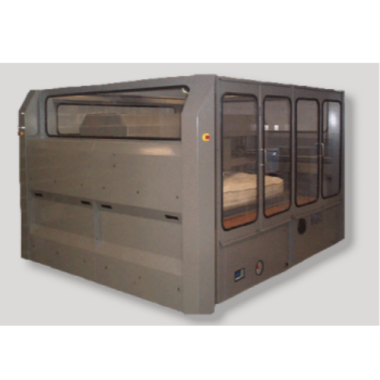
Basic Working Principle of the Mattress Durability Fatigue Testing Machine
The core principle of a Mattress Durability Fatigue Testing Machine is to simulate the repetitive movements and loading conditions that a mattress experiences during normal use, such as a person lying down, getting up, or turning over during sleep. By reproducing these actions under controlled laboratory conditions, the machine evaluates the mattress's long-term durability and performance.
The testing system typically consists of a mechanical actuator, loading roller, or loading pad that applies repeated forces to the mattress surface according to a predefined testing program. The magnitude, frequency, and number of loading cycles can be adjusted in accordance with specific testing standards, allowing the simulation of different body weights, sleeping habits, and usage scenarios.
During the test, the machine continuously applies cyclic loads to the mattress, replicating years of regular use within a significantly shorter period. Throughout the testing process, various performance indicators are monitored and recorded, including:
Changes in mattress height and thickness
Loss of support and firmness
Surface deformation and indentation
Structural integrity and resilience
Fatigue-related performance degradation
By comparing the mattress's characteristics before and after the fatigue test, the system can accurately assess its ability to withstand long-term use without significant deterioration in comfort, support, or structural stability.
This accelerated durability testing method effectively simulates the aging process of a mattress, enabling manufacturers and testing laboratories to identify potential quality issues within a short time frame rather than waiting for years of real-world usage. As a result, it serves as an essential tool for product development, quality control, standards compliance, and performance verification in the mattress and furniture industries.
Functions and Applications of the Mattress Fatigue Performance Testing Machine
The Mattress Fatigue Performance Testing Machine is a specialized testing system designed to simulate the compression, impact, and rolling loads that a mattress experiences during long-term use. It is primarily used to evaluate the mattress's durability, resistance to sagging, structural stability, and overall performance throughout its service life.
Core Functions
Simulated Repetitive Mechanical Loading
The machine applies repeated mechanical loads through methods such as impact hammers, rolling drums, rollers, or pneumatic/electrically driven loading pads to replicate real-life actions, including sleeping, turning over, sitting, and getting in and out of bed.
Accelerated Fatigue Testing
By subjecting the mattress to thousands or even tens of thousands of loading cycles, the tester accelerates the wear process and evaluates the long-term durability of critical components, including:
Spring systems
Foam layers
Support cores
Cushioning materials
Edge support structures
Structural Performance Evaluation
The equipment monitors whether the mattress exhibits:
Permanent deformation (indentation or sagging)
Spring breakage or failure
Foam collapse or compression set
Loss of elasticity and resilience
Structural instability or support degradation
Main Applications
Service Life Verification
The tester is widely used to verify the expected service life and long-term performance of mattresses by simulating years of actual use under controlled laboratory conditions.
Product Development and Research
Manufacturers utilize the machine during product development to compare materials, optimize structural designs, and improve mattress durability before market launch.
Quality Control
The equipment serves as an essential quality assurance tool for routine production inspections, helping manufacturers maintain consistent product quality and identify potential defects before products reach customers.
Standards Compliance and Certification
Testing can be performed in accordance with furniture industry standards such as QB/T, EN, ASTM, ISO, and other applicable national or international requirements. The results provide objective evidence for product certification, compliance verification, and market access.
Performance Measurement and Data Analysis
Advanced models can be equipped with integrated force and displacement sensors to quantitatively measure key performance indicators, including:
Hardness variation
Support force retention
Height loss and permanent indentation
Elastic recovery performance
Structural fatigue characteristics
These measurements provide comprehensive data for evaluating mattress quality, durability, and long-term comfort performance.
Industry Applications
The Mattress Fatigue Performance Testing Machine is widely used in:
Mattress manufacturing companies
Furniture production enterprises
Research and development laboratories
Quality inspection and testing organizations
Certification and conformity assessment bodies
Universities and materials research institutions
By providing accurate and repeatable durability assessments, the machine helps manufacturers improve product reliability, extend service life, and ensure compliance with industry standards and consumer expectations.
Technical Features of the Mattress Fatigue Performance Testing Machine
The Mattress Fatigue Performance Testing Machine is specifically designed to evaluate the fatigue resistance, deformation behavior, and structural stability of upholstered furniture—particularly mattresses—under simulated long-term usage conditions. Its technical features focus on standardized load simulation, highly repeatable testing actions, and intelligent control systems rather than the high-load, high-frequency dynamic testing typically associated with general-purpose metal fatigue testing machines.
Load Simulation Methods
Realistic Human Body Load Simulation
The machine commonly employs hexagonal or cylindrical rollers that repeatedly roll across the mattress surface, or fixed-mass impact hammers that perform controlled free-fall impacts. These testing methods simulate human movements such as turning over, lying down, sitting, and getting out of bed.
Testing procedures can be conducted in accordance with recognized standards such as ASTM, BS EN, QB/T, and other applicable mattress durability testing requirements.
Unlike hydraulic fatigue testing systems that apply alternating tensile and compressive loads, mattress fatigue testers focus on reproducing real-life usage conditions encountered during daily sleep and rest.
Motion Control System
High-Precision Drive Mechanism
The rolling system is typically driven by servo motors or variable-frequency motors, ensuring smooth and accurate reciprocating movement across the mattress surface.
For impact testing models, pneumatic or electromagnetic mechanisms are used to control the lifting and dropping of impact hammers with high repeatability.
Key motion control features include:
Adjustable travel distance
Programmable test parameters
Stable loading speed control
Positioning accuracy of approximately ±0.2 mm to ±0.5 mm
Intelligent Measurement and Control System
PLC-Based Automation
Most modern systems are equipped with a PLC (Programmable Logic Controller) and touchscreen interface, providing intuitive operation and comprehensive test management.
Integrated high-precision force and displacement sensors enable real-time monitoring of mattress performance during testing.
Typical control functions include:
Test cycle setting from 0 to 999.999 cycles
Automatic test termination upon completion
Power-failure data retention
Fault diagnosis and alarm functions
Real-time data acquisition and storage
Advanced models may also generate and display:
Force-displacement curves
Load-deformation curves
Fatigue performance trend analysis
Test result reports and data export functions
Structural Design
Heavy-Duty Rigid Frame Construction
The machine generally adopts a gantry-type or rigid frame structure to ensure stability and accuracy during long-term fatigue testing.
The testing platform is designed to accommodate standard mattress sizes and supports multiple testing positions, including:
Center area testing
Edge durability testing
Corner durability testing
Multi-zone performance evaluation
Some advanced systems are equipped with dedicated edge durability testing modules to assess edge support performance and structural integrity.
Adaptability and Testing Environment
Designed for Ambient Durability Testing
The machine is primarily intended for durability testing under normal room-temperature and dry conditions. Unlike environmental testing chambers, it does not typically incorporate temperature, humidity, or corrosion simulation functions.
Compatibility with Various Mattress Structures
By replacing loading rollers, impact heads, or test fixtures, the equipment can accommodate a wide range of mattress constructions, including:
Innerspring mattresses
Pocket spring mattresses
Foam mattresses
Memory foam mattresses
Latex mattresses
Hybrid mattresses
However, the system is generally not suitable for testing air mattresses, waterbeds, or other inflatable mattress products, as these products require different testing methodologies and loading conditions.
Key Advantages
Realistic simulation of long-term mattress usage
High testing repeatability and accuracy
Fully automated PLC control system
Compliance with international and industry standards
Multi-zone durability evaluation capability
Comprehensive data acquisition and analysis functions
Suitable for product development, quality control, and certification testing
These technical features make the Mattress Fatigue Performance Testing Machine an essential tool for mattress manufacturers, furniture testing laboratories, and certification organizations seeking to ensure product durability, reliability, and compliance with industry standards.
Operating Procedure of the Mattress Fatigue Performance Testing Machine
1. Preparation
Specimen Conditioning
Place the mattress specimen flat at the center of the testing platform and secure it properly to prevent movement during testing.
Condition the mattress in a controlled environment of (20 ± 2)°C and (65 ± 5)% RH for at least 24 hours prior to testing to ensure consistent and reliable results.
Equipment Inspection
Verify that the machine is properly grounded.
Check the air supply system (if applicable), emergency stop button, and safety protection devices.
Ensure that the roller, loading head, or impact device installed on the machine complies with the selected testing standard.
2. Parameter Setup
Select the Test Standard
Use the PLC touchscreen control panel to select the appropriate testing standard or custom testing program.
Configure Test Parameters
Set the required testing parameters, including:
Number of test cycles
Rolling or loading stroke
Loading frequency
Applied load or impact force
Test duration (if applicable)
Carefully verify all settings before starting the test to ensure compliance with the selected standard.
3. Alignment and Test Start
Mattress Positioning
The system automatically or manually locates the centerline of the mattress.
Ensure that the roller axis is parallel to the longitudinal axis of the mattress to guarantee accurate load distribution during testing.
Start the Test
Close and secure all safety guards or protective doors.
Press the "Start" button to initiate the fatigue test.
Important: Never open the safety enclosure or enter the testing area while the machine is operating.
4. Test Monitoring
Periodic Inspection
Depending on the testing requirements, the test may be paused every 1.000–5.000 cycles for visual inspection.
Examine the mattress for:
Surface deformation
Fabric damage
Sagging or indentation
Structural abnormalities
Unusual noise from internal components
Real-Time Data Observation
Monitor the force-displacement curve, thickness variation, or other performance data displayed on the control interface.
If abnormal conditions occur, immediately press the emergency stop button and investigate the cause before resuming the test.
5. Test Completion and Evaluation
Record Final Results
After the preset number of cycles has been completed, the machine will stop automatically.
Measure and record key performance indicators, including:
Permanent height loss
Thickness reduction
Surface deformation
Structural damage
Edge support degradation
Visual Inspection
Use measuring tools such as calipers, gauges, or magnifying devices to document:
Indentations
Cracks
Fabric tears
Spring failures
Foam collapse
Other visible defects
Data Export
Generate and export the test report through the control system.
Save all testing data for quality analysis, product development, or certification purposes.
Important: Do not manually interfere with the specimen or disassemble any test components before the machine has been completely powered down.
6. Shutdown and Maintenance
Equipment Cleaning
Turn off the power supply after testing is completed.
Remove debris, dust, or material residues from the roller and testing platform.
Routine Maintenance
Lubricate guide rails, moving mechanisms, and other designated components according to the maintenance schedule.
Inspect mechanical parts for wear or looseness.
Sensor Verification
Perform zero-point calibration checks on force and displacement sensors at least once a week to maintain measurement accuracy.
Safety Precautions
Never operate the machine beyond its rated load capacity.
Do not use the equipment in environments with excessive humidity, dust, or corrosive contaminants.
Ensure that all operators receive proper training before using the machine.
Regularly inspect safety interlocks, emergency stop devices, and protective covers.
Follow all relevant operating procedures and laboratory safety regulations to ensure safe and reliable testing.
By adhering to these procedures, the Mattress Fatigue Performance Testing Machine can provide accurate, repeatable, and standards-compliant durability evaluations, helping manufacturers and testing laboratories assess mattress quality and long-term performance effectively.
Maintenance Recommendations for the Mattress Fatigue Performance Testing Machine
The maintenance of a Mattress Fatigue Performance Testing Machine focuses on four key aspects: cleaning, lubrication, calibration, and standardized operation. To ensure long-term reliability, testing accuracy, and equipment longevity, a preventive maintenance program should be implemented on a daily, weekly, monthly, and annual basis.
Daily Maintenance
Clean the Equipment After Use
Wipe the machine frame, loading block, guide rails, fixtures, and testing platform with a soft dry cloth.
Remove dust, mattress fibers, foam particles, and other debris generated during testing.
Keep the testing area clean to prevent contamination of sensors and moving components.
Safety Inspection
Verify that the emergency stop button functions properly.
Check limit switches and safety interlock systems for normal operation.
Confirm that all protective covers and safety guards are securely installed.
Pneumatic and Hydraulic System Check
Inspect pneumatic lines for air leakage.
Check hydraulic lines and fittings (if applicable) for oil seepage or leakage.
Return to Home Position
Before shutting down the machine, complete an unloaded return cycle to place all moving components in their home position.
Avoid leaving the machine under static load for extended periods.
Weekly Maintenance
Lubrication of Moving Components
Apply a thin layer of general-purpose lithium-based grease to critical moving parts, including:
Ball screws
Linear guide rails
Bearings
Sliding mechanisms
Proper lubrication helps reduce wear and maintain smooth operation.
Mechanical Fastener Inspection
Check all fastening bolts, mounting screws, and anchor bolts for looseness.
Tighten components as necessary to maintain structural stability.
Sensor Cleaning
Carefully clean the surfaces of force sensors and displacement sensors using a lint-free cloth lightly moistened with anhydrous alcohol.
Avoid applying excessive force that could damage sensitive components.
Operational Record Keeping
Record machine operating hours.
Document any abnormal noise, vibration, or irregular machine behavior for future maintenance reference.
Monthly Maintenance
Fixture and Alignment Inspection
Inspect fixtures, loading heads, and rollers for wear, deformation, or misalignment.
Replace worn components when necessary to maintain testing accuracy.
Electrical Cabinet Cleaning
Clean the air filters and cooling fans inside the control cabinet.
Prevent dust accumulation that could lead to overheating of electronic components.
Software and Sensor Verification
Check for zero-point drift in the control software and measurement system.
Perform a no-load zero calibration before routine operation.
Pneumatic System Maintenance
For pneumatic models:
Drain accumulated moisture from air filters and water separators.
Check the oil level in the lubricator and replenish it if necessary.
Inspect air preparation units for proper operation.
Semi-Annual and Annual Maintenance (Every 6–12 Months)
Professional Calibration
Force sensors and displacement measurement systems should be calibrated by a qualified calibration laboratory or authorized service provider.
Regular calibration is essential to ensure the accuracy and traceability of test data.
Hydraulic System Service (If Applicable)
For hydraulic models:
Replace hydraulic oil according to the manufacturer's recommendations.
Typical replacement intervals are every 500–1.000 operating hours or every six months, whichever comes first.
Drive System Inspection
Check motor temperature rise during operation.
Inspect belts, couplings, and transmission components for wear and proper tension.
Replace damaged components as needed.
Maintenance Documentation
Maintain a complete Equipment Maintenance Log documenting:
Inspection dates
Calibration records
Parts replacements
Lubrication schedules
Corrective maintenance activities
Proper documentation supports quality management systems and audit requirements.
Long-Term Storage
If the machine will remain out of service for an extended period:
Power Protection
Disconnect the main power supply.
Remove external power connections when possible.
Dust and Corrosion Prevention
Cover the equipment with a dust-proof protective cover.
Apply a thin layer of anti-rust oil to exposed metal surfaces.
Pneumatic Component Protection
Fully retract pneumatic cylinder rods.
Apply anti-corrosion grease to exposed piston rods and metallic components.
Storage Environment
Store the equipment in an environment that is:
Dry and well ventilated
Free from corrosive gases
Protected from excessive dust
Maintained at a stable temperature and humidity level
Best Practices for Equipment Reliability
A well-structured preventive maintenance program can significantly improve the service life, testing accuracy, and operational reliability of a Mattress Fatigue Performance Testing Machine. Regular cleaning, lubrication, calibration, and inspection not only minimize unexpected downtime but also ensure that durability test results remain accurate, repeatable, and compliant with relevant industry standards.
Importance of the Mattress Fatigue Performance Testing Machine
The Mattress Fatigue Performance Testing Machine plays a vital role in the mattress industry by providing a standardized method for simulating long-term human use and objectively evaluating a mattress's structural stability, durability, and resistance to fatigue. It is an essential tool for ensuring product safety, maintaining long-term support performance, meeting regulatory requirements, and protecting both consumer health and brand reputation.
Ensuring Structural Safety and Long-Term Support Performance
Verifying Durability Under Realistic Usage Conditions
In accordance with standards such as GB/T, ASTM, and QB/T, the tester subjects mattresses to more than 100.000 rolling or impact cycles to simulate years of normal use. Through these tests, manufacturers can evaluate critical performance indicators, including:
Spring fatigue and support retention
Compression and settlement of cushioning materials
Structural integrity of support layers
Edge support durability
Long-term resilience and recovery performance
By identifying premature sagging, excessive deformation, structural noise, or support failure, the tester helps prevent issues that may negatively affect sleeping comfort and spinal support throughout the mattress's service life.
Driving Quality Control and Product Development
Improving Product Reliability Through Scientific Testing
The machine enables manufacturers to accurately identify fatigue-related weaknesses in mattress materials and structural designs during product development and production.
Test data can be used to:
Optimize mattress construction and material selection
Improve manufacturing processes
Reduce product defects and warranty claims
Enhance overall product consistency and durability
In addition, independent third-party durability testing provides objective evidence to support product claims such as "10-Year Warranty", helping manufacturers strengthen credibility while reducing after-sales disputes.
Supporting Regulatory Compliance and Market Access
Meeting International Testing Requirements
Major markets around the world—including China, Europe, and North America—require mattresses to comply with applicable durability and performance standards before entering the marketplace.
Failure to meet these requirements may result in:
Product rejection or certification failure
Market access restrictions
Product recalls
Increased legal and warranty risks
By conducting standardized fatigue testing, manufacturers can demonstrate compliance with relevant regulations and industry standards, ensuring smooth market entry and ongoing product conformity.
Building Consumer Confidence and Brand Differentiation
Transforming Durability into a Competitive Advantage
As consumers place increasing emphasis on healthy sleep and long-term product value, mattress durability has become an important purchasing consideration rather than a hidden technical specification.
Verified fatigue testing data provides scientific support for marketing claims such as:
Long-lasting comfort
Enhanced spinal support
Superior durability
Consistent performance over time
These objective performance results help brands establish consumer trust and differentiate themselves in an increasingly competitive marketplace.
Preventing Misleading Durability Claims
Evaluating the Complete Mattress System
A mattress's long-term durability cannot be accurately assessed based solely on factors such as spring wire diameter or advertised warranty periods.
Many potential failure modes—including:
Foam compression and deformation
Edge collapse
Connector loosening
Layer separation
Structural instability
can only be identified through comprehensive whole-mattress fatigue testing.
The Mattress Fatigue Performance Testing Machine is uniquely capable of simulating the interaction of all mattress components under realistic loading conditions, making it one of the most effective tools for evaluating actual product durability and identifying potential long-term performance issues.
Conclusion
The Mattress Fatigue Performance Testing Machine is an indispensable instrument for assessing mattress durability, structural integrity, and overall product quality. By accurately simulating years of real-world use, it provides manufacturers, testing laboratories, and certification organizations with reliable data to improve product performance, ensure regulatory compliance, and strengthen consumer confidence.As demand for high-quality and health-oriented sleep products continues to grow, the importance of mattress durability testing will only increase. Through continuous technological advancements and broader industry adoption, mattress fatigue testing systems will continue to play a crucial role in improving product quality and promoting innovation within the bedding industry.If you would like to learn more about Mattress Fatigue Performance Testing Machines or require detailed technical specifications, please feel free to leave a message or contact us directly. Our team will be pleased to provide comprehensive product information and professional technical support tailored to your specific requirements.
Previous: What is sublimation fastness?
N e x t : What is soiling monitoring dust IQ?
