





How about Fabric Negative-ion Concentration Tester?
2026/06/09
Share:

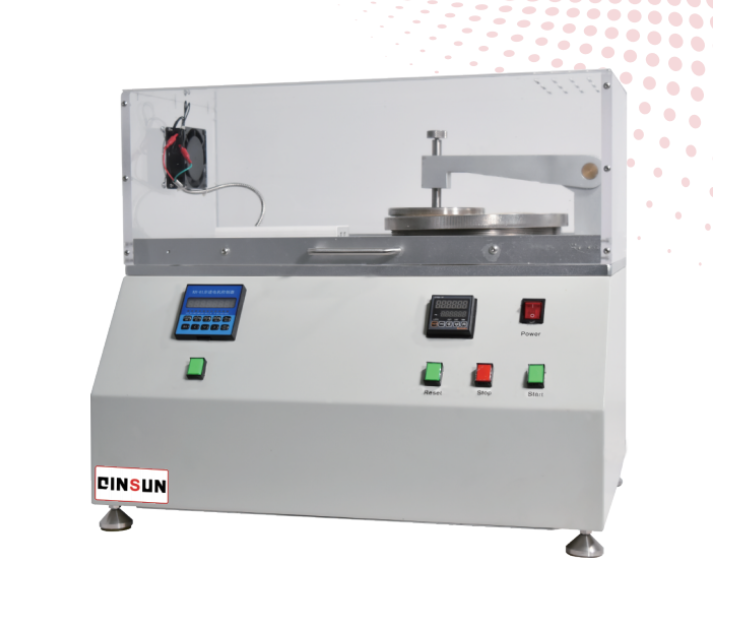
Working Principle of the Fabric Negative-ion Concentration Tester
Negative Ion Generation Mechanism
The release of negative ions from textiles mainly relies on three intrinsic mechanisms. The primary task of the tester is to simulate external conditions and maximize the activation of these negative-ion-generating capabilities.
Mineral Piezoelectric and Pyroelectric Effects
This is the most commonly adopted mechanism. Through blending or coating processes, fabrics are incorporated with natural mineral particles such as tourmaline and miracle stone. When these mineral crystals are subjected to friction, pressure, or temperature variations, their internal crystal lattices undergo intense vibration, generating a potential difference. This potential difference ionizes water molecules in the surrounding air, continuously releasing negative ions such as O₂⁻ and OH⁻.
Triboelectric Ionization
When ordinary fibers undergo vigorous friction against the skin or other fabrics, an electrostatic field is generated. This strong electric field can also ionize nearby air molecules, producing a certain amount of negative ions.
Photocatalytic Activation
Some functional fabrics are coated with photocatalysts such as nano-sized TiO₂. Under visible light or ultraviolet irradiation, electron transitions occur within the photocatalyst, catalyzing air ionization reactions and thereby generating negative ions.
Ion Capture and Detection Principle
The tester adopts the Dynamic Ion Capture Method as its core detection principle.
Air Sampling
A precision air pump built into the instrument continuously draws air containing negative ions from the test chamber into the sensor chamber at a constant and controlled flow rate.
Charge Collection
Inside the sensor chamber, a parallel-plate capacitive collector is installed. Under the influence of a strong electric field, airborne negative ions are accurately attracted and collected on the collecting electrode.
Signal Conversion
The negative charges carried by the collected ions generate an extremely weak ion current on the electrode. This current is amplified, filtered, and conditioned by a highly sensitive micro-current amplifier before being converted into a measurable voltage signal.
Concentration Calculation
Based on Faraday’s Law of Electrolysis and the measured airflow rate, the control system accurately converts the electrical signal into the number of negative ions per unit volume of air, while displaying and recording the data in real time.
Environmental Simulation and Control Principle
To ensure that test results are accurate, reliable, and internationally comparable, the testing environment must be strictly controlled.
Sealed Isolation
The test chamber is designed as a highly airtight enclosure that completely isolates the sample from external air and background ion interference.
Constant Temperature and Humidity Control
An integrated temperature and humidity control system maintains the testing environment under standard conditions (for example, a temperature of 20°C ± 2°C and a relative humidity of 60% ± 5%), eliminating the influence of environmental fluctuations on ion generation and migration.
Dynamic Friction Simulation (GB/T 30128 Standard Method)
To simulate the friction conditions encountered during actual wear, the instrument is equipped with a standardized friction device. The upper friction disc applies a constant pressure of 7.5 N to the specimen, while the lower friction disc rotates at a standard speed of 93 r/min, effectively stimulating negative-ion generation through mechanical action.
Data Processing and Evaluation Principle
During the test, the system continuously collects data and generates a Time–Concentration Curve in real time.
Upon completion of the test, the instrument automatically subtracts the background blank value and calculates the net negative-ion generation amount. The results are then classified according to established standards:
Above 1.000 ions/cm³ — High negative-ion generation performance
550–1.000 ions/cm³ — Moderate negative-ion generation performance
Below 550 ions/cm³ — Low negative-ion generation performance
This classification enables a scientific and objective evaluation of the functional performance level of textile products.
Technical Features of the Fabric Negative-ion Concentration Tester
High-Precision Measurement
The tester features high sensitivity and resolution, enabling it to detect even slight variations in negative-ion concentration. This ensures the accuracy, reliability, and stability of test results, making it suitable for precise evaluation of negative-ion-releasing textiles.
Easy Operation
Designed with a compact and sophisticated structure, the tester is typically built in a rectangular form factor, making it convenient to transport and operate. It is equipped with a high-definition display and a user-friendly interface, allowing operators to easily configure test parameters and monitor results in real time.
Excellent Durability
Key components such as the housing, sensors, and circuit boards are manufactured from high-quality materials to ensure long-term durability and stable performance. The enclosure is commonly constructed from high-strength, corrosion-resistant metal or alloy materials, such as stainless steel, providing excellent protection in various testing environments.
Multiple Models Available
A variety of models are available to meet different testing requirements. Depending on the model, differences may exist in measurement range, testing accuracy, degree of automation, data processing capabilities, and user interface design. Users can select the most suitable model according to their specific application needs.
Operating Procedure of the Fabric Negative-ion Concentration Tester
I. Preparation
Power Connection
Ensure that the tester is properly connected to the power supply and is in good working condition before operation.
Instrument Calibration
Calibrate the tester before use to ensure the accuracy of measurement results. Calibration procedures may vary depending on the instrument model; therefore, users should refer to the manufacturer's operating manual for detailed instructions.
Sample Preparation
Prepare the textile specimen to be tested and ensure that its surface is clean and free from dust, oil, or other contaminants. The size and shape of the sample should comply with the requirements specified by the testing instrument.
II. Setting Test Parameters
Select the Test Mode
Choose the appropriate test mode according to the testing requirements. Some instruments may provide multiple operating modes, such as automatic testing and manual testing.
Set the Measurement Range
Configure a suitable measurement range based on the expected negative-ion release characteristics of the textile sample. The selected range should fully cover the anticipated ion concentration levels.
Set the Test Duration
Set the testing time according to the applicable testing standard or customer requirement. The duration of the test can significantly influence the stability and reliability of the measurement results.
III. Sample Placement and Test Initiation
Place the Sample
Position the textile specimen near the negative-ion collector of the tester. Ensure that the distance between the sample and the collector complies with the instrument specifications.
Start the Test
Press the "Start" button to initiate the testing program. The instrument will automatically capture the negative ions released by the textile specimen and perform real-time data acquisition and processing.
IV. Reading and Analyzing Results
Monitor the Data
During the test, the instrument continuously displays real-time negative-ion concentration values. Operators should observe the data to ensure that the test proceeds normally.
Read the Results
After the test is completed, read the measurement results from the display screen. The results are typically presented in terms of negative-ion concentration or the number of negative ions generated.
Record the Data
Document the test results for future analysis and comparison. The data may be recorded in a test report, laboratory logbook, or electronic database.
Analyze the Results
Evaluate whether the negative-ion release performance of the textile sample meets the specified requirements or relevant standards. If abnormal or inconsistent results are observed, a verification test or retest should be conducted.
V. Precautions
Environmental Control
Maintain a stable testing environment throughout the measurement process. Environmental factors such as temperature and humidity can significantly affect negative-ion generation and detection. Testing is generally conducted under laboratory conditions, and ambient temperature and humidity should be recorded.
Standardized Operation
Operate the instrument strictly in accordance with the user manual. Improper operation may lead to equipment damage or inaccurate test results.
Regular Maintenance
Clean and maintain the tester regularly to ensure reliable performance and measurement accuracy. Components such as capacitor plates and ion collection electrodes should be periodically cleaned with alcohol to remove dust and contaminants.
Safety Measures
Observe all electrical safety requirements during operation. Proper grounding and safe handling practices should be followed to prevent electric shock and other potential hazards.
By following the above procedures and precautions, the Fabric Negative-ion Concentration Tester can provide accurate, repeatable, and reliable measurements of the negative-ion generation performance of functional textiles, supporting product development, quality control, and compliance testing.
Importance of Negative Ion Generation Testers in the Quality Evaluation of Functional Textiles
Accurate Measurement of Negative Ion Release
The Fabric Negative Ion Generation Tester can accurately measure the quantity of negative ions released by textiles within a specified period, providing reliable data support for evaluating the negative ion functionality of functional textiles. By comparing the test results of different textile samples, manufacturers can assess the effectiveness of their negative ion release performance and identify products with superior negative ion-generating capabilities.
Guiding Improvements in Production Processes
During the manufacturing process, if a product's negative ion release level fails to meet the required standards, the tester can help identify the underlying causes through precise measurement data. Based on the test results, manufacturers can implement appropriate corrective actions, such as adjusting the content of mineral additives, optimizing fabric structures, or refining production techniques, thereby enhancing the negative ion generation performance of the final product.
Meeting Consumer Demand
As consumers place increasing emphasis on the health-related benefits of functional textiles, the test results provided by the Fabric Negative Ion Generation Tester offer valuable reference information for purchasing decisions. This enables consumers to select products that better meet their expectations and requirements. At the same time, it encourages manufacturers to focus more on product quality and technological innovation, thereby improving their competitiveness in the marketplace.
In summary, the Fabric Negative Ion Generation Tester is an indispensable instrument in the textile industry. Its core value lies in its ability to accurately and efficiently evaluate a fabric's capability to generate and release negative ions. By scientifically and precisely measuring the quantity of negative ions produced by textiles under specified conditions, the instrument provides solid, reliable data and technical support for the functional assessment of textile products, particularly in verifying claims related to negative ion health benefits, air purification properties, and other value-added functionalities.We are committed to providing advanced and professional testing solutions for our customers. We sincerely welcome industry professionals, business partners, and interested individuals to contact us through comments, messages, or direct inquiries to obtain more comprehensive product information, technical documentation, application case studies, and expert consultation services.
Previous: What is soiling monitoring dust IQ?
N e x t : What is the test for fabric absorbency?
