





What is the test for fabric absorbency?
2026/06/09
Share:

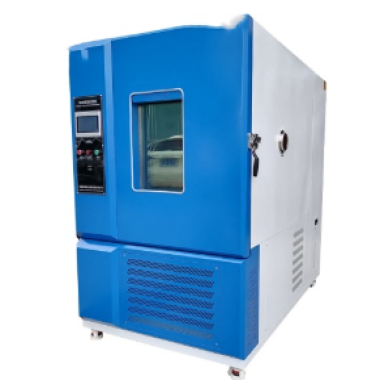
Detection Principle of the Textile Moisture Absorption and Heat Generation Performance Tester
1. Principle of Moisture Absorption and Heat Generation: Conversion from Water to Heat
To understand why testing is necessary, it is first important to explain the scientific principle behind it. Moisture absorption and heat generation is not a magical effect, but a physical phenomenon.
When hydrophilic functional groups in textile fibers (such as hydroxyl groups, amino groups, etc.) capture water vapor molecules from the air, the kinetic energy of the water molecules decreases. This reduction in kinetic energy is released in the form of heat. This process is known as “heat of moisture sorption.”
Different fiber materials exhibit different heat generation effects due to variations in their chemical structures and moisture absorption capacities. For example, certain natural fibers and specially modified synthetic fibers generally show stronger moisture absorption and heat generation performance.
The core purpose of testing is to objectively measure the efficiency and intensity of this energy conversion process.
2. Core Evaluation Indicators: How “Heat Generation” Is Measured
The evaluation of moisture absorption and heat generation performance is not based on a single parameter. Instead, it is assessed through several key indicators:
Temperature Rise Value
This is the most intuitive indicator. Under specified experimental conditions, the temperature increase of the fabric surface during moisture absorption is measured relative to the initial temperature. Typically, both the maximum temperature rise and the average temperature rise over a period of time are considered.
Heat Retention Value
After heat is generated, the ability of the fabric to retain this heat and reduce heat loss is evaluated. This is closely related to the structure, thickness, and finishing process of the textile. The heat retention value reflects the fabric’s ability to maintain a temperature higher than the reference plate during the later stage of the test.
Moisture Absorption Capacity
Heat generation originates from moisture uptake. The amount of water absorbed by the sample per unit mass within a specified time is a fundamental parameter for calculating heat generation efficiency.
Together, these indicators form a comprehensive “performance scorecard” for evaluating the moisture absorption and heat generation capability of textiles, with each parameter playing an indispensable role in the overall assessment.
Technical Features of the Textile Moisture Absorption and Heat Generation Performance Tester
Equipped with high-precision temperature sensors, ensuring accurate and reliable data acquisition.
Supports four-channel parallel testing, allowing simultaneous evaluation of three samples, significantly improving testing efficiency.
Capable of generating real-time temperature variation curves during the test process, with automatic data calculation and report generation, enabling fully automated operation throughout the testing workflow.
Applicable Industries of the Textile Moisture Absorption and Heat Generation Performance Tester
The Textile Moisture Absorption and Heat Generation Performance Tester is mainly applied in the following industries:
Functional Textiles and Apparel Industry
It is widely used in the research, development, and quality control of thermal underwear, sportswear, outdoor equipment, and smart temperature-regulating fabrics. The tester helps verify whether products comply with relevant standards such as GB/T and FZ/T related to moisture absorption and heat generation performance.
Textile Raw Materials and Fiber R&D
This includes performance evaluation and formulation optimization of new moisture-absorbing and heat-generating fibers, such as modified polyester, modal, wool blends, and other functional fiber materials.
Third-Party Testing Institutions and Quality Supervision Departments
Used for market supervision, product certification, and verification of the authenticity of functional performance claims.
Home Textile Industry
Applied in the testing of products such as moisture-absorbing and heat-generating bedding, blankets, and other home textile items to evaluate comfort and functional performance.
Medical and Protective Textile Field
Certain medical thermal fabrics and close-to-skin protective garments require evaluation of their microclimate regulation capabilities using this type of testing equipment.
Operating Procedure of the Textile Moisture Absorption and Heat Generation Performance Tester
1. Testing Instruments and Equipment Used
This test requires a precise temperature and humidity controllable testing system. The core equipment is the Textile Moisture Absorption and Heat Generation Performance Tester, which mainly consists of a constant temperature and humidity chamber, a sample testing platform, high-precision temperature and humidity sensors, and a data acquisition and recording system.
The testing platform must have excellent thermal insulation properties to ensure that the measured results accurately reflect the self-heating effect of the sample itself. The temperature and humidity sensors should feature high sensitivity and fast response capability, enabling real-time monitoring of minute changes in temperature and humidity on the sample surface.
The entire system must operate within a stable environmental chamber to eliminate external fluctuations and ensure the repeatability and comparability of test data.
2. Standard Test Method and Procedure
The standard testing process begins with strict sample preparation and environmental conditioning.
First, the textile specimen must be conditioned to equilibrium under standard atmospheric conditions.
Next, the sample is placed flat on the insulated testing platform, ensuring close contact between the sensors and the sample surface. At the start of the test, the chamber environment is typically pre-set to a low temperature and low humidity condition (for example, 20°C and 40% relative humidity).
Subsequently, the humidity inside the chamber is rapidly increased to a higher constant level (for example, 90% relative humidity), simulating a sudden increase in humidity caused by human perspiration.
Throughout the test, the system continuously records the temperature change curves of both the sample surface and the reference plate over time. The typical test duration is 30 minutes or until the temperature stabilizes.
Key steps include instrument calibration before testing, blank control experiments to eliminate system errors, and strict control of the humidity transition time to ensure that all tests start under consistent initial conditions.
Maintenance Recommendations for the Textile Moisture Absorption and Heat Generation Performance Tester
The core maintenance of the Textile Moisture Absorption and Heat Generation Performance Tester focuses on maintaining stable constant temperature and humidity conditions, ensuring clean and accurate sensors, and keeping mechanical and electrical systems in good working condition.
1. Daily / Post-Use Maintenance
After each use, the inner chamber, observation window, sample platform, and exterior surfaces should be wiped with a soft dry cloth or slightly damp soft cloth to remove textile fibers or condensed moisture.
Ensure that the condensate drainage outlet is unobstructed, and that the wet-bulb gauze is clean and free of crystallization. Replace it when necessary.
2. Temperature and Humidity System Maintenance
Regularly check the humidifier water tank and ensure that distilled water or deionized water is used to prevent scale buildup and clogging.
Clean or replace the wet-bulb gauze (if equipped) every 1–3 months to ensure accurate humidity sensor response.
Inspect air ducts for dust accumulation and gently clean the blower and duct system using dry compressed air.
3. Sensor Calibration and Protection
Temperature sensors must not be touched or wiped with hard objects. Use a soft brush or air blower for dust removal.
At least once per month, perform calibration using a standard source or blackbody furnace. Annually, the equipment should be sent to an authorized metrology institution for verification.
After testing, remove samples promptly to prevent corrosion of probes caused by sweat or chemical residues.
4. Operating Environment and Power Management
The instrument should be installed in a laboratory environment with stable temperature and humidity, and free from vibration and corrosive gases.
Preheat the system for at least 30 minutes before operation.
For long-term storage, disconnect the power supply, remove batteries if applicable, cover the unit with a dust-proof cover, and place desiccants inside the chamber.
5. Regular Preventive Maintenance
Every six months, inspect sealing strips for aging or deformation, check compressor operation for abnormal noise, and verify the heating and cooling system performance.
Annually, the manufacturer or authorized technicians should calibrate the overall system, including temperature and humidity uniformity, airflow accuracy, and control system responsiveness.
A maintenance log should be kept, recording dates, operations performed, replaced parts, and calibration values.
6. Fault Prevention Guidelines
Do not overload the system, avoid sudden temperature or humidity changes, and never wash the chamber with water.
If temperature or humidity fluctuation exceeds ±0.5°C or ±3% RH, or if sensor drift or alarms occur, the system should be stopped immediately and technical support from the manufacturer should be contacted.
Implications for Consumers and the Industry
For ordinary consumers, understanding the testing principles of textile moisture absorption and heat generation performance can help make more rational purchasing decisions. When selecting related products, consumers can pay attention to whether the product label or specification indicates compliance with recognized testing standards, or whether it provides third-party testing reports. Such information is far more reliable than relying solely on marketing claims or advertising statements.
For the textile industry, the testing of moisture absorption and heat generation performance has promoted the standardized development of functional textiles. It encourages enterprises to engage in deeper technological innovation across material development, structural design, and finishing processes in order to meet scientific testing verification requirements. Unified testing standards also establish a fair competitive platform in the market, allowing genuinely high-quality products to stand out.
The testing of textile moisture absorption and heat generation performance represents a rigorous scientific evaluation system that transforms the sensory experience of “warmth” into measurable and comparable physical data. Professional third-party testing institutions serve as indispensable “arbiters” and “quality guardians” within this system. Through objective and impartial services, they ensure the authenticity and reliability of product performance, safeguard healthy market development, and ultimately enable technological innovation to be translated into tangible, trustworthy comfort and warmth for consumers.
We sincerely welcome all readers to leave comments or contact us directly. Whether you would like to share valuable feedback, inquire about specific details, or discuss potential cooperation opportunities, we will respond with full enthusiasm. Your feedback is extremely important to us, as it helps us better understand your needs and allows us to prepare more comprehensive and detailed product information and documentation. We look forward to communicating with you and providing the most attentive service and support.
Previous: How about Fabric Negative-ion Concentration Tester?
N e x t : How does the Full Vehicle Sunlight Simulation Test Chamber work?
