





How to test shrinkage of fabric?
2026/07/02
Share:

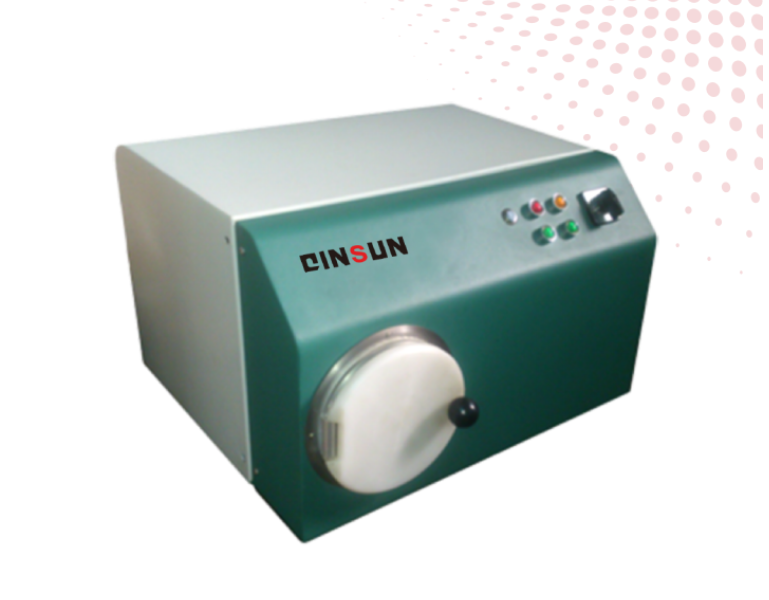
Structural Composition of the Steam Shrinkage Tester
1. Steam Generation System
This is the core component of the equipment, consisting of a stainless-steel steam boiler, heating elements, and a water level sensor. The boiler is designed with dry-burn protection; when the water level is insufficient, the system will automatically alarm and shut down. The heating tubes quickly convert distilled water into saturated steam. A flow control valve ensures a stable output of 70 g/min (tolerance ±20%), preventing fluctuations in steam flow from affecting test results.
2. Sealed Testing Chamber
The chamber adopts a high-temperature resistant stainless-steel sleeve structure with excellent sealing performance, ensuring no steam leakage and no condensation dripping. Inside, multi-layer metal wire racks are installed, allowing up to four specimens to be tested simultaneously. The rack mesh is sparse and smooth, ensuring that specimens are placed flat without tension. This design enables uniform steam penetration, ensuring consistent heat and moisture exposure for all samples.
3. Temperature Control and Timing System
A microcomputer-based controller is integrated to monitor chamber temperature and steam pressure in real time. The processing time can be set according to test requirements, with a timing accuracy of ±1 second. Once the preset duration is reached, the system automatically stops steam supply and triggers an alarm, enabling fully automated testing control.
4. Cooling and Exhaust System
After testing, the exhaust valve quickly releases steam from the chamber to prevent residual heat and moisture from continuing to affect the specimens. The exterior of the chamber is equipped with a thermal insulation layer to prevent burns, reduce heat loss, and improve energy efficiency.
5. Auxiliary Accessories
Accessories include a shrinkage scale, millimeter ruler, specimen clamps, and a distilled water container. These supporting tools facilitate the entire workflow of specimen preparation, marking, and measurement, ensuring convenient operation and accurate results.
Working Principle of the Steam Shrinkage Tester
The working principle of the Steam Shrinkage Tester is based on the thermal–moisture deformation behavior of fibers and standardized steam environment control technology. Its core function is to simulate real-world conditions such as ironing, dyeing, and steam finishing processes, and to measure the dimensional shrinkage behavior of fabrics under a free (unstressed) state.
From the perspective of material physics, textile fibers—including cotton, linen, silk, wool, and synthetic fibers—are all sensitive to heat and moisture. When fabrics are exposed to high-temperature saturated steam, both heat and moisture penetrate into the fiber structure. This accelerates molecular chain mobility within the fibers, releases internal stresses formed during weaving, and causes hygroscopic swelling and structural reorganization of the yarn and fabric.
After the steam treatment ends and the fabric is cooled and conditioned, the fibers are unable to fully return to their original dimensions. This results in macroscopic shrinkage in both length and width. The testing chamber standardizes and controls this process through precise steam parameter regulation, ensuring repeatability and allowing quantitative evaluation of fabric shrinkage performance.
From the operational perspective of the equipment, the tester works through the coordinated function of three main systems: the steam generation system, the sealed testing chamber, and the temperature/time control system. The steam generator converts distilled water into saturated steam at a constant flow rate, which is evenly delivered into the sealed chamber through a distribution channel, ensuring stable temperature, humidity, and pressure without local variations.
Specimens are placed on a metal rack in a tension-free and compression-free state, fully exposed to the steam environment for a standardized duration. After treatment, the specimens are conditioned under standard atmospheric conditions, and dimensional changes are measured to calculate the shrinkage rate. Throughout the entire process, external mechanical interference is eliminated, ensuring that the results solely reflect the effect of steam on fabric dimensional change.
Operating Procedure of the Steam Shrinkage Tester
The operation method of the Steam Shrinkage Tester is as follows:
I. Preparation Stage
1. Specimen pre-conditioning
The fabric samples to be tested should undergo pre-conditioning and conditioning treatment to ensure they are in a standard atmospheric condition before testing. This typically involves placing the specimens in a constant temperature and humidity environment for a period of time until moisture and temperature equilibrium is reached.
2. Marking the specimens
Measurement points should be marked on the fabric samples to facilitate subsequent dimensional measurement. Tools such as a shrinkage scale, staples, or other marking instruments can be used to define reference points or measurement lines on the fabric.
II. Testing Stage
1. Placing the specimens
Place the prepared specimens onto the sample rack inside the testing chamber, ensuring full exposure to the steam environment. The rack is typically made of metal to minimize the influence of heat capacity on test results.
2. Parameter setting
Set the required test parameters according to the testing standard, including steam pressure, test duration, and temperature. These parameters directly affect the results and therefore must be selected and adjusted carefully.
3. Starting the test
Start the tester to begin the test. Steam will flow into the chamber according to the preset parameters and fully interact with the specimens, causing hygroscopic shrinkage. During operation, the equipment status should be closely monitored to ensure stable testing conditions.
III. Result Processing Stage
1. Measuring dimensional change
After the test is completed, remove the specimens and measure their initial and final lengths under the same moisture regain condition. Precision measuring tools such as a tape measure or vernier caliper should be used.
2. Calculating shrinkage rate
Calculate the shrinkage rate based on the measured data. The shrinkage is typically expressed as a percentage change relative to the original length.
3. Recording data
Record all test results in a report, including material properties, sample origin, test conditions, and dimensional changes. These records are essential for further data analysis and quality evaluation.
IV. Precautions
1. Operational safety
Follow all operating procedures and safety regulations when using the tester. Avoid touching high-temperature components during operation and ensure the chamber door is properly closed.
2. Maintenance and servicing
Regular maintenance should be performed to ensure proper operation and extend service life. This includes cleaning the chamber interior and inspecting sensors and control systems.
3. Data accuracy assurance
To ensure accurate results, the equipment and measuring instruments should be calibrated regularly, and standardized testing procedures must be strictly followed.
By following these steps, the Steam Shrinkage Tester can be properly used to evaluate fabric shrinkage performance. This testing method is of great significance for product development, quality control, and research in the textile industry.
Application Value of the Steam Shrinkage Tester
The core application value of the Steam Shrinkage Tester lies in its ability to accurately quantify the dimensional stability of textiles under hot and humid steam conditions. It serves as a critical quality control instrument for bridging the gap between laboratory test results and real-world mass production or actual wearing performance.
1. Ensuring Garment Pattern Stability
The tester directly simulates industrial steam finishing processes as well as daily steam care scenarios. It allows early prediction of warp and weft shrinkage rates, preventing quality issues such as incorrect garment sizing and seam puckering caused by post-production shrinkage. This significantly reduces product return rates.
2. Optimizing Production Process Parameters
Through systematic testing, the optimal combination of steam temperature, time, and humidity can be determined. This helps manufacturers adjust fiber relaxation during the R&D stage, reducing raw material waste caused by excessive safety margins and avoiding loss of fabric hand feel.
3. Improving Data Credibility and Standardization
The equipment complies with major international standards such as ISO and BS, providing a standardized testing environment free from external mechanical interference. It eliminates high variability errors associated with traditional water washing or manual ironing methods and supports mutual recognition in global trade.
4. Evaluating Durability of Functional Coatings
When testing functional textiles such as waterproof, anti-stain, and antibacterial fabrics, the instrument simultaneously evaluates the adhesion and integrity of coatings under thermal and moisture shock conditions. This ensures that functional properties are not compromised due to dimensional changes.
Conclusion
In the context of high-quality development in the textile industry, properly operating the steam shrinkage tester and mastering its principles is an essential skill for laboratory technicians and quality control personnel. By strictly following standardized procedures and maintaining proper calibration, testing accuracy and repeatability can be maximized, providing strong technical support for product quality improvement and industry advancement.We sincerely welcome your inquiries or messages so that we can provide more detailed product information.
Previous: What is a high-temperature curing chamber?
N e x t : How Does the Cornell Mattress Fatigue Testing Machine Improve Mattress Quality?
