





What is a solid, split-type weighted dummy?
2026/07/02
Share:

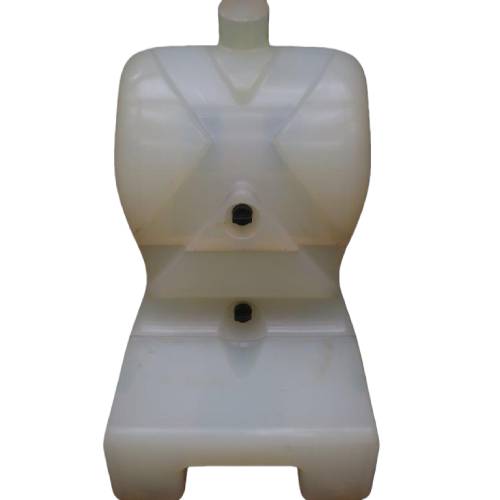
Core Features of the Solid Split-Type Weighted Dummy
Modular split structure
The dummy adopts a three-section design (upper, middle, and lower body), with each section weighing approximately 25 kg. It can be quickly assembled or disassembled using stainless steel pins and hand-tightened knobs, making it easy to transport and store. This split design not only improves operational convenience but also adapts to different testing space requirements.
High-precision weight control
The total mass error is controlled within ±0.04 kg, significantly higher in accuracy than traditional weighting models, ensuring strong repeatability and reliability of test data. The solid structure eliminates the issue of center-of-gravity shift caused by liquid sloshing, making it particularly suitable for vibration and crash safety testing of electric vehicle battery systems.
German-developed silicone material
The dummy is made of high-strength, wear-resistant silicone material developed in Germany, capable of withstanding extreme temperatures ranging from -55°C to 250°C. It maintains material stability under high and low temperature testing conditions without cracking or deformation.
Multi-brand and international standard compatibility
It supports testing requirements for major vehicle brands such as Toyota, Honda, Nissan, Mercedes-Benz, BMW, Volkswagen, General Motors, Ford, Hyundai, and BYD. It also complies with international standards such as GB, ISO, and ECE, making it suitable for safety testing of passenger vehicles, commercial vehicles, and new energy vehicles.
Optional integrated digital display system
Some models are equipped with a digital monitoring system that can provide real-time pressure distribution data across key body regions such as the head, chest, and legs. This offers quantitative support for airbag deployment threshold calibration and seat angle optimization.
Application Scenarios of the Solid Split-Type Weighted Dummy
1.Automotive Crash Safety Testing
The dummy is secured on the vehicle seat and subjected to high-speed impact tests to evaluate the protective performance of airbags, seat belt pretensioners, and vehicle body deformation on occupants.
It supports complex test conditions such as offset crashes and pole impacts. The solid structure ensures a stable center of gravity and prevents data distortion caused by liquid sloshing in traditional models.
By modular configuration, it can simulate different occupant profiles such as children, adult males, females, and obese body types, meeting the requirements of NCAP and other rating organizations for diversified test subjects.
2.Seat System Durability and Comfort Testing
The dummy is placed on seats under continuous loading for hundreds of hours to evaluate whether foam materials collapse or frames deform, making it suitable for long-duration seating durability validation in new energy vehicles.
It is used on vehicle vibration test rigs to simulate rough road conditions, monitoring force distribution at seat connection points and assessing the fatigue life of components such as headrests and lumbar supports.
Combined with motor-driven systems, it performs repeated seat adjustment tests (lifting, sliding, etc.) to verify motor load capacity and structural stability.
3.Child Safety Seat and ISOFIX Interface Strength Testing
By adjusting the lower or middle counterweights, the dummy simulates child body weights ranging from 15 kg to 36 kg, verifying the fixation reliability of child seats during sudden braking or collision events.
Installed in child safety seats, it undergoes lateral and longitudinal tensile load tests to detect whether ISOFIX anchors loosen or fail, ensuring compliance with relevant safety standards.
4.Automotive Battery System Safety Testing
It is used in battery pack underbody impact and road vibration tests. The solid structure eliminates liquid resonance issues found in fluid-filled dummies, providing a more realistic representation of structural load conditions on battery systems.
In high-temperature environments during battery module impact testing, the dummy acts as a fixed load, helping assess the integrity of the passenger compartment during thermal propagation events.
Different mass distributions can trigger sensor systems to calibrate airbag deployment timing and force, preventing false deployment or delayed activation.
It is used to evaluate the effectiveness of automatic seat belt pretensioning during collisions, optimizing control algorithms based on chest compression data collected from the dummy.
Why Split-Type Weighted Dummies Are Essential in Automotive Testing
Solid split-type weighted dummies and automotive ballast test dummies are core tools in vehicle safety testing and performance validation. Their design must integrate requirements from ergonomics, material mechanics, and complex test scenarios.
The split-type structure adopts a modular design that allows flexible assembly, enabling simulation of occupants with different body shapes and weight distributions. This provides precise weighting support for scenarios such as crash testing, seat strength verification, and seatbelt anchorage evaluation. The solid structure, typically made from high-density materials such as stainless steel, ensures a stable center of gravity and prevents deformation during testing that could otherwise cause data deviation, thereby significantly improving the reliability of test results.
The technical core of the split-type weighted dummy lies in its customizability and precision weighting capability.
Its modular structure allows engineers to adjust the weight distribution of different body segments such as the torso and limbs according to test requirements. For example, when simulating a child occupant, reducing lower-limb mass while increasing head mass can more accurately reproduce a realistic center-of-gravity distribution. The solid construction, made from stainless steel or similar high-density materials, provides structural strength while minimizing internal cavities through integrated forming processes, preventing weight shifting caused by vibration or impact. In addition, the split design supports quick assembly and disassembly, making it compatible with different vehicle seat configurations and significantly improving testing efficiency.
In automotive safety testing, weighted dummies are widely used in crash safety evaluation, restraint system optimization, and occupant comfort research. For example, in frontal crash tests, the dummy’s mass distribution must accurately replicate a 50th percentile male occupant to evaluate airbag deployment timing and energy absorption performance. In seat durability testing, continuous loading simulates long-term occupant pressure to verify the structural durability of seat frames. Another advantage of split-type dummies is their compatibility with various sensors, such as accelerometers and pressure sensors, enabling real-time data acquisition and providing engineers with multidimensional analytical insights. Furthermore, digital display interfaces and PLC control systems simplify the testing process and ensure data accuracy and traceability.
Purchasing Recommendations for Solid Split-Type Weighted Dummies
Solid split-type weighted dummies are mainly used for automotive seat ballast testing, battery vibration testing, and amusement facility safety validation. The key to selection lies in verifying weight accuracy, material vibration resistance, and the reliability of the split-structure connection system.
1. Key Purchasing Criteria
(1) Weight Accuracy and Distribution
The total mass error should be controlled within ±0.04 kg (or at least within ±2 kg, depending on application requirements). It is also important to confirm whether the center of gravity (C.G.) height complies with relevant testing standards, as this directly affects test validity and repeatability.
(2) Split Structural Design
A three-section modular structure (upper, middle, and lower body) is preferred, with each segment weighing approximately 25 kg for easier handling. The connection system must use 316 stainless steel pins combined with hand-tightened locking knobs to ensure secure fastening even under severe vibration conditions, preventing accidental detachment.
(3) Material and Environmental Resistance
The outer shell is recommended to be made of a composite structure of silicone, nylon 6. and high-strength PE, providing excellent impact resistance and wear durability. The operating temperature range should cover -40°C to 90°C, ensuring stability without cracking in low temperatures or deformation in high temperatures.
(4) Anti-fluid Motion Design
A key advantage of solid construction is the absence of internal fluid movement. Buyers should ensure the product is fully solid-filled rather than water- or sand-filled, as fluid-based designs may cause center-of-gravity shifts (C.G. shift) and introduce measurement noise, making them unsuitable for dynamic crash and vibration testing.
2. Common Pitfalls to Avoid
Beware of “Water-Filled” Substitutes
Water-filled dummies are lower in cost but suffer from internal fluid sloshing, making them suitable only for static or low-speed tests. In contrast, solid dummies are the only compliant solution for dynamic crash and vibration environments.
Verify Supplier Qualifications
Priority should be given to manufacturers with automotive OEM project references or certifications. Request material test reports and calibration certificates to ensure quality consistency and traceability.
Check Accessory Compatibility
Ensure the dummy supports sensor integration ports, seatbelt mounting points, and standardized interfaces. Lack of compatibility may require later modification, which could compromise test accuracy and efficiency.
Conclusion
In summary, the solid split-type weighted dummy plays an indispensable role in modern automotive testing. It not only improves the realism of occupant simulation by accurately reproducing mass distribution in crash tests, but also enhances operational efficiency through its modular design, which simplifies transportation, storage, and maintenance. Its solid structure ensures long-term stability and durability, making it essential for achieving reliable and repeatable test results.If you require more detailed specifications, application guidance, or technical parameters, please feel free to contact us. Our professional team will provide tailored product information, technical solutions, and customized support based on your specific testing needs.
Previous: How Does the Cornell Mattress Fatigue Testing Machine Improve Mattress Quality?
N e x t : What is a walk-in high-temperature aging chamber?
