





What is a toy flammability tester?
2026/07/08
Share:

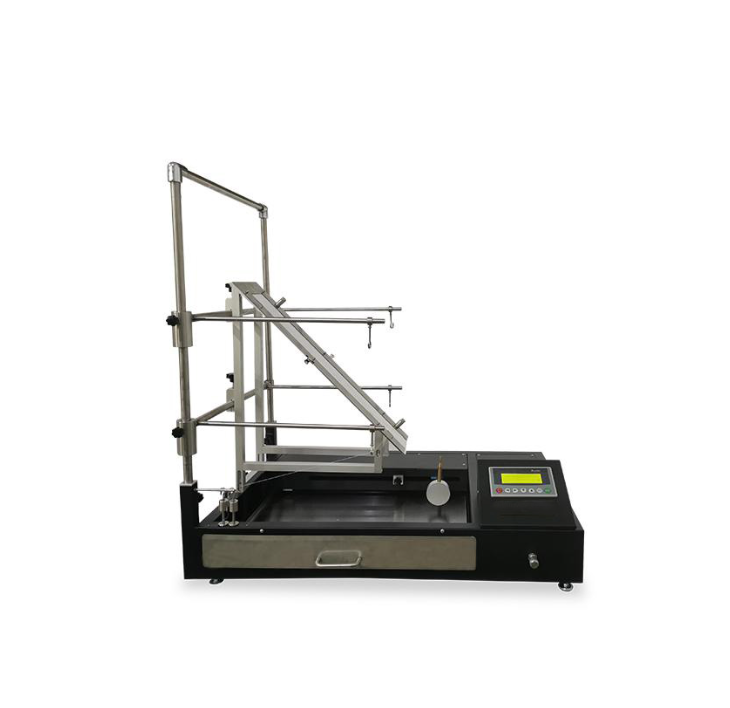
Features of the Toy Comprehensive Flammability Tester
Flexible and Versatile Specimen Fixture System
Due to the wide variety of toy shapes and structures, the tester is equipped with multiple replaceable and adjustable specialized specimen fixtures to accommodate different types of samples. For example, for head-worn toys with hair, wigs, or beards, the instrument is equipped with vertical suspension fixtures. For large toys such as children’s play tents and playhouses that children can enter, it is fitted with standard U-shaped metal plate fixtures (typically 600 mm × 80 mm). For plush and stuffed toys, specific vertical or inclined fixing supports are provided.
This modular fixture design enables a single instrument to comprehensively cover the flammability testing requirements of various types of toys, significantly improving testing flexibility and application range.
Intelligent Data Acquisition and Safety Protection
Modern Toy Comprehensive Flammability Testers generally adopt a PLC (Programmable Logic Controller) or high-performance microcontroller as the core control unit and are equipped with an intuitive LCD touchscreen or upper computer software system. Operators can easily set parameters such as ignition time and afterflame duration through the user-friendly menu interface. The system features an automatic ignition function, effectively reducing the risk of burns caused by manual ignition operations.
During testing, the instrument can automatically record key data such as burning duration and flame spread speed. Some advanced models are also equipped with photoelectric sensing systems or automatic timing systems based on cotton thread breakage detection. When the specimen burns to a specified marking line, the system automatically detects the event and stops timing, greatly eliminating human reading errors.
In addition, the tester is typically equipped with a transparent tempered glass observation window and an exhaust smoke removal system, allowing convenient observation of combustion behavior while ensuring proper laboratory ventilation and operational safety.
Testing Scope of the Toy Comprehensive Flammability Tester
The Toy Comprehensive Flammability Tester is designed to evaluate the flammability performance of children’s toys and toy materials. It is suitable for testing the following types of toys:
1) Beards, moustaches, whiskers, wigs, and similar items made of hair, fur, or comparable materials; molded and textile masks; head coverings; head-worn accessories; and flowing decorative elements attached to head-worn toys. However, plain paper or cardboard hats without decorations or attachments are excluded.
2) Costume clothing, including toy disguise costumes and toys intended to be worn by children during play activities.
3) Toys designed for children to enter, such as toy tents, puppet theaters, playhouses, conical tents, and tunnels.
4) Soft-filled toys, excluding soft-filled toys that cannot be hugged or cuddled by children during play.
The flammability performance of toys or materials is evaluated under specified testing conditions. However, the test results cannot be used to determine that these toys or materials are completely free from potential fire hazards when exposed to other ignition sources.
Functions of the Toy Comprehensive Flammability Tester
The function of the Toy Comprehensive Flammability Tester goes beyond simply determining whether a product meets compliance requirements. More importantly, it provides scientific data support for material development, process improvement, and global market access.
Evaluating the Ignition Resistance and Flame Spread Performance of Various Toys
This is the most direct function of the instrument. By simulating an open flame igniting specific parts of a toy, the tester can visually evaluate the toy’s resistance to ignition when exposed to a fire source. Testing standards usually specify strict evaluation criteria.
For example, after the flame source is removed, the flame spread rate of plush toys must not exceed 30 mm/s. For head-worn wig toys, the burning duration after ignition must not exceed 2 seconds, or the flame must self-extinguish within a distance of 50 mm.
This strict evaluation mechanism encourages manufacturers to select fabrics and filling materials with excellent flame-retardant properties, thereby reducing the risk of accidental ignition and rapid flame spread at the source.
Supporting the Development and Optimization of Flame-Retardant Materials
For toy material researchers and product development engineers, the instrument serves as an essential experimental tool. During the development of new flame-retardant fabrics, fire-resistant foams, or flame-retardant finishing agents, researchers can use the tester to conduct comparative experiments and analyze the effects of different formulations, fabric weights, and composite processes on material flame resistance.
For example, testing can help determine the optimal amount of flame retardant added to polyester fibers or verify the carbonization performance of a new type of fire-resistant fabric under prolonged exposure to an open flame. These quantitative test results directly guide the optimization of flame-retardant material formulations and promote technological advancement within the industry.
Providing Compliance Certification and Supporting Global Market Access
In global toy trade, flammability performance is one of the most important requirements for market entry. Whether obtaining CE certification for the European market, 3C certification for the Chinese market, or exporting products to regions such as the United States, Canada, and Australia, specific categories of toys are required to pass relevant flammability tests.
The test reports issued by the Toy Comprehensive Flammability Tester are essential documents for obtaining safety certifications, entering retail markets, and participating in international procurement projects. Meanwhile, market supervision authorities also use such testing equipment to conduct random inspections on toys available in the market, strictly control substandard flammable products, and protect consumers’ legitimate rights and interests.
Toy Flammability Tester Purchasing Guide
Faced with a wide range of testing instruments available on the market, selecting a Toy Flammability Tester that truly complies with standards and meets specific testing requirements is often a professional task requiring comprehensive consideration of technical parameters, application scenarios, and regulatory requirements. The choice not only affects the accuracy and reliability of test data but also directly influences the progress of product safety certification.
This article focuses on the key standards and operating principles of toy flammability testing, providing an overview of the essential selection criteria and application considerations to help make an informed purchasing decision.
1. Principles and Mechanisms: Understanding the Key Parameters of Flammability Testing
To make a well-informed purchasing decision, it is first necessary to understand the working principle of the Toy Flammability Tester and the significance of its key parameters. These instruments are primarily designed to evaluate the combustion performance of toy materials and are developed in strict accordance with relevant standards such as ISO requirements.
Combustion Chamber Dimensions and Volume
The internal chamber volume specified in product specifications is a critical factor because it directly affects the consistency of the testing environment. A standardized chamber volume ensures that key testing conditions, such as flame spread rate and oxygen concentration, remain consistent during each test. This provides the foundation for obtaining repeatable and comparable test results.
If the chamber volume does not meet standard requirements, the testing conditions may deviate from the specified parameters, affecting the reliability and authority of the test results.
Control System and Accuracy
The equipment should feature a certain level of automated control capability, as flammability testing requires precise control of parameters such as ignition time, flame application position, and testing duration. An automated control system can minimize human operational errors and ensure that the testing procedure strictly follows standardized requirements, thereby improving data accuracy and reliability.
This is particularly important for laboratories and organizations that need to issue authoritative testing reports.
The core mechanism of the Toy Flammability Tester is to simulate specific combustion conditions, apply a standardized flame source to the specimen, and accurately observe and record the material’s combustion behavior, including ignition time, flame spread rate, and burning duration. These data provide a direct basis for evaluating the fire safety performance of materials.
2. Applications and Solutions: Meeting Diverse Testing Requirements
After understanding the testing principles, it is important to evaluate whether the equipment matches actual application requirements through different usage scenarios.
Internal Quality Control in Toy Manufacturing Enterprises
During production, manufacturers need to conduct regular sampling inspections of different batches of raw materials, such as plush fabrics and plastic components, to ensure that their flammability performance meets safety standards.
A flammability tester with convenient operation and stable test results can help enterprises quickly identify non-compliant materials and prevent potential safety risks from entering subsequent production processes.
Testing Laboratories Requiring Official Test Reports
Laboratories that provide customers with formal testing reports complying with international or national standards require equipment that strictly meets standard specifications. The instrument must offer high repeatability and accurate data recording capabilities to ensure the authority and credibility of issued reports.
New Material Evaluation in Research and Development Institutions
Organizations developing innovative toy materials need to evaluate the combustion performance of new materials. The flammability tester can be used to compare the burning characteristics of different material formulations and provide reliable data support for material optimization and product development.
Educational and Training Applications
In fields such as industrial design and material science education, the flammability tester can serve as a teaching instrument, helping students gain an intuitive understanding of standardized fire safety testing methods and the importance of material flame resistance evaluation.
Purchasing Recommendations and Future Outlook
Based on the above analysis, the following aspects should be considered when selecting a Toy Flammability Tester:
1. Confirm Compliance with Applicable Standards
First, confirm whether the equipment complies with the specific standard version required for your application. Key parameters, including combustion chamber volume, control accuracy, and testing functions, should also be verified to ensure they meet standard requirements.
2. Evaluate Automation Level and Data Management Functions
Consider the equipment’s level of automation and data recording capabilities. Automated operation improves testing efficiency and reduces human error, while comprehensive data output formats make it easier to integrate test results into quality management systems or professional testing reports.
3. Consider Future Compatibility and Maintenance
With increasing global attention to product safety, especially children’s toy safety, flammability testing standards are expected to continue evolving and becoming more detailed. Selecting equipment with reliable core performance, strong compatibility, and convenient maintenance will help enterprises and institutions adapt to future standard updates while continuously maintaining compliant and advanced testing capabilities.
If you require further information, we sincerely welcome your inquiries or direct contact. Our professional team is ready to provide more detailed product specifications and technical solutions to meet your testing requirements.
Previous: What is the importance of the Martindale abrasion tester?
N e x t : the last page
