





What is the Automotive Wash and Friction Testing Bench?
2026/07/10
Share:

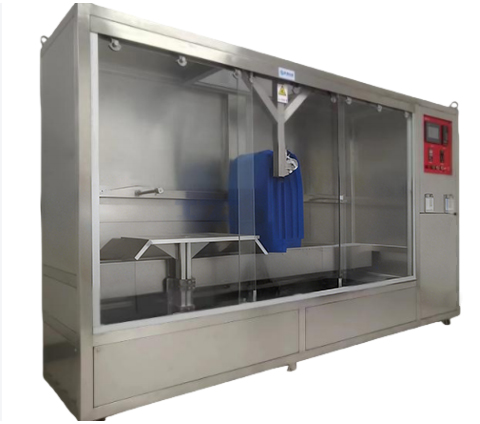
Testing Principle of the Automotive Wash and Friction Testing Bench
The core advantage of the Automotive Wash and Friction Testing Bench is its ability to reproduce real commercial automatic car wash conditions on a 1:1 basis, effectively overcoming the limitations of traditional testing methods, such as simplified test conditions and inaccurate evaluation results.
The system uses a servo motor-driven test platform to achieve smooth reciprocating movement, simulating the vehicle's traveling process through an automatic car wash station. The platform operates at a precisely controlled standard speed of 5.0 ± 0.2 m/min. Combined with a specially designed detachable brush assembly that continuously contacts and rubs against the specimen surface, the equipment accurately recreates the actual wear conditions in automatic car washing, including brush friction with water, cleaning agents, and abrasive contaminants such as sand particles.
During testing, two sets of 316 stainless steel spray nozzles spray the cleaning solution at a standardized angle of 65° under a constant pressure of 300 ± 50 kPa. The flow rate of each nozzle is precisely maintained at 2.2 ± 0.2 L/min, ensuring uniform spray coverage without dead zones.
The large-capacity 80 L water tank is equipped with an integrated mixing system that continuously maintains the uniform distribution of the cleaning medium. This prevents chemical precipitation and concentration variations, ensuring consistent washing conditions, controlled test variables, and a highly repeatable standardized testing environment.
After completion of the test, the durability performance of automotive coatings can be accurately evaluated by comparing changes in gloss, haze, color difference, and surface scratch conditions before and after testing. The system enables precise assessment of the wash resistance and abrasion resistance of original factory paint, repaired coatings, clear coats, and exterior decorative coatings, helping automotive manufacturers identify and eliminate potential quality issues before mass production.
Integrated Structural Design Ensuring Accurate and Stable Testing
The Automotive Wash and Friction Testing Bench adopts a 304 stainless steel integrated cabinet structure, offering excellent corrosion resistance and protection against water exposure. It is ideally suited for long-term wet-cycle testing, providing extended service life and stable operating performance under demanding test conditions.
The chamber is equipped with three independent transparent sliding doors, allowing real-time observation of the testing process while effectively preventing liquid splashing, achieving a balance between operational safety and visual accessibility.
The bottom of the chamber features a V-shaped funnel drainage structure, enabling fast and complete water discharge while minimizing dirt accumulation. This design significantly reduces cleaning requirements and prevents residual contaminants from affecting test accuracy.
The test platform is optimized with an adjustable inclination angle, effectively reducing abnormal brush wear caused by repeated reciprocating movement and lowering consumable costs. Multiple mounting holes are reserved on the platform, allowing flexible installation of various paint panels and exterior automotive components. With customized fixtures, different specimens can be securely mounted, providing excellent adaptability for diverse testing applications.
The equipment adopts a water-electricity separation design combined with a top waterproof shield to prevent liquid from entering the electrical control area and eliminate potential circuit failures. A dual travel limit switch system prevents excessive platform movement and collision, ensuring safe and reliable operation.
The brush assembly and spray nozzle components can be independently removed and replaced, simplifying maintenance procedures and reducing operating costs. The dual-nozzle staggered spraying design completely eliminates issues such as localized dry brushing and uneven spraying, ensuring consistent test conditions and highly accurate, repeatable test results.
Key Selection Considerations for Laboratory Automotive Wash and Friction Testing Bench
When selecting a laboratory Automotive Wash and Friction Testing Bench, several critical factors should be carefully evaluated to ensure testing accuracy, reliability, and long-term operational stability.
1. Compliance with Testing Standards
The equipment should strictly comply with relevant international testing standards to ensure that the test procedures, operating parameters, and evaluation methods are consistent with industry requirements. Standard-compliant equipment helps guarantee the authority, reliability, and comparability of test data.
2. Mechanical Structure and Material Quality
Main Structural Material
The main chamber structure should be manufactured from high-quality stainless steel to provide excellent corrosion resistance, mechanical strength, and long-term durability, especially under continuous wet-cycle testing conditions.
Observation Design
The test chamber door should adopt a transparent material with an independent sliding structure, allowing operators to observe the testing process in real time while maintaining safety protection.
Drainage Design
The bottom of the chamber is preferably designed with a V-shaped funnel drainage structure to facilitate efficient cleaning and rapid wastewater discharge while reducing residue accumulation.
Brush System
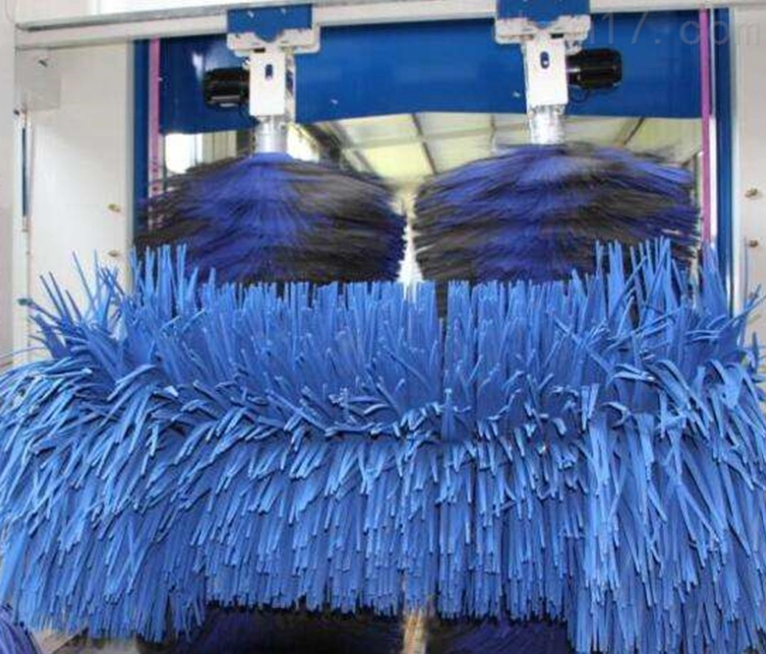
The brush assembly should feature a detachable design for convenient replacement and maintenance after wear. The two sides of the test platform should incorporate an optimized inclination angle to reduce additional brush wear caused by repeated platform movement.
3. Motion Control Accuracy
Drive System
The test platform should be driven by a servo motor system to ensure smooth, stable, and precise reciprocating movement.
Speed Control
The operating speed should be accurately adjustable. A typical operating speed is 5.0 ± 0.2 m/min, allowing the system to meet different testing requirements and operating cycles.
Safety Protection
The equipment should be equipped with a dual limit proximity switch system to prevent overtravel operation and protect the platform and mechanical components from collision damage.
Clearance Adjustment
The system should provide an adjustable mechanism for controlling the vertical clearance between the rotating shaft and the test platform, enabling compatibility with specimens of different thicknesses and heights.
4. Spray and Fluid Circulation System
Spray Nozzle Configuration
The equipment should be equipped with two left and right spray nozzles, preferably manufactured from 316 stainless steel. The standard spray angle is typically 65°.
Performance Parameters
Under a working pressure of 300 ± 50 kPa, the flow rate should be controlled at 2.2 ± 0.2 L/min. The spray nozzles should operate alternately, with the spray direction optimized relative to the platform movement direction to ensure uniform cleaning conditions.
Water Tank System
The large-capacity water tank should be equipped with automatic water replenishment, liquid-level control, and overflow protection functions. An internal mixing system is required to maintain uniform distribution of the cleaning solution and improve testing consistency.
The upper section should incorporate a waterproof shield to achieve effective separation between the water system and electrical components, preventing liquid splashing from damaging electronic parts.
5. Specimen Fixing and Compatibility
The test platform should be equipped with multiple threaded mounting holes to support customized fixtures according to different specimen dimensions. This ensures secure specimen fixation without displacement during testing.
The equipment should also support various sizes of paint panels, automotive exterior components, and other test samples to meet diverse research and development requirements.
6. Brand Reputation and Technical Service
Priority should be given to equipment suppliers with strong market recognition and experience serving major automotive manufacturers. Buyers should also evaluate whether the supplier provides comprehensive services, including installation and commissioning, operator training, technical support, and after-sales maintenance, ensuring stable long-term operation of the equipment.
Operating Procedures of the Laboratory Automotive Wash and Friction Testing Bench
1. Installation of the Washing Brush Rotor
Use the dedicated bolts to securely install the automotive washing brush rotor onto the rotating shaft of the testing bench. Ensure that the rotor is firmly fixed without looseness or misalignment, providing stable rotation and consistent brushing performance during subsequent testing.
2. Adjustment of Equipment Clearance Parameters
Precisely adjust the vertical distance between the circumferential edge of the washing brush rotor and the test platform surface. The clearance should be set and maintained at the standard value of 100 mm to meet the requirements of the testing procedure.
3. Preparation of Circulating Cleaning Solution
According to the specified testing requirements, add the appropriate cleaning agent into the equipment’s circulating water tank. Start the built-in mixing system to ensure complete and uniform blending of the cleaning agent with water, maintaining consistent cleaning solution concentration and standardized test conditions.
4. Specimen Installation
Secure the automotive components or coating sample panels to be tested onto the equipment fixture platform. Ensure that the specimens are firmly mounted and remain stable without displacement or vibration throughout the testing process.
5. No-Load Trial Operation
Before conducting the formal test, start the equipment for no-load operation. Perform a comprehensive inspection of the operating conditions of the rotating system, spray system, mixing system, and other functional components. Confirm that the equipment operates normally and maintains stable working conditions.
6. Conducting the Formal Wash and Friction Test
After confirming that both the equipment and specimens are properly prepared, set the required test parameters according to relevant industry standards. Start the system to perform the automatic brush washing, spray circulation, and friction cleaning test process.
7. Specimen Inspection and Performance Evaluation
After the test is completed, remove the specimens and conduct professional evaluation by comparing the surface conditions before and after testing. The assessment should focus on key indicators such as scratch severity, gloss variation, haze change, and color difference to determine the coating durability performance.
In summary, the Laboratory Automotive Wash and Friction Testing Bench can accurately reproduce real automatic car washing conditions and provide standardized evaluation of automotive coating resistance to washing friction. The testing process is stable, controllable, and repeatable, while the evaluation results are objective and reliable. The system helps manufacturers identify coating performance weaknesses, optimize coating processes, and ensure long-term appearance retention and durability of automotive surfaces.
Previous: What is a geomembrane stress crack resistance tester?
N e x t : the last page
