





Why Is Drop Hammer Impact Testing Important for Pipes?
2026/09/18
Share:

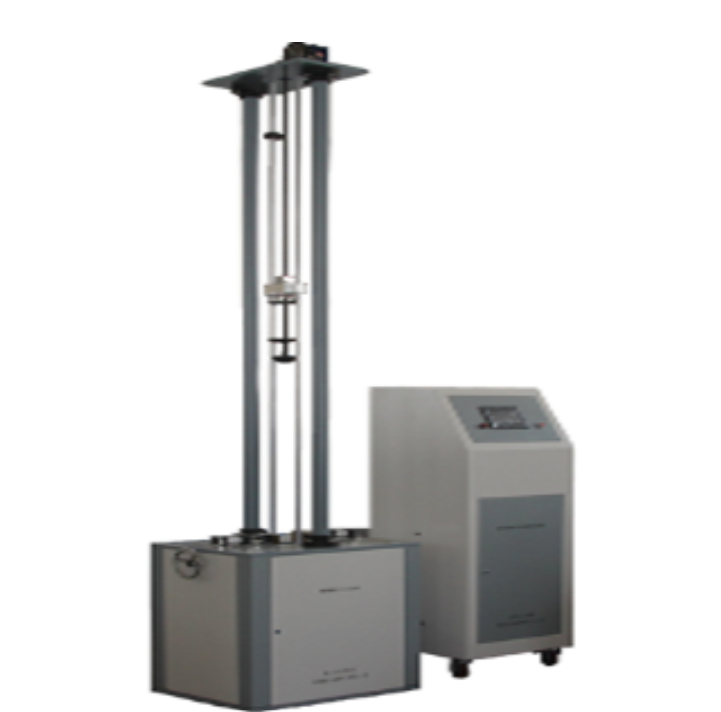
Why Is Drop Weight Impact Testing Necessary for Pipes
The primary purpose of pipe drop weight impact testing is to simulate sudden external impacts that pipes may encounter during transportation, installation, and service. The test evaluates whether pipes will fracture, crack, or sustain damage under high-speed impact, thereby determining whether their impact resistance, toughness, and overall quality meet the specified requirements.
In practical applications, pipes often face various unexpected impacts: accidental collisions during loading and unloading, being struck by stones during backfilling operations, or becoming brittle at low temperatures and subsequently experiencing impact. These are not gradual compressive loads but sudden impact forces. If a pipe cannot withstand such forces, it may develop cracks that reduce its service life or, in more severe cases, rupture directly, resulting in water or gas leakage and even damage to cables. Drop weight impact testing evaluates this ability to withstand sudden impact by allowing a weight to fall freely from a specified height and strike the test specimen, providing a direct assessment of whether the pipe can withstand the impact and the type of damage it sustains.
Specifically, the necessity of this test is reflected in the following aspects:
1. Ensuring Engineering Safety and Service Reliability
Preventing the Use of Damaged Pipes in Underground Installation: During long-distance transportation and handling, pipes may sustain internal or surface damage that is not visible to the naked eye. Conducting drop weight impact tests upon delivery or before installation can help identify performance deterioration and prevent potentially defective pipes from being buried underground.
Reducing the Risk of Leakage and System Failure: In water supply and drainage, gas distribution, and cable protection networks, pipe rupture can result in medium leakage or system malfunctions, directly threatening public safety. This test serves as an important quality control measure for reducing the risk of such incidents.
2. Quality Control and Compliance with Standards
An Essential Factory Inspection Requirement: Manufacturers incorporate drop weight impact testing into their factory quality inspection procedures to help identify and eliminate nonconforming products caused by raw material variations or manufacturing process deviations.
Supporting Market Access and Tendering Requirements: Drop weight impact test reports issued by third-party testing organizations may serve as important qualification documents in engineering tenders and procurement activities. Tendering parties may use such documentation to evaluate supplier compliance and product quality capabilities, depending on project requirements.
3. Supporting Research and Development and Process Optimization
During new product development, comparing the drop weight impact performance of pipes manufactured with different material formulations and mold designs helps engineers evaluate and select suitable solutions. The test also provides a scientific basis for material selection and manufacturing process improvements, contributing to enhanced product quality, impact resistance, and overall performance.
Technical Features of the Pipe Drop Weight Impact Tester
To ensure the accuracy and comparability of drop weight impact test results, the testing equipment itself must meet stringent technical requirements. These requirements primarily include the following:
1. Comprehensive Impact Energy Range
The equipment should provide multiple impact energy levels covering the requirements specified by the applicable standards for the pipes under test. This is typically achieved by using impact hammers of different masses and adjustable drop heights, allowing the tester to accommodate various types of pipes, from small-diameter, thin-walled pipes to large-diameter, thick-walled pipes.
2. Precise Drop Height Control and Measurement
Drop height is one of the key parameters used to calculate impact energy. The tester should feature a clear height scale, accurate lifting and positioning, and a flexible, reliable release mechanism to ensure consistent initial potential energy for each test.
3. Standardized Impact Hammer and Support Fixtures
The radius of the impact surface of the hammer, as well as the span and geometric configurations of the support fixtures, should comply with the requirements of the relevant testing standards. Even minor deviations can cause test results to differ from the actual performance of the pipe. Therefore, the mechanical machining accuracy of the equipment is of critical importance.
4. Safety Protection and Data Recording
The equipment should be equipped with a robust protective enclosure to prevent the hammer or specimen fragments from flying out and causing injury. Modern testing machines are often equipped with automatic lifting and release mechanisms, result determination functions (such as using photoelectric sensors to detect whether the specimen has been penetrated), and data recording capabilities. These features help reduce human operating errors, improve testing efficiency, and enhance the level of automation.
Future Development Trends
With the continuous advancement of material technology and the expansion of pipe applications, performance requirements for pipes are becoming increasingly diverse and refined. This, in turn, places new demands on testing equipment. In the future, drop weight impact testers are likely to advance further in testing accuracy, automation, data integration and analysis, and integration with online inspection systems on production lines, enabling more efficient and intelligent approaches to improving pipe quality.
As a key piece of equipment in pipe quality inspection systems, the Drop Weight Impact Tester provides accurate and reliable testing capabilities throughout every stage, from research and development and manufacturing to quality control. Through objective test data, it helps manufacturers gain insights into product performance, optimize production processes, and ultimately deliver safer and more durable pipe products to the market. It also provides fundamental technical support for the sustainable and reliable development of related industries.
Previous: How Does a Safety Helmet Lateral Rigidity Tester Evaluate Helmet Strength?
N e x t : the last page
