





What is the purpose of the aluminium foil test?
2026/09/20
Share:

Pinholes: Potential Hazards and the Necessity of Inspection
Aluminum foil pinholes are microscopic through-thickness defects formed during the rolling, lamination, or subsequent processing of aluminum foil. Although the area of an individual pinhole is extremely small, its potential impact should not be underestimated:
Barrier Failure: Pinholes compromise the continuity of the aluminum foil, allowing external oxygen and moisture to penetrate. This can accelerate the oxidation, hydrolysis, or deliquescence of pharmaceutical products, potentially shortening their shelf life.
Microbial Contamination: Pinholes may provide potential pathways for microorganisms such as bacteria and fungi, increasing the risk of pharmaceutical contamination.
Light Penetration: Certain pinholes may allow light to pass through and contribute to the degradation of photosensitive drugs, affecting their efficacy.
Scientific Principle, Efficient Detection
The operating principle of the Aluminum Foil Pinhole Detector is based on the light-transmitting properties of pinholes in aluminum foil.
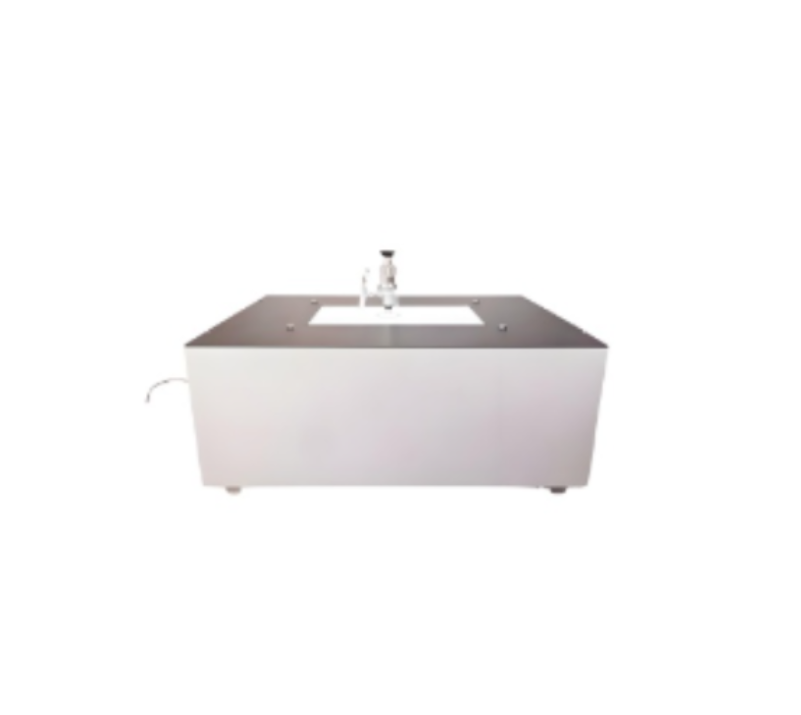
Under a standard light-box light source and specified ambient lighting conditions, pinholes become visible as light passes through them. Using the microscope and dedicated observation device equipped with the instrument, operators can quickly locate pinholes and measure their dimensions with a high-precision scale. The entire process is simple to operate and provides intuitive results, significantly improving inspection efficiency.
Compared with traditional manual inspection methods, this approach not only reduces human error but also supports data traceability through systematic design, providing a scientific basis for quality management within enterprises.
Applicable Industries and Use Cases
1. Pharmaceutical Manufacturing Companies
Incoming inspection of pharmaceutical PTP aluminum foil materials and quality control of finished products before shipment. Supports GMP documentation and recordkeeping, helps screen out nonconforming packaging materials, and reduces potential quality risks associated with pharmaceutical packaging.
2. Aluminum Foil Manufacturers
Outgoing inspection of aluminum foil rolls to control rolling process quality, distinguish between standard-grade and high-precision aluminum foil, and identify and reject batches with pinhole counts exceeding specified limits.
3. Pharmaceutical Inspection Institutes and Third-Party Testing Laboratories
Designed with reference to YBB pharmaceutical packaging material standards, the tester can be used for arbitration testing of submitted samples, supporting compliant and valid test reports.
4. Food Packaging Manufacturers
Pinhole integrity inspection of aluminum foil and laminated aluminum foil used for food packaging, helping ensure the oxygen-barrier and moisture-resistance performance of food packaging materials.
Core Advantages of the Aluminum Foil Pinhole Tester
1. High-Precision Optical Inspection for Detailed Visualization
The Aluminum Foil Pinhole Tester is equipped with a dedicated pinhole observation device, featuring a 100× objective magnification and a minimum measurement graduation of 0.01 mm, enabling clear visualization of microscopic pinhole characteristics. Whether counting pinholes or accurately measuring their dimensions, the instrument provides high-resolution data support to ensure reliable inspection results.
2. Wide Observation Area for Versatile Applications
The instrument features an observation area of 400 × 250 mm, meeting the inspection requirements of aluminum foil, copper foil, and coated materials in various specifications. Whether used for small-batch laboratory analysis or large-scale quality sampling inspections on production lines, it delivers efficient performance across different applications.
3. Stable Environmental Adaptability and Convenient Operation
To ensure inspection accuracy, the instrument is designed with environmental factors in mind. The recommended ambient illuminance is 20–50 lux, and the equipment is fitted with a 30 W light source to provide uniform illumination with minimal interference. It supports an operating temperature range of 15–50°C and a relative humidity of ≤80%, making it suitable for a variety of practical operating environments. The universal 220 V, 50 Hz power supply further enhances its portability and compatibility.
4. Compliance with Multiple Industry Standards
The Aluminum Foil Pinhole Tester is designed in strict reference to multiple industry standards, providing inspection results with recognized reliability and broad applicability. It meets compliance requirements across industries such as pharmaceuticals, food packaging, and electronics.
Conclusion
Although aluminum foil pinholes are extremely small, they have a direct impact on the most critical barrier properties of pharmaceutical packaging. With the implementation of new standards, the use of professional and standardized Aluminum Foil Pinhole Testers for quality control has become a widely recognized practice in the pharmaceutical industry.Through scientific testing, manufacturers can identify process defects in a timely manner and optimize production parameters. This not only helps ensure that products meet regulatory requirements but also provides patients with safer and more reliable pharmaceutical packaging.In the future, as testing technologies become increasingly intelligent, Aluminum Foil Pinhole Testers will play an even more important role in enhancing pharmaceutical packaging quality traceability systems.
Previous: Why Is a Moving Die Rheometer Important for Rubber Vulcanization Testing?
N e x t : the last page
