





Why Is Scrub Resistance Testing Important?
2026/09/22
Share:

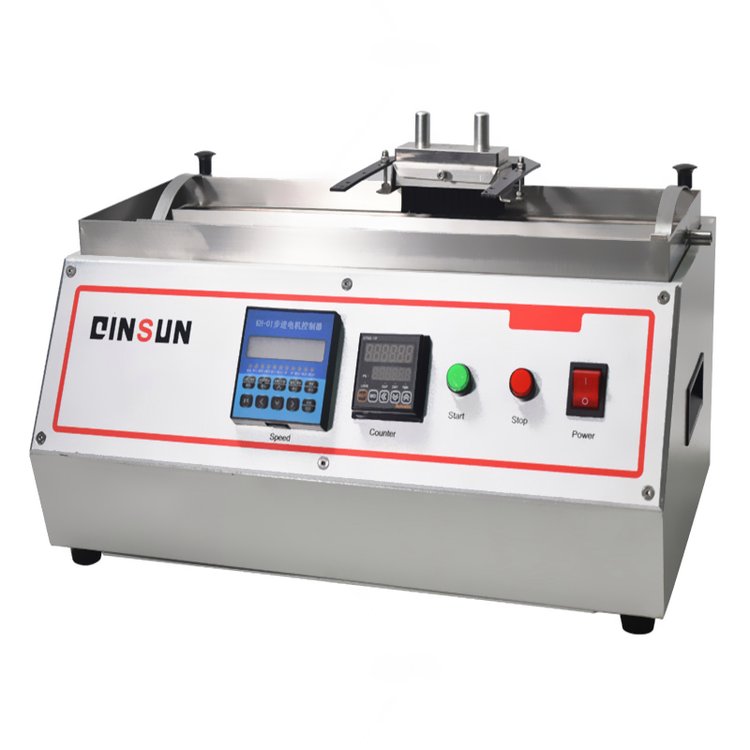
Working Principle: Accurately Simulating Daily Cleaning
The core principle of the Scrub Resistance Tester is simulation—that is, using standardized mechanical movements to reproduce the scrubbing actions encountered during daily cleaning as realistically as possible under laboratory conditions. The instrument is driven by a motor that moves a friction head, such as a nylon brush, bristle brush, or sponge, back and forth in a straight line across the specimen surface, simulating the repeated wiping motions of manual cleaning.
To ensure the repeatability and comparability of test results, the instrument precisely controls three key variables during operation: applied pressure, stroke length, and reciprocating frequency. These three parameters directly determine the mechanical force applied to the coating surface during each scrubbing cycle and are therefore critical factors affecting test accuracy.
At the same time, the system automatically dispenses the specified cleaning medium, such as clean water or soap solution at a specific concentration, keeping the specimen surface continuously wet to simulate cleaning under humid conditions.
By incorporating the combined effects of mechanical friction and liquid media into the same testing process, the Scrub Resistance Tester can more comprehensively reproduce the conditions that materials encounter during actual use, providing reliable experimental data for evaluating the wear resistance of coated surfaces.
Why Is the Scrub Resistance Tester Important
In daily life, whether it is the clean white walls in homes, glossy furniture finishes, or floor coatings in public spaces, surface materials are frequently exposed to cleaning and maintenance. As a key instrument for evaluating a material's ability to withstand repeated scrubbing, the Scrub Resistance Tester is important not only for laboratory data collection but also for product service life, consumer experience, and the standardization of the industry.
1. Simulating Real-World Conditions and Quantifying Durability
The core value of the Scrub Resistance Tester lies in its ability to closely reproduce real-world cleaning actions. A motor drives the brush head to reciprocate across the specimen under specified pressure, speed, and stroke conditions, together with a cleaning medium such as soapy water or detergent. This mechanical action simulates the process of removing stains with a cloth or brush during daily cleaning.
Without this instrument, the assessment of whether a coating is "scrub resistant" would largely depend on subjective experience, resulting in unclear evaluation criteria. The Scrub Resistance Tester converts this subjective experience into a precise cycle-count indicator, namely the number of scrubbing cycles the coating withstands before it is worn through and the substrate becomes exposed. This data provides an objective and quantitative basis for evaluating the wear life and adhesion performance of the material.
2. Controlling Product Quality and Optimizing Formulations
For manufacturers, the Scrub Resistance Tester is an effective tool for quality control and product development. During the R&D of coatings, paint films, and surface treatment materials, engineers may continuously adjust the types of emulsions, pigment-to-filler ratios, and additives. Test results from the instrument allow R&D teams to quickly identify potential weaknesses in a formulation.
For example, a low number of scrub cycles may indicate insufficient film-forming material toughness or an unsuitable pigment-to-binder ratio.
With the precise data provided by the instrument, manufacturers can optimize formulations in a targeted manner and improve the compactness and crosslinking density of the coating film, helping develop higher-quality and more durable products. This not only reduces after-sales risks caused by quality issues but also strengthens product competitiveness in the market.
3. Establishing Industry Standards and Supporting Fair Trade
The Scrub Resistance Tester is an important tool for implementing applicable domestic and international standards. It provides the industry with a unified and objective evaluation method.
In commercial transactions, differences in the understanding of product performance may sometimes lead to disputes between buyers and sellers. Test reports issued by third-party testing organizations using standardized scrub resistance testers can help reduce information asymmetry and support fairer transactions.
For consumers, the standards behind this type of testing provide an important reference for product quality. Interior wall coatings with high scrub resistance are generally easier to clean and less prone to powdering or peeling, helping maintain a clean and attractive surface over long-term use. In engineering acceptance, scrub resistance can also serve as an important criterion for determining whether materials meet applicable requirements and are suitable for delivery and use.
Standardized mechanical scrubbing also minimizes the influence of variations in manual operating force and speed, ensuring that tests are conducted under consistent conditions. When the coating surface becomes damaged, the substrate is exposed, or a predefined degree of wear is reached, the automatically recorded number of cycles can be used as an indicator of the material's scrub resistance. In general, a higher cycle count indicates a stronger ability to withstand mechanical abrasion and better durability.
Conclusion
Overall, the Scrub Resistance Tester is more than a laboratory testing instrument. It serves as a bridge between product development and real-world applications. By evaluating material durability through rigorous and quantitative data, it helps manufacturers optimize formulations and improve product quality while providing consumers with a scientific basis for selecting durable products.As the demand for higher-quality living environments continues to grow, this seemingly simple testing instrument plays an important role in helping ensure the long-term performance and appearance of surface materials.
Previous: What Does a Protective Clothing Thermal Conductivity Tester Evaluate?
N e x t : the last page
