





How does the heat flow meter method measure thermal conductivity?
2026/09/28
Share:

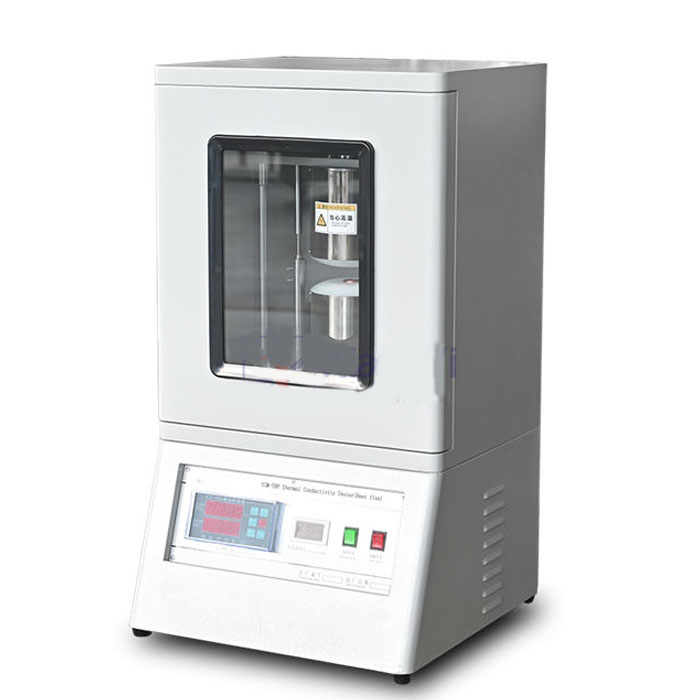
Working Principle of the Benchtop Thermal Conductivity Tester Using the Heat Flow Method
The core principle of the Heat Flow Method Thermal Conductivity Tester is based on Fourier's law of heat conduction. Under steady-state conditions, the instrument establishes a constant temperature difference between the two sides of the specimen, causing heat to transfer unidirectionally from the high-temperature side (hot plate) to the low-temperature side (cold plate). Once the system reaches thermal equilibrium, the heat flux passing through the specimen is measured using a high-precision heat flow sensor. The thermal conductivity of the material can then be calculated based on the specimen thickness and the temperature difference between its two sides.
Compared with transient methods, the heat flow method is a steady-state testing technique. Its advantages include lower sensitivity to boundary conditions and high data stability. Modern benchtop instruments typically use a servo motor or precision-controlled motor to apply pressure automatically, ensuring close contact between the specimen and the testing surfaces and effectively reducing interfacial thermal contact resistance. In addition, the instrument is equipped with a multi-point temperature gradient measurement system and automatic cold-side compensation technology, which further minimizes the effects of fluctuations in ambient temperature on measurement accuracy and helps keep measurement errors within a low range, typically better than ±3%.
Key Features and Advantages of the Equipment
High Level of Automation
The instrument integrates a PLC control system with an embedded industrial computer to achieve fully automated temperature control, pressure application, thickness measurement, and data acquisition. Users can monitor the testing process in real time through a graphical interface, while analysis reports can be generated automatically. This significantly reduces the workload associated with manual operation and minimizes human-induced errors, thereby improving testing efficiency and data traceability.
Wide Testing Range
The typical thermal conductivity testing range covers 0.01–50 W/(m·K), while some high-end models support a high-conductivity mode that can extend the measurable range further. The instrument also offers excellent adaptability to different specimen thicknesses, allowing the testing of materials ranging from micrometer-scale films to boards several tens of millimeters thick. It can meet the testing requirements of materials ranging from low-conductivity thermal insulation materials to highly conductive materials such as metals and graphite, providing versatile testing capabilities in a single instrument.
Multifunctional Integration
In addition to conventional thermal conductivity testing, the instrument can also perform thermal resistance testing, interfacial thermal contact resistance analysis, and thermal resistance curve measurements under different applied pressures. These functions meet diverse research and development requirements and are particularly suitable for comprehensive multi-parameter evaluation in material research, quality inspection, and process optimization.
Compact Structure
The benchtop integrated design occupies minimal space and is suitable for placement on laboratory workbenches. It does not require a complex external cooling-water circulation system; some models feature a built-in cooling system or can be equipped with a compact thermostatic bath. The equipment is easy to install and maintain, reducing requirements for laboratory infrastructure and making deployment more flexible and convenient.
Main Application Areas of the Benchtop Thermal Conductivity Tester Using the Heat Flow Method
The Benchtop Thermal Conductivity Tester Using the Heat Flow Method is widely used to evaluate the thermal properties of various solid sheet, paste, and powder materials. With its high level of automation, wide testing range, multifunctional integration, and compact design, the instrument plays an important role in a wide range of industries.
Electronics and Electrical Industry
The instrument is used to measure the thermal conductivity and interfacial thermal contact resistance of thermally conductive silicone grease, thermal silicone pads, thermal conductive adhesive tapes, aluminum substrates, copper-clad laminates, and ceramic insulating materials such as beryllium oxide ceramics and alumina ceramics. These measurements help optimize heat dissipation and thermal management in electronic devices, providing essential thermophysical data for chip packaging, circuit board design, and reliability verification of electronic products.
Building Insulation Materials
The tester is used to evaluate the thermal conductivity of insulation and thermal insulation materials such as foam plastics, mineral wool, and glass wool. It meets the testing requirements associated with building energy-efficiency standards and provides a scientific basis for building material selection, energy-efficient design, and product quality control.
New Energy and Automotive Industry
The instrument is used to test the heat transfer characteristics of thermal insulation materials for power batteries and lightweight composite materials used in new energy vehicles. The test results help optimize the thermal insulation and heat dissipation design of battery thermal management systems, improve the safety and service life of power batteries, and provide thermal performance references for the development of lightweight automotive body materials.
Special Materials Research and Development
The tester can be used for the thermophysical characterization of advanced materials such as ultra-thin glass, including substrates for foldable displays, as well as graphite sheets and aerogels. By meeting the requirements of various testing standards, it supports application research and industrial development of advanced materials in fields such as electronic information technology, new energy, and aerospace.
Conclusion
Overall, the Benchtop Thermal Conductivity Tester Using the Heat Flow Method demonstrates significant application value in electronics and electrical engineering, building insulation, new energy and automotive applications, and special materials research and development. With its high level of automation, wide testing range, multifunctional integration, and compact design, it is a versatile and practical instrument for thermal performance evaluation.For more information about the product, please feel free to contact us. We can provide detailed technical specifications and application support based on your specific testing requirements.
Previous: Do Multi-Axis Tests Better Match In-Service Performance?
N e x t : the last page
