





What is an infusion pump flow rate tester?
2026/11/02
Share:

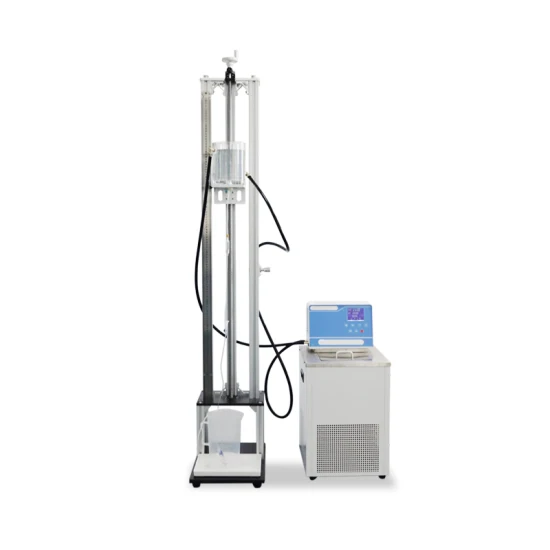
Core Components and Functions of the Infusion Set Flow Rate Tester
Flow Rate Sensor
As the core component of the tester, the flow rate sensor continuously monitors the liquid flow rate within the infusion set.
It detects the liquid flow condition through physical or electronic methods, such as differential pressure, ultrasonic sensing, or laser Doppler technology, and converts the flow rate signal into an electrical signal.
Sensor accuracy directly affects the reliability of test results. Therefore, the sensor must provide high sensitivity and strong resistance to interference.
Data Acquisition Unit
The data acquisition unit receives electrical signals transmitted by the flow rate sensor and performs analog-to-digital conversion (ADC) and preliminary processing.
It applies filtering, amplification, and calibration to the flow rate data to eliminate noise and measurement errors.
The processed data is then transmitted to the display or storage unit for subsequent analysis.
Display
The display provides real-time readings of key parameters, including infusion flow rate, cumulative volume, and test duration.
Some advanced models are equipped with touchscreen interfaces or graphical displays that support data curve plotting and historical record retrieval.
Key Technical Features of the Infusion Set Flow Rate Tester
High-Precision Measurement
The instrument uses micro-flow sensors, such as thermal mass flow meters, with a resolution of up to 0.01 mL/h, meeting clinical monitoring requirements for low flow rates, such as those encountered in pediatric infusion therapy.
Temperature compensation and pressure correction technologies are employed to minimize the influence of environmental factors on measurement results.
Automation and Intelligent Operation
The tester supports automatic calibration, allowing sensor accuracy to be periodically verified using standard flow sources, such as syringe pumps, thereby reducing manual intervention.
It also features data storage and export capabilities and can generate test reports in formats such as PDF or CSV to support medical quality management requirements.
Multi-Mode Testing
The instrument can simulate different infusion conditions, including gravity infusion and pressure-assisted infusion, to evaluate flow rate stability under dynamic pressure conditions.
It also supports batch testing, allowing multiple infusion sets to be connected and tested simultaneously, thereby improving testing efficiency.
Application Scenarios and Significance of the Infusion Set Flow Rate Tester
Clinical Applications
The tester is used to monitor flow rates during infusion therapies involving antibiotics, nutritional solutions, blood products, and other medical fluids, ensuring that medications are administered at their prescribed rates.
During surgical procedures, emergency treatment, and resuscitation, it enables rapid verification of infusion set performance, helping prevent treatment delays caused by abnormal flow rates.
Quality Control
Infusion set manufacturers use the tester for finished product inspection to ensure that their products comply with applicable industry standards, such as ISO 8536-4.
Medical institutions also conduct periodic inspections of infusion sets in service to prevent flow rate deviations caused by aging or damage.
Safety Assurance
Real-time flow rate monitoring helps prevent medical incidents caused by excessively high infusion rates, which may contribute to pulmonary edema, or excessively low rates, which may compromise therapeutic effectiveness.
When integrated with an alarm system, the tester can promptly alert healthcare personnel to adjust infusion parameters, thereby improving patient safety.
Conclusion
The infusion set flow rate tester achieves precise flow measurement through a closed-loop process of sensor monitoring, data acquisition, analysis, and display.Its core value lies in translating fluid dynamics principles into quantifiable medical indicators, providing technical assurance for the safety and effectiveness of infusion therapy.With the continuous advancement of medical technology, infusion set flow rate testers are evolving toward higher measurement accuracy and greater intelligence, becoming indispensable quality control instruments in modern healthcare systems.
Previous: How does a catheter burst pressure tester work?
N e x t : the last page
