





What are the functions of a catheter sliding performance tester?
2026/11/03
Share:

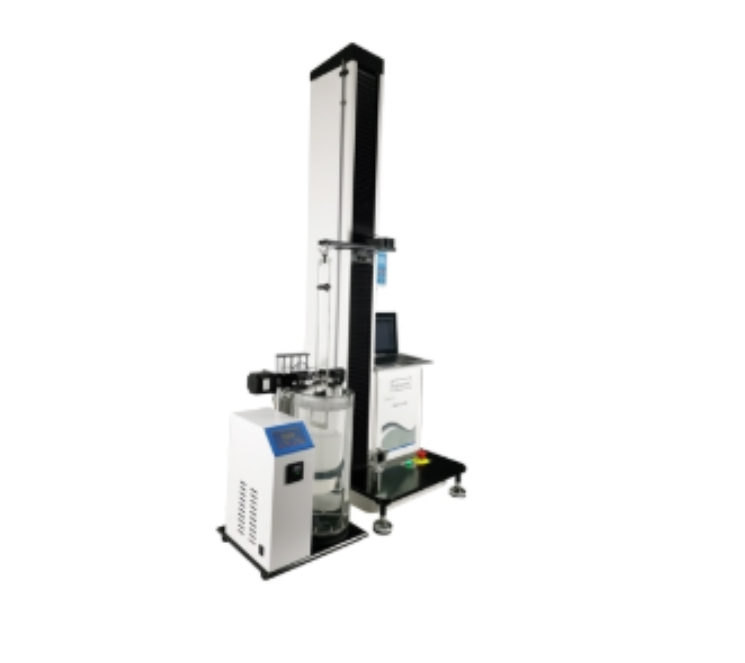
Core Working Principle of the Catheter Sliding Performance Tester
The core principle of the Catheter Sliding Performance Tester is based on biomimetic simulation. Since hydrophilic-coated catheters exhibit relatively high friction in the dry state and only form a lubricating layer after contact with bodily fluids, testing must be conducted in a specific liquid environment.
The instrument is typically equipped with a high-precision thermostatic water bath system capable of maintaining the temperature of the test medium, usually deionized water or simulated body fluid, at approximately 37°C to accurately reproduce the internal temperature of the human body.
During testing, catheter or guidewire specimens must be fully immersed in water to ensure that the hydrophilic coating is completely hydrated and activated. Subsequently, one end of the specimen is secured using a dedicated clamping device, while the other end passes through a friction assembly consisting of a silicone rubber sheet of specified hardness and a polyurethane surgical membrane.
Driven by a servo motor, the catheter moves through the clamping assembly at a constant speed. A high-precision force sensor continuously captures variations in resistance during the sliding process, thereby generating a complete friction force–displacement curve.
Functions and Features of the Catheter Sliding Performance Tester
1. Multiple Simulated Environments
The tester incorporates multiple simulated environments that can be flexibly selected according to actual testing requirements. These include the simulation of different blood vessel diameters, inner-wall friction coefficients, and blood flow velocities, enabling comprehensive simulation of the actual movement of catheters within the human body under various complex conditions.
2. Precise Measurement System
The tester is equipped with a high-precision measurement system capable of monitoring catheter sliding performance in real time. The collected data are promptly transmitted to a computer for in-depth analysis and processing, ensuring the accuracy and reliability of test results.
3. Diverse Testing Functions
In addition to basic sliding performance testing, the tester also supports multiple testing functions, including catheter bending performance and tensile resistance testing. These functions provide clinicians with more comprehensive and detailed catheter performance data, further ensuring the safety and effectiveness of surgical procedures.
4. User-Friendly Operating Interface
The tester features a simple and intuitive human-machine interface, making operation convenient and straightforward. Even users without specialized technical experience can operate the instrument with ease.
In addition, the tester is equipped with a large display screen for convenient viewing of test results, thereby improving work efficiency.
5. High Stability and Durability
The tester adopts advanced manufacturing processes and high-quality components, offering excellent stability and durability. It can withstand various demanding operating environments and ensure long-term stable operation.
Through these functions, the Catheter Sliding Performance Tester provides manufacturers with a comprehensive and accurate means of evaluating catheter sliding performance, ensuring product quality and safety.
Application Scenarios and Value of the Catheter Sliding Performance Tester
The Catheter Sliding Performance Tester plays an important role throughout the entire lifecycle of medical device products.
1.Research and Development Stage
The tester helps engineers compare the lubrication performance of different coating formulations, curing processes, and substrate surfaces. It supports product design optimization and enables the selection of solutions with lower friction coefficients and smoother sliding characteristics.
2.Raw Material Quality Control
The tester is used for incoming inspection of purchased guidewire substrates and coating materials, helping manufacturers ensure quality consistency at the source.
3.Finished Product Quality Inspection
According to applicable standards, representative samples from each production batch are tested to ensure that the sliding performance of products released to the market remains consistent and complies with relevant requirements, thereby reducing risks associated with clinical use.
4.Product Registration and Third-Party Testing
The tester provides traceable and reproducible original test data and reports, meeting the stringent requirements of regulatory authorities for type testing data during medical device registration and evaluation. It also provides third-party testing institutions with an objective and reliable basis for assessment.
Conclusion
In conclusion, the Catheter Sliding Performance Tester is not merely a benchmark for evaluating the physical performance of medical devices; it is also an important technical tool for ensuring patient safety during surgical procedures and enhancing the competitiveness of domestically manufactured interventional medical devices.With the continuous development of minimally invasive technologies, requirements for the accuracy, intelligence, and multifunctional integration of such testing equipment will continue to increase.
Previous: What is the operating procedure for the guidewire tip flexibility tester?
N e x t : the last page
