





How does a syringe needle flow tester work?
2026/11/04
Share:

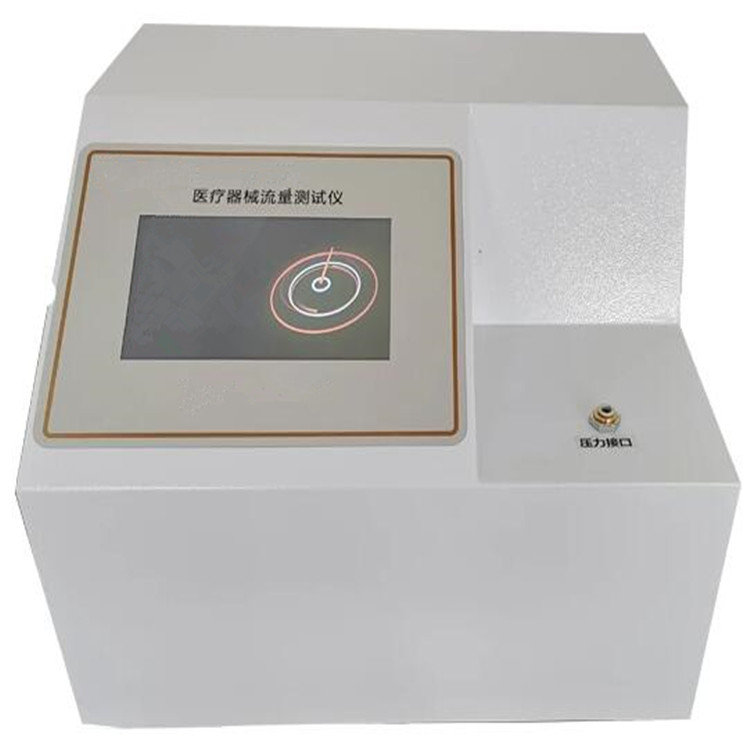
Core Principle of the Syringe Needle Flow Rate Tester
The Syringe Needle Flow Rate Tester is an advanced instrument specifically designed to measure the flow rate of syringe needles. Its working principle is to calculate the precise flow rate by measuring the total amount of liquid discharged through the syringe needle within a specified time period. The structure of this type of tester generally includes the following key components:
1. Main Testing Unit: As the core component of the tester, the main testing unit typically integrates a highly accurate weighing system and a comprehensive control system. The weighing system is designed to measure the weight of the liquid discharged through the syringe needle, while the control system is responsible for controlling test initiation, pausing, and data collection.
2. Syringe Fixing Device: This device securely holds the syringe needle to ensure that it remains stable throughout the testing process without easily shifting or tipping over. The syringe needle is connected to the main testing unit through this device, facilitating the smooth transfer of discharged liquid into the weighing system.
3. Flow Meter: The flow meter is primarily used to accurately measure the liquid flow velocity. Its measurement methods generally employ ultrasonic or optical principles. During testing, the flow meter continuously monitors the volume of liquid discharged through the syringe needle and transmits the obtained data to the control system.
4. Control System: The control system plays an important role and is primarily responsible for controlling test initiation, pausing, and data collection. During testing, the control system accurately calculates the actual flow rate of the syringe needle based on the data provided by the flow meter and stores the results in the test report.
Operating Procedures for the Syringe Needle Flow Rate Tester
The operating procedures of the Syringe Needle Flow Rate Tester generally include the following steps:
1. Preparation Stage
Equipment Inspection: Ensure that the tester is in good working condition and check whether all accessories are complete, without damage or missing components. For example, check whether the flow meter, pressure gauge, display screen, and other components are functioning and displaying normally, and whether the syringe needle testing fixture can flexibly secure the injection needle.
Injection Needle Selection and Cleaning: Select an injection needle that meets the required specifications according to the testing requirements and ensure that it is clean and free from contamination. If there are impurities or residual drugs on the surface of the injection needle, they may affect the accuracy of the test results.
2. Connection Stage
Connection Tube Installation: Connect the injection needle to the connecting tube of the tester, ensuring that the connection is secure and free from air leakage. Appropriate tools, such as clamps or threaded locking devices, may be used to assist with the connection to prevent liquid leakage or pressure instability caused by loose connections during testing.
3. Parameter Setting
Equipment Startup: Turn on the power switch of the tester and wait for the equipment to complete its self-checking program before entering the test interface.
Parameter Setting: Set parameters such as the magnitude and direction of the applied pressure according to the testing requirements. Different injection needle specifications and testing standards may require different pressure settings. For example, injection needles with smaller diameters may require lower pressure to simulate actual usage conditions, while injection needles with larger diameters may require higher pressure. Meanwhile, ensure that the pressure direction is consistent with the injection direction of the needle.
4. Test Initiation
Program Startup: After completing the parameter settings, start the testing program. At this point, the tester will begin applying pressure according to the preset parameters to drive liquid through the injection needle.
Observation and Recording: Observe the deformation of the injection needle under the applied pressure and record the relevant data. The deformation of the injection needle may affect its flow performance, so careful observation is required. Meanwhile, the display screen of the tester will show real-time data such as flow rate and pressure values. Operators should record these data promptly for subsequent analysis.
Environmental Control: Maintain a stable testing environment and avoid external interference that may affect the test results. For example, avoid conducting tests in environments with strong wind, vibration, or significant temperature fluctuations, as these factors may affect liquid flow and pressure stability.
5. Result Evaluation
Data Comparison: After the test is completed, compare the test data with the standard values. Standard values are generally established according to medical industry standards and specifications, and different injection needle specifications and applications may have different standard values.
Performance Evaluation: Evaluate whether the flow rate performance of the injection needle meets the requirements. If the test data fall within the standard value range, the flow rate performance of the injection needle is considered compliant. If the test data exceed the standard value range, the flow rate performance of the injection needle is considered problematic, and further inspection or adjustment may be required.
Conclusion
With the help of the Syringe Needle Flow Rate Tester, we can ensure that the flow rate of syringes during operation complies with relevant standardized specifications and requirements, thereby ensuring accurate drug dosage and helping maintain patients' health and safety.In addition, this tester can also be used for strict quality inspection of syringes and quality monitoring throughout the manufacturing process, significantly improving syringe product quality and operational stability.
Previous: What is a blood collection needle sheath resilience tester?
N e x t : the last page
