





What are the advantages of a vacuum blood collection tube suction volume tester?
2026/11/05
Share:

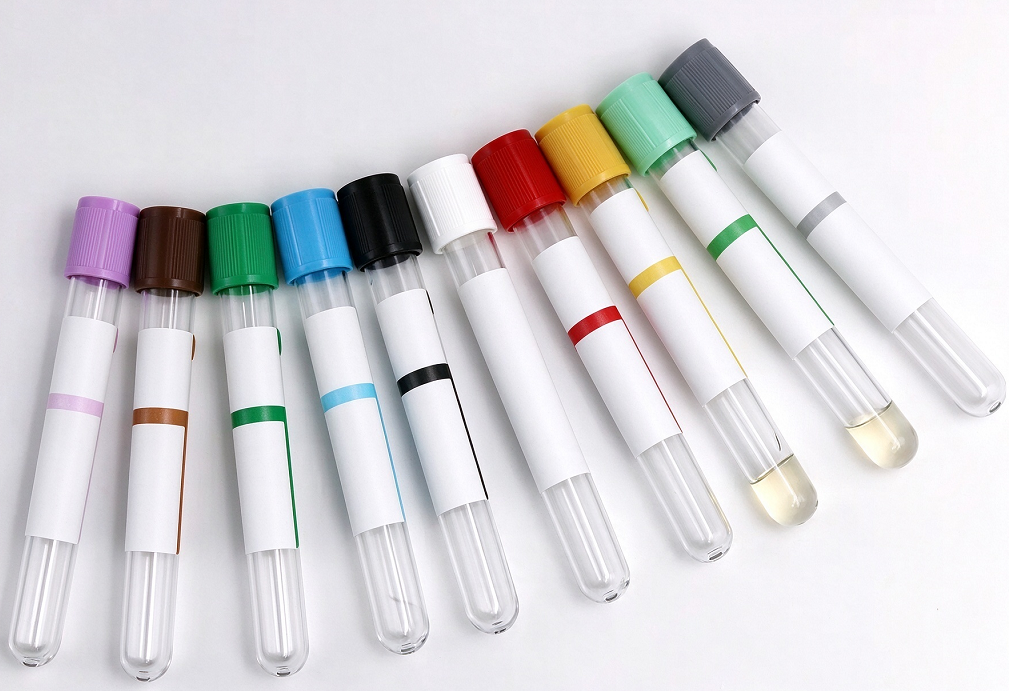
Working Principle: Accurately Reproducing Real-World Blood Collection Conditions in the Laboratory
Vacuum blood collection tubes automatically draw blood through a preset negative pressure inside the tube. The core principle of the tester is to reproduce this process under controlled laboratory conditions.
The instrument uses a precision pressure control system to establish a specific negative pressure environment inside the test chamber, simulating the pressure difference between human venous pressure and the vacuum level inside the blood collection tube.
During testing, a standard liquid, such as distilled water or simulated blood, is drawn into the blood collection tube under evaluation. Subsequently, a high-precision electronic balance measures the weight difference of the tube before and after liquid aspiration. The actual draw volume is calculated based on the mass difference and the liquid density.
Some advanced models also integrate atmospheric pressure compensation technology, enabling the simulation of low-pressure environments ranging from sea level to altitudes of 5.000 meters. This ensures that blood collection tubes maintain stable draw performance under different geographical and environmental conditions.
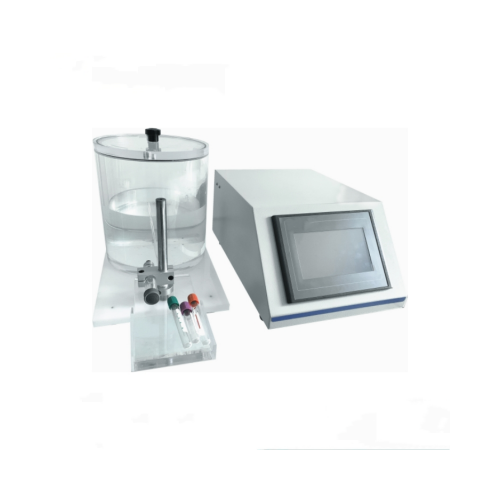
Key Advantages: Adapting to Evolving Standards While Ensuring Accuracy and Efficiency
To meet the medical industry's increasingly stringent requirements for testing accuracy and regulatory compliance, the Vacuum Blood Collection Tube Draw Volume Tester offers multiple key advantages, combining precision with efficiency.
1. High-Precision Core Performance
The instrument adopts a PLC industrial control system with a vacuum pressure control accuracy of 0.1 kPa. It can accurately reproduce dynamic pressure conditions within a range of 0–45 kPa, covering different altitude environments and meeting the requirements for high-altitude compliance verification.
Combined with an analytical balance with a resolution of 0.001 g, the instrument minimizes draw volume measurement errors and provides reliable data support for quality evaluation.
2. Fully Automated and Efficient Testing
The tester is equipped with a 7-inch HMI touchscreen with a graphical interface that simplifies operation.
It supports preset testing parameters and simultaneous testing of 1–6 blood collection tubes. The testing time for a single batch is no more than 3 minutes, and the testing throughput per shift can be increased by more than 50% compared with traditional methods.
After testing, the instrument automatically calculates deviations and generates test reports containing key parameters. The reports support Excel export and integration with Laboratory Information Management Systems (LIMS), meeting data traceability requirements.
3. Stable, Reliable Performance and Broad Compatibility
The tester features an extra-thick acrylic vacuum chamber combined with high-quality silicone sealing rings. After 100.000 cycles of testing, the leakage rate remains no greater than 0.1 kPa/h, ensuring a stable testing environment.
It is equipped with needle holders in multiple specifications to accommodate different models and capacities of blood collection tubes, covering various applications such as production quality inspection and clinical verification.
Some models also incorporate a self-cleaning system and require only periodic replacement of vacuum pump oil to maintain stable operation, resulting in low annual maintenance costs.
Experimental Procedure of the Vacuum Blood Collection Tube Draw Volume Tester
1. Environmental Conditions
The test should be conducted under standard atmospheric pressure conditions of 101 kPa and a temperature of 20°C ± 2°C.
If the environmental conditions deviate significantly from these requirements, corrections should be applied according to the relevant standard appendix.
2. Preparation of the Water Supply System
Connect the water reservoir to the tubing system, tighten the flow-control clamp, fill the reservoir with laboratory water, and use the clamp to fill the tubing completely.
3. Assembly of the Blood Collection Needle
Assemble the blood collection needle and needle holder according to the manufacturer's instructions.
4. Initial Weighing of the Blood Collection Tube
Place the blood collection tube to be tested on the electronic balance and record its tare weight or zero the balance.
5. Insertion of the Blood Collection Needle
Insert the blood collection needle into the tubing system, ensuring that the needle tip is fully positioned inside the lumen of the tubing.
6. Connection of the Blood Collection Tube
Connect the blood collection tube to the blood collection needle and needle holder assembly according to the manufacturer's instructions.
7. Initiation of the Draw Volume Test
Start the Vacuum Blood Collection Tube Draw Volume Tester and adjust the pressure inside the sealed chamber to the target value to simulate blood collection conditions.
Allow the blood collection tube to aspirate water for at least one minute, or until water stops flowing into the tube.
8. Final Weighing
Remove the blood collection tube after water aspiration and place it on the electronic balance again to record its final weight.
9. Calculation of Draw Volume
Calculate the draw volume based on the weight difference before and after aspiration.
When the density of water is approximately 1 g/mL under the applicable test conditions, the weight difference in grams is approximately equivalent to the draw volume in milliliters.
Precautions for Using the Vacuum Blood Collection Tube Draw Volume Tester
1. Strict Control of Draw Volume
The accuracy of blood collection tube draw volume has a significant impact on sample concentration, stability, and subsequent analytical results.
Therefore, the draw volume must be strictly controlled during testing to avoid deviations caused by excessive or insufficient aspiration.
2. Appropriate Selection of Blood Collection Tubes
Select suitable blood collection tube types and specifications according to the testing requirements.
Different brands and specifications of blood collection tubes may vary in material, dimensions, and performance. Selecting appropriate tubes helps ensure the accuracy and reliability of test results.
3. Compliance with Operating Procedures
Strictly follow the prescribed operating procedures throughout the testing process to minimize the influence of human factors on test results.
For example, when inserting the blood collection needle into the tubing, maintain proper vertical alignment and stability of the needle tip.
During aspiration, avoid the formation of air bubbles or leakage to ensure accurate and reliable measurements.
4. Regular Instrument Maintenance
Regularly maintain and service the Vacuum Blood Collection Tube Draw Volume Tester.
Maintenance activities include cleaning the instrument surface, checking the tightness of tubing connections, and replacing worn components.
These measures help maintain stable instrument performance and ensure the accuracy of test results.
Conclusion
Although the Vacuum Blood Collection Tube Draw Volume Tester does not directly interact with patients, it plays an indispensable role behind the scenes.Through rigorous scientific principles and advanced technical methods, it safeguards the first line of defense in blood testing quality control.As the medical industry continues to place greater emphasis on precision and standardization, this critical testing instrument will continue to evolve and improve, making an essential contribution to enhancing overall medical quality and protecting human health.
Previous: What is a suture needle sharpness/penetration force tester?
N e x t : the last page
