





What is Mask Leakage Tester?
2025/12/30
Share:

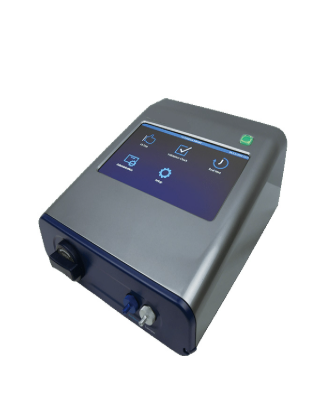
Working Principle
The mask leak tester operates based on the technology of measuring aerosol concentration using a photometer. It introduces a standard concentration of aerosol into the test chamber, has the tester wear the mask or respirator, and perform a series of actions as instructed. The leakage performance of the mask or respirator is then evaluated by measuring the aerosol concentration inside the test chamber and inside the mask or respirator. Its working principle, based on the technology of measuring aerosol concentration using a photometer, can display test data in real time and provide an evaluation based on the test results. Mask and respirator leak testers are widely used by mask manufacturers, national labor protection equipment inspection agencies, and other fields to ensure that the quality of masks or respirators meets relevant standards and requirements, thereby protecting the health and safety of wearers.
Operating Instructions
The operating instructions for the mask leakage tester cover three stages: pre-test preparation, testing procedure, and post-test processing. The specific operations are as follows:
Pre-test Preparation
Subject Preparation:
Select 10 individuals with head and face sizes that fit the mask's fit range for the test.
Subjects must shave to ensure a proper fit between the mask and their face.
The mask should be worn comfortably for the subject; the headband should not be too tight or too loose.
Equipment Preparation:
Check the particulate matter concentration inside the test chamber to ensure it meets the testing requirements.
Check the filter's filtration efficiency for oil mist; it should be higher than 99.997%. If the manufacturer does not have a filter with this oil mist filtration efficiency, a filter with a higher efficiency than 99.997% may be used as a substitute during the test.
Ensure the sampling tube in the test chamber is positioned within the subject's head movement area. Install the sampling tube on the sample being tested, ensuring the interface is airtight, with the tube end close to the mouth and nose area.
Environmental Preparation:
The testing environment should be at normal temperature and pressure, with a relative humidity less than 75%. Test Procedure
Aerosol Generation and Concentration Adjustment:
Particles are introduced into the detection chamber, and the concentration is adjusted to the required stable concentration.
The vacuum pump is activated, and the airflow concentration is measured by a photometer to ensure concentration stability.
Subject Wearing and Preliminary Airtightness Check:
The subject wears the mask correctly, and a preliminary airtightness check is performed according to the instructions. After proper adjustment, the sampling tube is connected to the photometer.
Background Concentration Measurement:
The vacuum pump is activated, and the airflow concentration inside the mask is measured when the subject breathes in smoke-free air outside the detection chamber. Five measurements are taken, and the average value is taken as the background concentration.
Leakage Concentration Measurement:
The subject enters the detection chamber and performs the following actions as instructed: normal breathing for 2 minutes, deep breathing for 2 minutes, turning the head left and right and tilting the head up and down for 2 minutes, and walking for 2 minutes.
During each action, the airflow concentration inside the mask is measured, and five data points are taken. The average value is taken as the leakage concentration for that action.
Post-Test Processing
Leakage Rate Calculation:
The total leakage rate is calculated using the formula "Leakage Rate = (C₂/C₁) × 100%", where C₂ is the aerosol concentration inside the mask (leakage concentration), and C₁ is the aerosol concentration in the test chamber environment (external concentration). A lower value indicates better sealing performance.
Result Recording and Report Generation:
Record the test results, including leakage rates at each stage of operation and the average leakage rate.
Generate a test report based on the test results to determine whether the mask meets the standard requirements.
Maintenance and care
To ensure the accuracy and reliability of the tester, regular maintenance and upkeep are essential. Here are some maintenance and upkeep recommendations:
Regular Cleaning: Regularly clean the exterior and internal components of the tester to keep the equipment clean and dry. Avoid dust, dirt, and other impurities that could damage the equipment. When cleaning, use a soft cloth and appropriate cleaning agent; avoid using cleaning agents containing corrosive substances.
Check Power Supply and Cables: Ensure that the power supply and cables are securely connected and not loose or damaged. Regularly check the power plug and cables for aging or damage, and replace them promptly if necessary.
Calibration and Calibration Cycle: Regularly calibrate the instrument to ensure its accuracy and reliability. Determine the calibration cycle based on the equipment's usage and the manufacturer's recommendations. If errors or abnormalities occur, calibrate and adjust promptly.
Avoid Overuse: Avoid overusing the instrument to prevent damage. During continuous use, carefully observe the equipment's operating status; if any abnormalities are found, stop use immediately and inspect the equipment.
Moisture and Dust Protection: The leak tester should be stored in a dry, well-ventilated environment to avoid the effects of moisture and dust on the equipment. If the equipment is not used for an extended period, it should be powered on and run for a period of time periodically to maintain its good condition. Regularly replace consumable parts: Some components of the instrument are consumables, such as sensors and filters. Regularly check the wear and tear of these parts and replace them promptly if necessary.
By regularly cleaning, checking the power supply and cables, calibrating and adjusting calibration cycles, avoiding overuse, protecting against moisture and dust, regularly replacing consumable parts, and training operators, the lifespan of the instrument can be effectively extended, and the performance and reliability of the equipment can be improved.
As a key piece of equipment for ensuring the quality of protective gear, the mask and respirator leak tester relies on precise operation and meticulous maintenance to ensure accurate test results and long-term stable operation. By strictly following operating procedures and performing regular maintenance, we can not only effectively assess the leakage performance of masks and respirators but also build a solid defense for the health and safety of wearers. In future use, we should continue to maintain a rigorous attitude, continuously optimize operating methods, and strengthen equipment maintenance to promote the sustainable and healthy development of the protective gear industry.
Previous: What is the Filter Media Tester G350?
N e x t : What is the High Acceleration Shock Test System?
