





What is the core value of the Fat End Type of Thread EndSuction Machine?
2026/01/05
Share:

Technical Principle
The core working principle of the Fat End Type Thread Extractor is based on the synergistic effect of the negative pressure suction generated by a centrifugal fan and a multi-stage filtration system. When the equipment starts, the motor drives the fan to rotate at high speed, creating a strong negative pressure at the air intake, drawing in impurities such as loose threads and fiber debris from the air. The airflow then enters the filtration system, first passing through a pre-filter to intercept large particles, then through a high-efficiency HEPA filter or electrostatic precipitator to capture micron-sized particles, ultimately releasing clean air. Some high-end models are also equipped with an activated carbon filter layer, which can adsorb odor molecules, further optimizing the working environment.
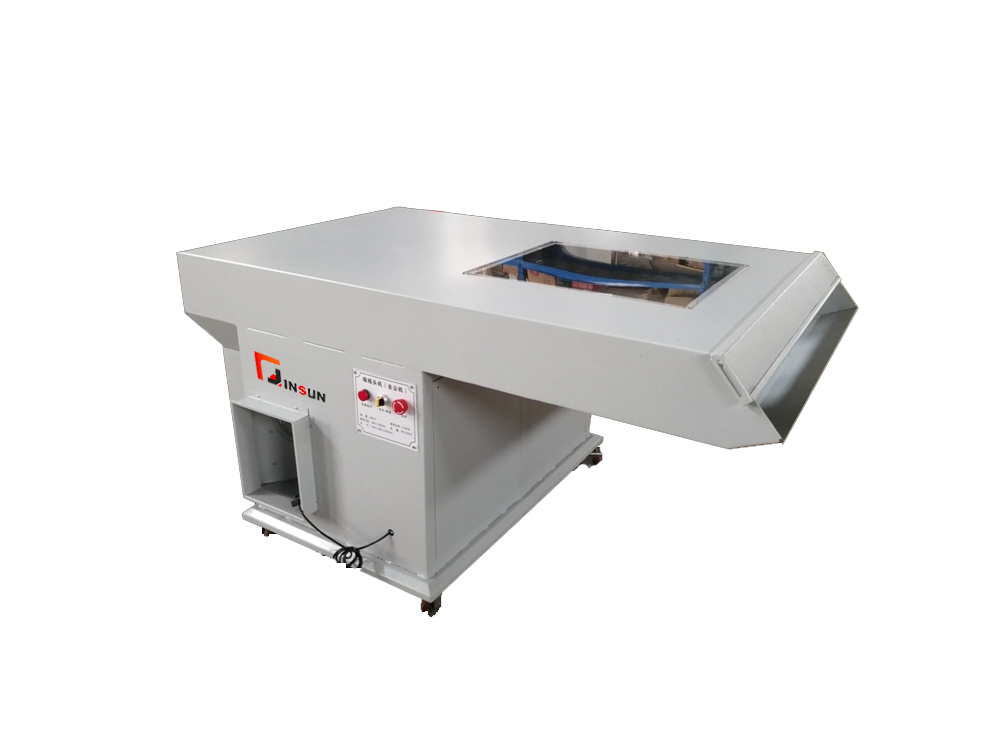
Taking a certain model as an example, its fan power reaches 6.0 kW, creating a continuous and stable negative pressure environment at the suction port. The suction range covers a conical suction port area with a diameter of 1000 mm and a height of 180 mm. This design allows the equipment to efficiently clean large areas of carpet fibers and precisely handle small threads on garment cutting tables, meeting the needs of different production scenarios.
Functional Features
The Fat End Type Thread Remover emphasizes three core advantages in its functional design: high efficiency, safety, and convenience. Its technical details directly reflect a precise understanding of the pain points in the textile industry.
1. High-Efficiency Cleaning Capacity The equipment adopts a large-diameter suction port and an adjustable suction design. The suction port size can reach 1000×180 mm, increasing the coverage area by more than 30% compared to traditional models. The suction intensity can be adjusted through frequency conversion control technology. For example, the suction can be increased when cleaning thick carpets and decreased when handling thin silk fabrics to avoid damaging the fabric. Experimental data shows that this equipment can clean fiber debris from over 50 square meters of carpet surface within 2 hours of continuous operation, increasing efficiency by 8 times compared to manual sweeping.
2. Anti-static and Safety Protection: Addressing the high static electricity generation characteristic of the textile industry, the equipment's outer shell uses a conductive coating process, and the internal wiring is equipped with an anti-static grounding device to ensure that no safety hazards are caused by static sparks during operation. Simultaneously, the filtration system uses anti-static filter media to prevent fiber debris from adsorbing and clogging the filter screen, extending the equipment's lifespan. A safety test report shows that after 4 hours of continuous operation in a dry environment, the surface static voltage of the equipment remained below 50 volts, far below industry safety standards.
3. Flexible Mobility and User-Friendly Operation: The equipment is equipped with four self-locking casters at the bottom, supporting 360-degree rotation and fixation, allowing operators to easily move the equipment within the workshop. The control panel uses a touch-screen LCD display that shows parameters such as suction strength, filter status, and working time in real time, and supports intelligent functions such as one-button start and timed shutdown. In addition, the equipment offers two operating modes: standing and sitting. Operators can choose a comfortable posture according to their workload to reduce labor intensity.
Application Scenarios
The Fat End Type Thread Removal Machine has a wide range of applications covering the entire textile industry chain. Its technical characteristics make it a core piece of equipment in many production stages.
1. Garment Manufacturing
In garment cutting, sewing, and ironing processes, the machine can quickly clean thread ends and fabric scraps from the cutting table, preventing impurities from embedding in sewing machine needle eyes or ironing machine surfaces, thus reducing equipment failure rates. Data from a large garment factory shows that after introducing this equipment, the sewing machine thread jamming failure rate decreased from 15 times per month to 3 times, and equipment maintenance costs decreased by 60%.
2. Carpet and Home Textiles
For carpet weaving, tufting, and other processes, the machine can efficiently remove fiber lint generated during production, preventing it from drifting into the workshop air or adhering to equipment transmission parts, ensuring a clean production environment. After adopting this equipment, a carpet manufacturer reduced the dust concentration in its workshop air from 12 mg/m³ to 3 mg/m³, meeting national environmental protection standards.
3. Medical and Protective Clothing Production Sector
In the production of high-cleanliness products such as medical protective clothing and surgical gowns, the equipment utilizes HEPA filters and activated carbon deodorization to ensure a sterile and odorless production environment. Tests conducted by a medical supplies company showed that this equipment can reduce the bacterial content in the workshop air from 500 CFU per cubic meter to below 50 CFU, significantly improving the hygiene level of the products.
Maintenance and Care
To ensure the long-term stable operation of the Fat End Type duct removal machine, a systematic maintenance system needs to be established, focusing on the following aspects:
1. Daily Cleaning
After each day's work, large particles should be cleaned from the surface of the pre-filter to prevent clogging. It is recommended to use a soft brush or compressed air for cleaning. Do not wash the filter directly with water to prevent deformation of the filter media.
2. Filter Replacement
High-efficiency HEPA filters should be replaced every 3-6 months, depending on usage frequency and working environment. Replace the filter immediately when the suction power decreases significantly or the filter surface shows damage. A maintenance manual indicates that regular filter replacement can reduce suction power attenuation by 40%.
3. Motor and Fan Inspection
Check the motor bearing lubrication monthly and add special grease to reduce wear; clean the fan blades of any tangled fibers to ensure balanced fan rotation. A fault analysis report indicates that fan blade entanglement is the main cause of abnormal equipment vibration, accounting for 65%.
4. Safety Protection Inspection: The grounding resistance and integrity of the anti-static coating on the equipment are inspected quarterly to ensure effective electrostatic protection. The locking mechanism of the self-locking casters is also checked to prevent slippage during equipment movement.
Technological Upgrade Trends
With the advancement of Industry 4.0 and smart manufacturing, Fat End Type lint removers are upgrading towards intelligence and modularity. Some high-end models have integrated IoT sensors, enabling real-time monitoring of equipment operation and uploading data to the cloud for remote fault diagnosis and predictive maintenance. Modular design allows users to flexibly combine components such as suction ports and filters according to production needs, improving equipment adaptability. For example, a new type of equipment supports setting cleaning routes via an app, automatically completing workshop patrol cleaning tasks, further reducing labor costs.
Through technological innovation and functional optimization, Fat End Type lint removers have become an important tool for the textile industry to improve production efficiency, ensure product quality, and improve the working environment. Their high-efficiency cleaning capabilities, safety protection design, and flexible application scenarios not only solve the problems of low efficiency and numerous safety hazards of traditional cleaning methods, but also promote the industry's transformation towards green and intelligent manufacturing through intelligent upgrades. In the future, with continuous breakthroughs in materials science and IoT technology, this equipment will play an even greater role in the cleaning field of the textile industry, helping the global textile industry move towards a higher level of sustainable development.
Previous: How to test the flexibility of leather shoe uppers?
N e x t : What is Anatomy Cloth Burling Machine?
