





What is Bally Waterproofness Tester?
2026/01/07
Share:

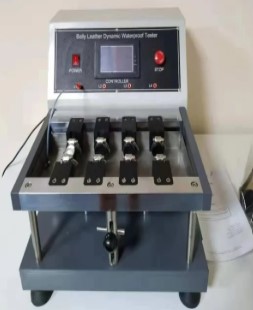
Working Principle:
The main function of the Bally Waterproofness Tester is to simulate factors such as water flow and moisture encountered in real-world environments to test the waterproofing performance of materials or products. Its working principle is based on standard water flow and pressure control technology. By applying a certain water pressure and flow rate to the sample, it simulates the waterproofing capability under different environmental conditions.
Water Pressure and Flow Control: The core components of the tester include a water flow control system and a pressure regulating device. During testing, the instrument pumps water and controls the water pressure and flow rate. The water is sprayed onto the sample surface, simulating heavy rain or other water flow conditions. Depending on the required testing standards, the water pressure and flow rate can be adjusted to ensure that the test meets international or industry standards.
Waterproofing Assessment
Under the influence of flowing water, water may penetrate or leak from the surface of the test sample. The Bally Waterproofness Tester uses advanced sensors, visual monitoring, or colorimetric reagents to detect whether water has penetrated into the sample. By observing the depth, speed, and extent of water penetration, the waterproofing performance of the sample can be evaluated.
Data Recording and Analysis
During the test, the equipment is typically equipped with a data recording and analysis system that displays the water penetration status of the sample in real time. This data provides a reliable basis for subsequent quality analysis and report generation.
Multi-Sample Testing
In addition to testing at a single location, the Bally Waterproofness Tester also supports multi-point testing at multiple locations. This feature is particularly suitable for testing the waterproofing performance of large-area waterproofing materials or multi-layered structures, ensuring consistent performance across different locations.
Operating Procedures
Operating the Bally Waterproofness Tester is not complicated, but strict adherence to certain steps is necessary to ensure accuracy and reliability. The following is a typical operating procedure:
1. Preparation
Before conducting the test, the instrument needs to be checked and prepared. First, ensure the instrument is in good working order and free from damage or dirt. Check that the water supply is sufficient and ensure the water flow system and nozzles are not clogged.
2. Sample Preparation
Select a suitable sample according to the test requirements, ensuring the sample surface is flat and the dimensions meet the equipment requirements. Before testing, check that the sample is clean to avoid dust or other debris affecting the test results.
3. Setting Test Parameters
Set the required test parameters, including water pressure, flow rate, and test time, through the equipment control panel or software interface. Select appropriate parameter values according to the test standards (such as ISO, ASTM, or other industry standards).
Water Pressure: This is typically adjusted according to the type of sample and the required waterproofing level. For lightly waterproof materials, lower water pressure is needed; for materials with high waterproofing requirements, higher water pressure is required.
Flow Rate: The flow rate determines the intensity of the water flow and is usually related to the waterproofing requirements of the material.
Test Time: Test time typically affects the degree of water penetration. Different time settings simulate different rainstorm or humid conditions.
4. Sample Installation: Install the sample to be tested onto the test platform of the testing instrument. The sample should be firmly fixed to ensure that it will not shift or deform during the test.
5. Start the Test: Start the testing equipment to begin water spraying. During the test, the instrument will control the water spray according to the set parameters. Observe whether water penetration occurs on the sample surface. Some devices also have a real-time display function, allowing operators to monitor the test progress at any time.
6. Record and Evaluate Results: After the test, the equipment will automatically record the data and generate a test report. By analyzing data such as the degree of water penetration, penetration depth, and area, the waterproofness of the sample can be evaluated. At this point, a pass/fail judgment can be made according to the test standards.
7. Cleaning and Maintenance After each test, the equipment should be cleaned, especially the water flow system and nozzles, to prevent clogging by scale or impurities. Regular maintenance can extend the equipment's lifespan and ensure the accuracy and precision of each test.
Practical Applications
Bally Waterproofness Testers have wide applications across various industries, especially in sectors with high waterproofing requirements. Here are some typical application scenarios:
1. Construction Industry: Exterior wall materials, roofs, windows, and other components in the construction industry are frequently exposed to rain and moisture, making their waterproofing performance crucial. Bally Waterproofness Testers are widely used to test the waterproofing of building materials (such as waterproof coatings, glass, and stone) under various environmental conditions, ensuring buildings can withstand water damage from severe weather.
2. Apparel and Outdoor Products: In the apparel industry, especially in outdoor sportswear and waterproof equipment, waterproofing is a key criterion for evaluating product quality. Bally Waterproofness Testers are used to test the performance of waterproof clothing, tents, backpacks, and other products in simulated rain or humid environments, ensuring consumers remain dry in harsh weather.
3. Automotive Industry: Waterproofing testing is very important in the automotive industry, especially in evaluating the waterproofing performance of components such as the car body, windows, roof, and tires. By using the Bally Waterproofness Tester, manufacturers can simulate rainfall of varying intensities to test vehicle performance in diverse aquatic environments, ensuring their safety and reliability.
4. Electronic Products
In modern electronic products, especially smartphones, laptops, and smartwatches, waterproofing is a crucial factor for consumers. The Bally Waterproofness Tester can be used to test the waterproofing of these devices' casings, ensuring they function properly in humid environments such as rain and sweat.
5. Packaging Industry
In food and pharmaceutical packaging, the waterproofing performance of packaging materials directly impacts product quality and safety. The Bally Waterproofness Tester can be used to test the waterproofing of various packaging materials, ensuring they effectively prevent the effects of external moisture on the product.
Maintenance and Repair
To ensure the long-term stable operation of the Bally Waterproofness Tester, regular maintenance and repair are essential. Here are some maintenance recommendations:
1. Regular Calibration and Inspection
Regularly calibrate the equipment to ensure accurate test results. Check the instrument's pressure sensor, flow meter, and nozzles for proper functioning; calibrate or replace parts as necessary.
2. Clean the Water Flow System
After each use, thoroughly clean the water flow system and nozzles to prevent the buildup of scale, impurities, or other deposits. Clean the water pump and pipes regularly to ensure smooth water flow.
3. Check for Leaks
The instrument's leak-proofness is crucial for ensuring testing accuracy. Regularly check all sealing components to ensure there are no leaks. Replace any aged or damaged seals promptly.
4. Avoid Overuse
Avoid using the equipment beyond its specifications, especially water pressure and flow rate settings, to prevent overloading and shortening its lifespan.
5. Suitable Storage Environment
Ensure the equipment is stored in a dry environment with a suitable temperature. Avoid storing the equipment in high-temperature, humid, or corrosive environments.
The Bally Waterproofness Tester is a highly efficient and accurate waterproofness testing tool widely used in construction, clothing, automotive, electronics, and other industries. It helps users evaluate the waterproof performance of products by simulating water flow and moisture in real-world environments. With proper operation, regular maintenance, and upkeep, the testing equipment can be ensured to operate stably for a long time, providing reliable waterproof performance testing solutions for various industries.
Previous: What is Maeser Water Penetration Tester?
N e x t : What is a Multi-function Burling Machine?
