





What is a Multi-function Burling Machine?
2026/01/07
Share:

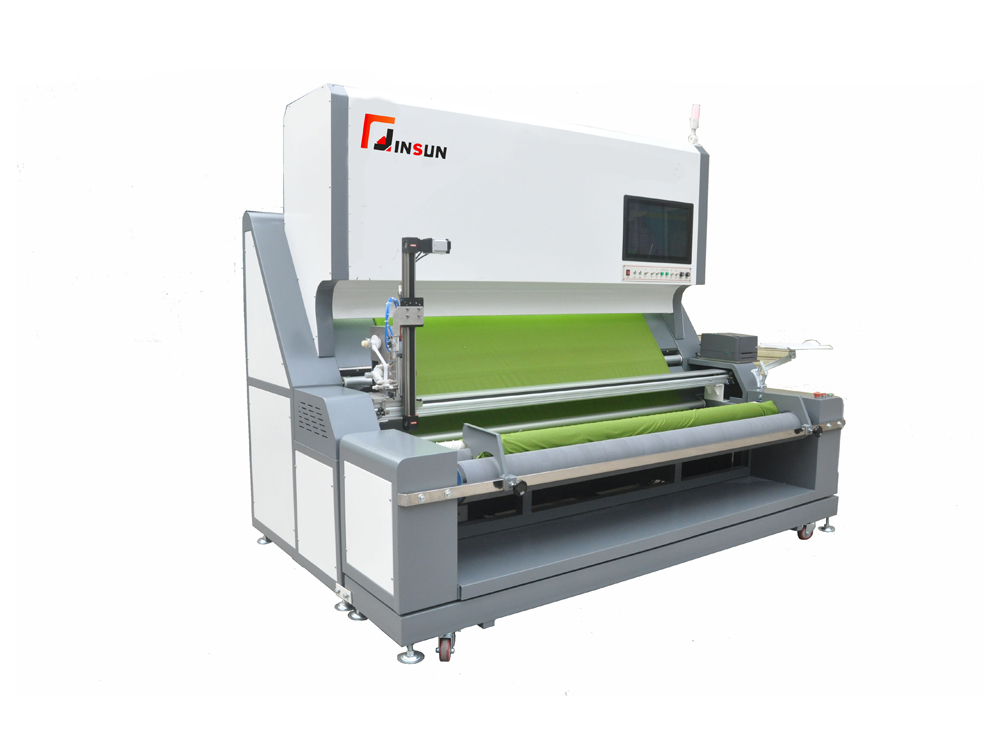
In the final stage of textile production, the surface quality of the fabric directly determines the product's grade and economic value. Whether cotton, wool, or synthetic fiber fabrics, defects such as knots, impurities, warp misalignment, weft breaks, or thick knots are inevitable during the weaving process. The multi-function burling machine, as a core piece of equipment in the finishing process, integrates fabric inspection, repair, stain removal, and roll inspection.
Working Principle
The core task of the multi-function burling machine is to provide a stable inspection platform. Combined with a precise tension control and conveying system, this allows operators to efficiently identify and address fabric defects.
Transmission and Speed Control System: The machine controls the motor via an AC frequency converter, achieving stepless speed regulation. This ensures that the speed of the fabric can be adjusted according to the complexity of the defects as it passes through the finishing table.
Tension Balancing Mechanism: Utilizing damping devices or automatic tension sensors, the machine ensures that the fabric neither develops loose wrinkles nor suffers warp stretching deformation due to excessive tension during unfolding.
Light Source Compensation System: To accurately identify different types of defects, the machine is typically equipped with a two-way light source. **Transmitted light (bottom light)** is used to observe the fabric's weave uniformity and warp/weft density defects; **Reflected light (top light)** is used to detect surface stains, fuzz, or impurities.
Finishing Platform Design: Multi-functional fabric finishing machines usually have a tilted finishing panel, ergonomically designed for easy manual intervention by the finishing operator using needles, scissors, or a stain remover.
Operating Procedure
Standardized operating procedures are essential for ensuring finishing efficiency and fabric quality.
1. Machine Start-up and Fabric Threading
Check that the area around the machine is free of debris and that the power supply and air pressure (if equipped with a pneumatic system) are within normal ranges.
Adjust the spreading rollers according to the fabric type. Pass the fabric through the guide rollers, spreader, and winding shaft along the prescribed path.
Note: For highly elastic or lightweight fabrics, the tension must be adjusted accordingly.
2. Parameter Setting
Set the target speed on the control panel (it is generally recommended to keep the initial speed between 5-15 meters per minute).
Turn on the lighting system and adjust the brightness according to the fabric color; dark fabrics usually require stronger top lighting.
3. Trimming Process
Circulating Observation: The operator should keep their eyes focused on the fabric surface on the trimming panel.
Stop the Machine: If coarse knots or impurities are found, stop the machine instantly using the foot switch. Use professional tools to pick, cut, and trim.
Stain Removal: For localized oil stains, use the built-in stain removal station and spray gun for localized treatment.
4. Winding and Unloading
Use the automatic edge alignment system (deviation correction system) to ensure the fabric shaft edges are neat.
After reaching the predetermined length, record the output, then cut and unload the fabric.
Application Scenarios
Multi-functional fabric repair machines are widely used in the finishing workshops of various textile enterprises. Specific applications include:
Yarn-dyed and worsted wool fabrics: In the wool textile industry, fabric repair is an extremely labor-intensive process. Multi-functional fabric repair machines effectively handle warp breaks and remove weft thick knots, significantly improving the first-grade yield of fabrics.
Pre-dyeing treatment: Before the fabric enters the dyeing process, the fabric repair machine removes surface knots and impurities, preventing color spots or white specks during dyeing.
Functional fabric inspection: For coated or waterproof fabrics, this equipment can be used to detect the uniformity of the surface coating and promptly address coating defects.
Export trade grading: According to international inspection standards (such as the four-point system), the location and quantity of defects are recorded during fabric repair, generating a quality inspection report.
Maintenance and Repair Guide
Precision textile machinery requires meticulous care. The following are key points for daily and periodic maintenance:
1. Daily Maintenance (Performed Every Shift)
Cleaning and Dust Removal: Due to the significant amount of textile fibers flying around, compressed air must be used at the end of each shift to clean the motor cooling vents, photoelectric switch sensors, and fiber debris from the drive chains.
Tabletop Cleaning: Wipe the finishing panels and glass with a soft cloth to avoid scratches that may obstruct visibility.
2. Periodic Maintenance (Monthly/Quarterly)
Lubrication System: Add an appropriate amount of grease to all rolling bearings, chains, and gears. **Important:** Prevent lubricant from dripping onto the fabric.
Edge Alignment System Check: Clean the lens of the edge alignment sensor (infrared or ultrasonic) and check for leaks in the hydraulic or pneumatic actuators.
Electrical Check: Check that the inverter fan is operating normally and tighten the wiring terminals to prevent motor overheating or malfunction due to loosening.
3. Common Troubleshooting
Uneven winding: Often caused by dust interference with the web guiding sensor. Clean the sensor or recalibrate the zero point.
Fabric wrinkling: Check if the spreading roller rotates freely, or adjust the angle of the spiral spreading roller.
Motor noise: Check if the bearings are worn, or if the belt tension is too high.
Multi-functional fabric repair machines are developing towards automation and intelligence. Modern equipment has begun to integrate automatic defect detection (AI image recognition) technology, using high-speed cameras to replace visual inspection, with humans only responsible for the final finishing work.
For businesses, choosing and maintaining a multi-functional fabric repair machine is not only about discovering defects, but also about maximizing the value of every meter of fabric through repair and finishing.
If you would like to know the tension parameter settings for specific fabrics (such as silk or heavy canvas), or need a detailed daily maintenance checklist, I can provide you with further information.
Previous: What is Bally Waterproofness Tester?
N e x t : Hair Loss Tester,FZT60029
