





What is a Multi-function Burling Machine?
2026/01/09
Share:

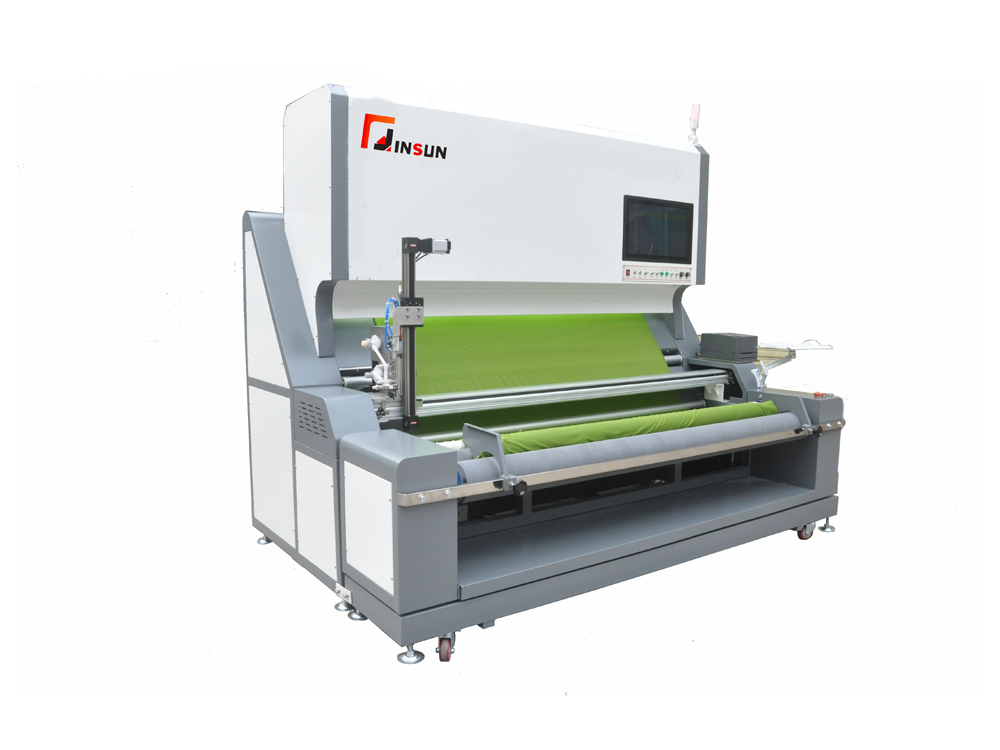
Definition and Core Functions
A multi-function burling machine is a specialized mechanical system designed for processing greige fabrics or semi-finished textiles. Its primary function is to reveal or remove surface defects—such as knots, loose yarn ends, and embedded impurities—through controlled mechanical intervention.
In traditional processes, burling and mending were performed manually on inclined inspection tables. Modern multi-function burling machines integrate automated fabric transport systems, precision lighting compensation systems, and mechanical brushing or picking mechanisms, transforming these operations into efficient and standardized procedures. These machines are mainly used for wool, worsted fabrics, blended textiles, and selected high-grade cotton fabrics, providing thorough surface cleaning and inspection before dyeing or shearing processes.
Working Principle
The operating principle of a multi-function burling machine is based on coordinated interaction among multiple systems, following the core logic of stable support, clear visualization, and precise intervention.
1. Drive and Tension Control System
Fabric transport speed must be adjustable and stable. Variable-frequency motor control is typically employed to achieve stepless speed regulation. Equally important is the tension balancing system. Through damping mechanisms or automatic tension sensors, the fabric remains flat without wrinkles while avoiding excessive longitudinal stretching. This stability is essential for accurate inspection and effective surface treatment.
2. Lighting Compensation System (Dual Illumination)
To accurately identify different types of defects, multi-function burling machines usually incorporate two lighting modes:
Transmitted light (backlighting): Positioned beneath the fabric, allowing light to pass through. This mode is used to detect structural irregularities, uneven yarn density, thin areas, or missed stitches.
Reflected light (top lighting): Positioned above the fabric, used to detect surface stains, raised fibers, slubs, or adhered foreign matter such as plant residues.
3. Mechanical Burling and Impurity Removal Mechanisms (Core Functional Layer)
The multifunctional nature of the machine is reflected in its mechanical intervention methods:
Rotating brush units: High-speed rotating brushes, typically made of nylon or natural bristles, remove protruding yarns and loose surface fibers.
Picking or hooked needle units: For high-quality wool fabrics, rollers equipped with hooked needles may be used. These needles penetrate the fabric surface to lift embedded knots, dead fibers, or plant matter, bringing them to the surface for complete removal during subsequent shearing processes.
Main Functions and Technical Features
The designation “multi-function” reflects the machine’s integration of multiple processes beyond basic fabric inspection:
Automatic defect marking and recording: Modern systems often include defect memory functions or automatic edge-marking devices. When defects are detected, operators can record their position or apply color markers, significantly improving the efficiency of subsequent mending operations.
Stain removal and localized correction: Ergonomically designed inclined working surfaces allow operators to perform spot cleaning or trimming using spray tools or specialized scissors.
Multi-material adaptability: By adjusting brush pressure and angle, the machine can handle a wide range of textiles, from lightweight worsted cashmere fabrics to heavy industrial textiles.
Intelligent data collection: The system can automatically measure fabric length and weight and generate defect distribution statistics, enabling seamless integration with internal quality management systems.
Application Value in the Textile Industry Chain
The application of multi-function burling machines spans multiple stages of textile production:
Pre-processing and Preparation
Before fabric setting or finishing, the machine removes lint, oil stains, and defective knots left from weaving, preventing these issues from becoming irreversible after high-temperature treatments.
Essential Equipment in Wool Processing
In wool textile manufacturing, burling and surface correction are core processes. These machines improve fabric fullness and ensure smooth, defect-free surfaces in finished products.
Industrial Textiles
For waterproof, airtight, or high-strength industrial fabrics, even minor defects can lead to functional failure. High-precision inspection capabilities make multi-function burling machines particularly valuable in this sector.
Selection Guidelines and Operational Considerations
When selecting and operating a multi-function burling machine, the following key factors should be considered:
Working width compatibility: Ensure the effective operating width accommodates the widest fabric specifications used in production.
Adjustable burling intensity: Fine control of brush pressure is essential to prevent fiber damage when processing fabrics of varying densities.
Lighting quality: Stable, flicker-free LED lighting with consistent color temperature reduces operator fatigue and improves defect detection accuracy.
Ease of operation: Evaluate the user interface for intuitive controls, including one-touch calibration and multi-language support.
As the global textile industry continues its transition toward higher quality and greater added value, the multi-function burling machine has evolved beyond a simple brushing device into an integrated platform combining precision mechanics, optical inspection, and digital management. By carefully treating every meter of fabric, it enhances surface aesthetics while reducing waste and rework rates, delivering tangible cost savings and efficiency improvements for textile manufacturers.
Previous: Clamp Force Test Machine,ASTM D6055-2019
N e x t : What is a conveyor needle detector?
