





What is a brushing machine used for?
2026/01/12
Share:

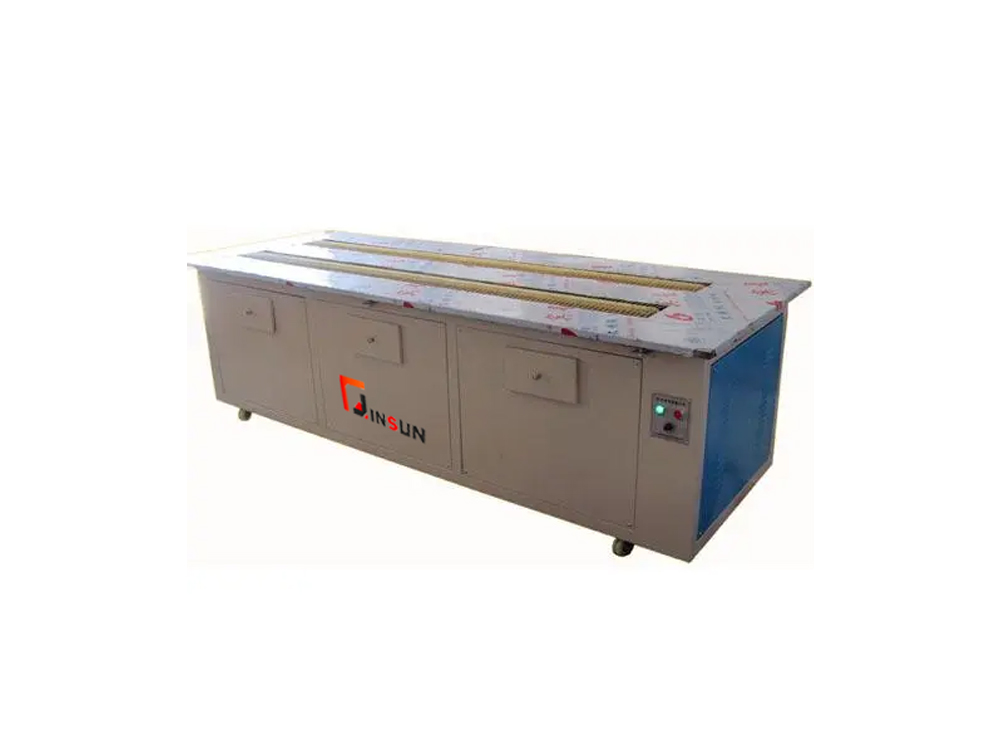
Applications in the Textile Industry
In the textile industry, brushing machines are commonly used as finishing equipment. During initial processing and fabric production, textiles tend to accumulate loose fibers, lint, and surface debris. If these impurities are not properly removed, they can negatively affect subsequent processes such as dyeing, printing, or coating. Therefore, brushing machines are widely used in textile production for fabric surface cleaning, fiber lifting, enhancing plushness, and improving hand feel.
1. Removal of Surface Impurities
During weaving and finishing, fabrics generate short fibers, dust, and fine fiber fragments that adhere to the fabric surface, reducing smoothness and visual quality. By using high-speed rotating brush rollers, brushing machines mechanically treat the fabric surface to effectively remove loose fibers and dust, resulting in a cleaner surface. This process is particularly suitable for natural fibers such as cotton and linen, significantly improving fabric quality and downstream processing performance.
2. Fiber Raising and Hand Feel Enhancement
Beyond impurity removal, brushing machines can raise surface fibers, creating a light nap that increases softness and bulk. For example, in the processing of suede fabrics, knitted fabrics, towels, coral fleece, and similar materials, brushing machines cause fibers to stand upright, forming a pile surface that enhances comfort and visual appeal. Brushed fabrics exhibit superior tactile properties and a more three-dimensional appearance.
3. Surface Effect Enhancement and Decorative Processing
By adjusting brush roller speed, pressure, and the number of brushing passes, various surface effects can be achieved, such as light nap, peach-skin finishes, or a more uniform and smooth appearance. Different fabric types and design requirements can be accommodated through flexible parameter adjustments, allowing brushing machines to meet diverse market demands. This versatility is widely applied in garment fabrics, home textiles, and specialty textile processing.
4. Preparing Fabrics for Subsequent Processes
Before fabrics enter dyeing, printing, or coating processes, inadequate surface cleanliness can lead to uneven coloring or unstable results. Brushing machines prepare fabrics by ensuring clean, uniform fiber surfaces, thereby improving the consistency and quality of dyeing and printing outcomes.
Specific Applications for Different Fabric Types
Because textiles vary widely in structure and application, brushing machines are used differently depending on fabric characteristics.
1. Anti-Pilling and Pile Fabrics
For anti-pilling fabrics, coral fleece, and long-pile textiles, brushing machines stimulate fibers so that pile strands stand slightly upright, enhancing plushness and visual quality. Treated fabrics offer improved comfort and are commonly used in winter garments and home textile products such as blankets, throws, and towels.
2. Cotton, Linen, and Natural Fiber Fabrics
Natural fiber fabrics often have many short fibers on the surface that, if left untreated, can cause defects in later processes or reduce comfort. Brushing machines mechanically remove these fibers, resulting in a cleaner fabric surface and higher-quality finished products.
3. Heavy Fabrics and Home Textiles
Home textiles such as curtains and carpets are thicker and denser. Brushing machines can remove deep-seated lint while improving surface uniformity, enhancing both visual and tactile quality. High-end velvet and decorative fabrics benefit particularly from the efficient cleaning and finishing capabilities of brushing machines.
Special Types of Brushing Machines and Their Functions
Different machine designs serve different purposes, including cleaning and fiber-raising applications.
1. Cleaning and Dust-Removal Brushing Machines
Some brushing machines are specifically designed for dust and lint removal. In knitted fabric cleaning equipment, brushing is combined with beating and vacuum extraction to remove dust and loose fibers from both sides of the fabric. These machines often incorporate high-pressure airflow or vacuum systems to enhance cleaning performance.
2. Finishing and Fiber-Raising Brushing Machines
Finishing-type brushing machines focus on fiber raising by mechanically pulling surface fibers into a partially upright position. This process increases fabric bulk and softness and is commonly used for blankets, flannel, and pile fabrics.
3. Multi-Function Brushing Machine Systems
Some brushing machines integrate beating, brushing, and vacuuming into a single system. These multifunctional designs significantly improve processing efficiency while addressing both surface and internal lint issues, providing more comprehensive fabric treatment solutions.
Applications Beyond the Textile Industry
Although textiles represent one of the most important application areas, brushing machines are also widely used in other industrial sectors.
1. Metal and Material Surface Processing
In metalworking, brushing machines are used to remove burrs, oxide layers, and welding residues, producing smooth and uniform surfaces. This treatment prepares metal parts for subsequent coating, plating, or painting processes. These machines typically use wire brushes or specialized abrasive brush materials.
2. Wood Surface Finishing
Wood brushing machines treat wooden surfaces to remove burrs and irregular fibers, improving surface smoothness and appearance. In some cases, brushing is also used to create decorative textures and highlight natural wood grain.
Advantages and Industrial Significance of Brushing Machines
Overall, brushing machines offer several key advantages as surface treatment equipment:
1. Improved Product Quality
Mechanical brushing removes impurities and lint, enhancing fabric cleanliness, appearance, and hand feel.
2. Increased Production Efficiency
Compared with manual cleaning or brushing, machines provide higher throughput, consistency, and reliability.
3. Support for Multiple Finishing Effects
By adjusting parameters and brush designs, brushing machines can perform dust removal, fiber raising, finishing, and texture treatment.
4. Integration with Automated Production Lines
In modern textile manufacturing, brushing machines can be integrated into automated lines, supporting continuous quality control and finishing processes for garments, home textiles, and functional fabrics.
Brushing machines are versatile industrial devices, particularly vital in the textile industry. They clean fabric surfaces, enhance fiber texture, improve appearance, and ensure better results in subsequent dyeing and printing processes. Different types of brushing machines are suitable for various fabrics and finishing objectives, and their efficiency and adjustability make them essential tools for improving product quality and production efficiency. Through proper use of brushing machines, textile manufacturers can better meet quality standards and market demands in industrial-scale production.
Previous: What is a conveyor needle detector?
N e x t : What is a Flat End Type of Thread End Suction Machine?
