





Fabric Friction Charging Charge Tester,JIS L-1094
2026/01/16
Share:

Testing Objectives
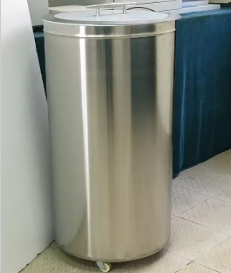
The primary purpose of the fabric friction charging tester is to simulate static electricity generation caused by friction on textiles under laboratory conditions and to evaluate their electrostatic behavior in a charged state. Through controlled friction and subsequent measurements, key parameters such as residual charge and surface charge density can be obtained, which are used to assess the anti-static performance or electrostatic safety of fabrics. The tester typically consists of a friction device and an electrostatic measurement system, including components such as a Faraday tube and electrostatic measuring instruments.
Fabric friction charging tests are of great significance in various fields, including functional textiles, anti-static garments, and protective clothing. The results not only provide critical parameters for product design and material selection but also serve as quantitative evidence for compliance with national and industry standards.
Testing Principles
Triboelectric Charging Mechanism
The fundamental mechanism behind fabric friction charging is the triboelectric effect. When two different materials come into contact and then separate, electrons are transferred from one material to another, resulting in surface static charges. By subjecting a fabric sample to a predetermined number of friction cycles under controlled conditions, the surface becomes electrically charged. The charged sample is then placed in a measurement system to determine its charge quantity and electrostatic potential distribution.
Experimental Procedure
A typical testing process includes the following steps:
Sample Preparation: Fabric samples are cut to specified dimensions according to relevant standards and conditioned in a controlled temperature and humidity environment.
Friction Charging: The sample is mounted in a friction device and rubbed against a friction fabric or material to induce static charge.
Electrostatic Measurement: The charged sample is placed inside a Faraday tube, where its total charge is measured using an electrometer or capacitor. The surface charge density is then calculated based on the sample area.
Data Recording: Key parameters such as charge quantity and electric potential are recorded for analysis.
The friction process may involve rotating drums or friction rods, with friction time, speed, and pressure adjusted according to different standards and testing requirements.
Major Testing Standards
To ensure consistency and international comparability, fabric friction charging tests follow multiple national and international standards.
Chinese GB/T Standards
GB/T 12703-91: Standard test method for evaluating electrostatic properties of textiles after friction charging.
GB/T 12703.2 / 12703.3: Sub-methods for assessing electrostatic performance, including surface charge density and total charge measurement.
GB 12059 / GB 12014: Special standards for anti-static fabrics and electrostatic performance testing.
FZ/T Industry Standards
FZ/T 01060 / FZ/T 01061: Methods for measuring friction-induced charge density and voltage on textiles, widely used in industry testing.
International Standard
JIS L1094: Japanese standard for evaluating friction-induced static electricity in textiles, commonly used for international comparison.
These standards provide detailed requirements on sample size, friction materials, number of friction cycles, and environmental conditions to ensure test reliability and repeatability.
Equipment Structure
A typical fabric friction charging tester consists of several core components:
Friction Charging Device
This may include rotating drum friction machines, friction rods, or rubbing pads that mechanically induce static charge on fabric samples. Drum dimensions, rotation speed, and friction cycles are set according to standard requirements.
Electrostatic Measurement System
The system includes a Faraday tube, electrometer, and capacitance measurement devices. After friction charging, the sample is placed inside the Faraday tube to measure its total charge, and data is recorded via voltage measurement instruments.
Control and Data Acquisition Unit
Advanced testers are equipped with digital displays and automated data acquisition systems that can record charge variation, peak voltage, and charge decay time, facilitating data analysis and report generation.
Environmental Control System
Since electrostatic behavior is highly influenced by temperature and humidity, some instruments integrate environmental control systems to maintain stable testing conditions within standard ranges.
Performance Characteristics
Although specifications vary among different models, most fabric friction charging testers share common technical features:
Charge Measurement Range: Typically from 0 to ±2 μC or higher, with precision up to ±0.001 μC.
Friction Fabric Size: Commonly around 400 mm × 450 mm, made of nylon or polypropylene.
Drum Dimensions: Usually with a diameter of at least 590 mm and depth of at least 360 mm.
Power Supply: Generally AC 220V, with equipment size and weight depending on design complexity.
Overall, these testers are known for high measurement accuracy, good repeatability, and relatively user-friendly operation.
Application Fields
Textile Electrostatic Performance Evaluation
The tester is widely used to assess everyday clothing, functional fabrics, and technical textiles, providing data for improving static comfort.
Anti-static Product Certification
Testing anti-static workwear and fabrics is a crucial step in meeting safety and industry certification requirements.
Medical and Protective Textile Development
In developing anti-static medical protective materials, this tester helps verify whether fabrics effectively suppress static charge buildup, enhancing user safety.
Research and Laboratory Testing
Universities, research institutions, and quality inspection centers use this equipment for fundamental research and product testing services.
Future Development Trends
As textile technology and automation advance, friction charging testers are evolving in several directions:
Higher Automation
Future systems may feature automated sample loading, test control, and data analysis to reduce human intervention and improve efficiency.
Integrated Environmental Control
Combining temperature and humidity regulation within the tester will improve consistency and reliability of test results.
Intelligent Data Analysis
With software algorithms and data analytics, testers may automatically generate electrostatic curves, trend analyses, and test reports, making results more intuitive and professional.
The fabric friction charging tester is an essential instrument for evaluating the electrostatic performance of textiles and functional materials. By accurately simulating friction-induced charging under laboratory conditions and following standardized test methods, it provides reliable data for product development, performance evaluation, and regulatory compliance. As technology advances, these testers will continue to evolve toward greater intelligence, precision, and efficiency, making a significant contribution to electrostatic testing in the textile industry and related fields.
Previous: Anti Synthetic blood penetration tester,ISO 22609:2004
N e x t : Protective Clothing Vertical Flame Spread Tester,BS EN ISO 15025:2002
