





What does a respirator fit test do?
2026/01/20
Share:

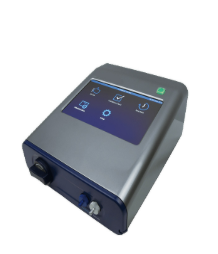
When a respirator does not seal properly against the wearer’s face, outside air—potentially containing chemicals, dust, or biological hazards—can enter through gaps in the seal, exposing the wearer to harmful substances. The purpose of a fit test is to identify the respirator model, size, and style that provides the best seal for the individual.
Essentially, a fit test does not measure the filtration efficiency of the respirator itself; rather, it confirms that the respirator can form a tight seal on the user’s face.
Importance of Fit Testing
Ensures Expected Protection
No matter how effective a respirator’s filter is, if the face seal is poor, air can bypass the filter through gaps, reducing protection and increasing exposure risk. Fit testing verifies whether the seal is adequate.
Necessary Due to Individual Differences
Each person’s face shape and size are different, so a “one-size-fits-all” approach does not work. Fit testing helps select the model and size that best fits the individual.
Meets Regulatory Requirements
Occupational safety regulations require that anyone using a tight-fitting respirator undergo a fit test before use, with at least annual retesting.
Adapts to Physical Changes
Weight changes, dental work, facial surgery, or significant scars can affect respirator sealing, so fit testing should be repeated after such changes.
Two Main Types of Fit Tests
Respirator fit tests are mainly divided into Qualitative Fit Tests (QLFT) and Quantitative Fit Tests (QNFT).
1. Qualitative Fit Test (QLFT)
This type of test does not use instruments but relies on the wearer’s sensory perception (taste, smell, or irritation response) to detect leaks. For example, if a test agent is sprayed and the wearer can taste or smell it, the respirator fails the test.
Common qualitative methods include:
Saccharin (sweet taste test)
Bitrex (bitter taste test)
Isoamyl Acetate (banana scent test)
Irritant smoke (causes coughing or irritation)
Qualitative testing is usually used for half-mask respirators, such as N95s.
2. Quantitative Fit Test (QNFT)
Quantitative testing uses specialized instruments to measure the ratio of contaminant concentration outside versus inside the respirator to objectively assess seal quality. It does not depend on human senses and provides precise results.
This method often requires modifications to the respirator to connect the testing device, and the wearer performs a series of movements (e.g., talking, nodding, turning the head) to simulate actual working conditions.
Quantitative tests are commonly used for full-face respirators or situations requiring high levels of protection.
Fit Testing Procedure
Training and Preparation
Participants must understand how to properly wear and adjust the respirator and confirm correct usage.
Respirator Selection
Multiple respirator models and sizes are provided so the wearer can find the best fit.
Actual Testing
During the test, the wearer performs a series of movements—normal breathing, deep breathing, speaking, looking down, and turning the head—to ensure the respirator maintains a seal in various conditions.
Result Evaluation and Documentation
Qualitative tests are reported as “pass/fail.” Quantitative tests provide a numerical fit factor that reflects leakage and determines pass/fail status.
Fit Testing vs. User Seal Check
These are often confused but are different in nature:
Fit Test: A formal, regulated procedure conducted by qualified personnel to confirm that the respirator forms an adequate seal.
User Seal Check: A simple check performed by the wearer each time the respirator is donned (e.g., positive or negative pressure check) to confirm the current seal. It does not replace a formal fit test.
When to Retest
Beyond the annual requirement, fit testing should be repeated:
When changing respirator model, style, or size
After noticeable facial changes (weight change, surgery, scars, etc.)
If the wearer feels the respirator no longer fits properly
Common Misconceptions and Best Practices
Visual Fit ≠ Safety
A respirator may look comfortable, but leaks can still occur at certain angles. Only fit testing can verify proper sealing.
Annual Testing is Minimum
“Once a year” is the minimum requirement; testing should be more frequent if facial features change.
Best Practices:
Always complete a fit test before using a tight-fitting respirator
Keep the face clean and free of factors that may interfere with the seal (e.g., long facial hair)
Maintain proper records of test results for compliance and review
Respirator fit testing is a scientific and expert-driven procedure with core purposes:
Ensures the respirator forms an effective seal with the wearer’s face
Helps select the most suitable respirator
Improves protective efficiency and reduces exposure risk
Meets safety regulations
In short, a fit test is not just about wearing a respirator—it ensures that once worn, the respirator truly protects the user.
Previous: Static Honest Meter,JIS L1094
N e x t : Gelbo Flex flexing chamber,EN 13795-2-2004
