





New-Generation Xenotest 440 Xenon Arc Weathering Test Chamber,ISO 4892-2
2026/01/29
Share:

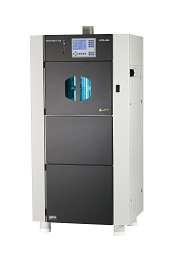
Among various xenon arc testing devices, the Xenotest 440 is a high-performance, fully featured environmental simulation chamber widely used for material aging and lightfastness testing. This article provides a detailed overview of its technical features, working principles, key parameters, testing standards, and practical applications, helping readers gain a comprehensive understanding of the chamber’s functions and significance.
Basic Concept
Background of Xenon Arc Weathering Tests
In natural environments, sunlight, temperature fluctuations, moisture, and humidity cycles collectively cause materials to age, change color, and degrade in performance. Traditional outdoor exposure tests are time-consuming and highly dependent on weather conditions. Xenon arc weathering tests accelerate material aging under controlled laboratory conditions by simulating these climate factors, providing fast, controllable, and repeatable methods for research and quality inspection.
A xenon arc weathering chamber reproduces the ultraviolet, visible, and infrared components of natural sunlight. By precisely controlling test parameters, it recreates environmental light and climatic stimuli to accelerate changes in material properties, making it one of the standard tools for weathering tests.
Importance of Xenotest 440 in Aging Simulation
The Xenotest 440 is specifically designed to simulate natural light and climatic conditions. It is suitable for testing the weather resistance of various materials, including plastics, coatings, fibers, and rubber. Its design emphasizes high efficiency, stability, and ease of control. Advanced control technology and uniform illumination ensure reproducible and reliable results, making the device suitable for research, quality control, and certification testing.
Core Design and Technical Features of Xenotest 440
High-Performance Xenon Arc Light System
The chamber is equipped with two 2200W air-cooled xenon lamps that serve as high-intensity radiation sources, simulating UV, visible, and infrared components of sunlight. The advanced dual-lamp control system allows total UV irradiance in the 300–400 nm range to reach up to 120 W/m² under standard testing conditions, significantly enhancing test efficiency.
Compared with conventional single-lamp systems, dual-lamp control increases irradiance and extends lamp life. Under standard testing intensity (40–60 W/m²), the dual-lamp system can operate continuously for over 4000 hours, greatly improving operational stability and cost-effectiveness.
Advanced Control System and User Interface
The device features a color touchscreen interface that monitors key parameters in real time, including solar irradiance, black panel temperature, chamber temperature, and relative humidity. Test programs can be easily set, saved, and selected, supporting rapid initiation of multiple test types. The system supports multilingual operation, facilitating use by technicians in different regions.
Irradiance and Temperature Control
The Xenotest 440 provides precise irradiance control within the 300–400 nm range, enabling materials to undergo aging tests under specific light conditions to meet various testing standards. The chamber incorporates the XENOSENSIV RC-300-400 BST monitoring system for accurate measurement and control of irradiance (W/m²) and black panel temperature (°C) at the sample location.
Temperature control supports two modes:
Chamber-only control (CHT): Maximum approximately 65°C.
Chamber plus black panel control (BST): Maximum approximately 115°C.
The dual-mode option allows flexible adjustment of test conditions to reflect material performance under different environmental scenarios.
Relative Humidity and Water Spray System
Humidity significantly affects material aging. The Xenotest 440 uses an ultrasonic humidifier to control relative humidity, ranging approximately from 10% to 75% during light cycles. It includes a 60-liter water tank for automatic refill and a sample spray system to simulate rain or other wet conditions.
This capability allows the chamber to conduct dry heat light exposure, as well as wet heat cycling and spray aging tests, providing a comprehensive evaluation of material weather resistance.
Large Tolerance Sample Holder Design
The sample holder features a rotating design, accommodating various sample sizes and shapes. Configurations include 38 positions (13.5 × 4.5 cm), 33 positions (10 × 6.8 cm), 22 positions (13.5 × 5.5 cm), or 11 positions (29.5 × 7.0 cm), greatly enhancing test flexibility and adaptability.
Key Technical Parameters and Functions
Irradiance and Spectral Control
Irradiance is a critical factor affecting test results. The Xenotest 440’s UV irradiance is adjustable from 30 to 120 W/m², suitable for different materials and testing standards. Advanced spectral filter combinations can simulate direct sunlight or window glass transmission, making results more representative of real-world conditions.
Temperature and Thermal Management
Beyond irradiation, thermal conditions impact material deformation, fading, and other changes. The chamber controls both interior air temperature and black panel temperature, reflecting the actual thermal load on sample surfaces. This dual control method helps reveal material behavior under extreme heat.
Humidity and Water Cycling
The water cycling system distinguishes dry heat light aging from wet heat aging tests. Ultrasonic humidity control combined with the integrated spray system can simulate dew, rain, and other moisture conditions, allowing comprehensive evaluation of light exposure, wet heat cycles, and spray aging within a single device.
Data Logging and Remote Management
The chamber has internal memory to record test parameters and operational data. Data can be exported via memory card or RS232 interface and supports Ethernet connectivity for remote monitoring, online viewing, and remote control, supporting modern laboratory digital management.
Testing Standards and Protocols
To ensure general applicability and comparability, the Xenotest 440 supports multiple internationally recognized standards for aging and lightfastness testing:
Colorfastness and Light Aging Standards
ISO 105-B02: Colorfastness testing
ISO 105-B04 / B06 / B10: Light aging and weathering tests
ISO 4892-2: Laboratory light source testing for plastics
Weathering and Application Testing
ASTM D2565: Simulated outdoor exposure of plastics
ASTM G151 / G155: Laboratory light source testing for non-metallic materials
AATCC TM16.3: Textile colorfastness testing
Other Industry Standards
The chamber also meets weathering testing requirements for automotive interior and exterior materials, building materials, and coatings, including simulation of high temperature, humidity, and combined light conditions.
These standards cover textiles, plastics, coatings, packaging, construction, and electronics, enabling the Xenotest 440 to be used across a broad range of performance evaluations.
Practical Applications
Plastics and Polymer Weathering
Plastics and polymers degrade in color, mechanical performance, and surface gloss under prolonged outdoor exposure. Accelerated xenon arc testing allows researchers to study formulations, stabilizers, and additives under controlled conditions, providing reliable guidance for material improvement.
Coatings and Paint Lightfastness Evaluation
Coating surfaces can fade or chalk under sunlight. Accelerated light and climate tests help evaluate resistance to UV and thermal cycling, optimizing formulations and application processes.
Textile and Colorfastness Testing
Textiles can fade or become brittle under sunlight and humidity. Light and wet heat cycle tests simulate real wearing conditions, assessing fiber dye fastness and UV resistance for apparel and outdoor products.
Packaging Material Weathering
Packaging materials may degrade or discolor due to light, temperature, and humidity changes during storage and transport. Aging tests predict long-term stability under logistics and storage conditions, protecting product quality and brand image.
Building Materials and Coatings Assessment
Exterior building materials, sealants, and decorative coatings are exposed to UV radiation and wet heat conditions. Accelerated tests simulate years of outdoor exposure in a short time, supporting material selection and structural design.
Maintenance Recommendations
Regular Calibration and Maintenance
Xenon lamps and sensors may experience changes in spectral output and accuracy over time. Regular calibration of irradiance sensors, black panel temperature sensors, and humidity modules is essential to maintain test precision. Humidity generators, water tanks, and spray systems should be maintained to prevent scaling or blockages.
Standard Compliance and Test Consistency
Before testing, appropriate cycles should be set according to product type and standards, including filter selection, irradiance, temperature, humidity, and water cycling. Strict adherence to testing protocols ensures high comparability and reliability of results.
Operational Safety and Environmental Conditions
The chamber operates with high irradiance, temperature, and water cycles. Operators must follow safety procedures. Laboratories should be well-ventilated and clean to prevent hazards from strong light exposure.
The Xenotest 440 xenon arc weathering chamber integrates advanced irradiance control, temperature and humidity regulation, water spray systems, and data recording. It simulates multiple outdoor environmental factors in the laboratory, providing systematic evaluation of material and product durability. The device supports a wide range of international standards and is suitable for weathering and lightfastness testing across plastics, textiles, coatings, packaging, construction, and other industries.
By using this high-precision, high-efficiency testing method, potential material issues can be identified early, providing scientific guidance for product development, formulation optimization, quality control, and certification testing. This helps improve product competitiveness and reduce the risk of performance issues later.
Previous: Xenon Arc Weathering Test Chamber,AATCC TM169
N e x t : Ci4400 Xenon Arc Weathering Test Chamber,ISO 105-B02
