





What is an UV chamber used for?
2026/02/02
Share:

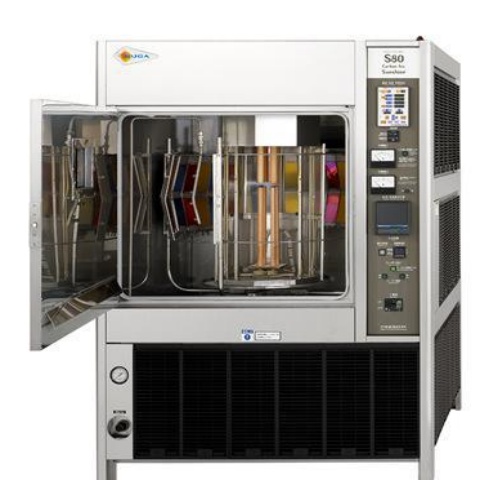
This article systematically introduces ultraviolet test chambers from their basic definition and working principles, and further explains their primary purposes, typical application fields, design concepts, practical testing procedures, and their role in scientific research and industrial production.
Definition and Basic Principles
An ultraviolet test chamber is a type of environmental simulation equipment whose core function is to reproduce the effects of ultraviolet radiation under natural sunlight conditions on materials or products. Natural sunlight consists of ultraviolet, visible, and infrared radiation, among which ultraviolet radiation—especially long-wave ultraviolet (UVA) and medium-wave ultraviolet (UVB)—has a significant impact on the photodegradation and aging of many materials.
Ultraviolet test chambers are equipped with dedicated UV light sources, most commonly fluorescent ultraviolet lamps such as UVA-340 or UVB-313. or other lamps capable of emitting specific ultraviolet wavelength ranges. By controlling parameters such as irradiance intensity, temperature, and environmental humidity, these chambers compress months or even years of outdoor exposure into a much shorter artificial aging test period conducted under laboratory conditions.
During testing, the UV light sources emit radiation similar to that of sunlight. This radiation can break chemical bonds within materials, triggering molecular structural changes that result in fading, loss of mechanical strength, cracking, chalking, and other aging phenomena. By observing these changes and comparing them with established evaluation criteria, it is possible to assess the aging rate and weather resistance of materials under real-world environmental conditions.
Overview of Primary Uses
The primary purpose of ultraviolet test chambers is to perform accelerated aging tests by simulating ultraviolet radiation environments, thereby evaluating the weather resistance, stability, and expected service life of materials or products. These uses can be broadly categorized as follows:
1. Evaluation of Material Weather Resistance
One of the most common applications of ultraviolet test chambers is the evaluation of material weather resistance, meaning the ability of materials to remain stable under long-term exposure to ultraviolet radiation and temperature–humidity cycles. Materials such as plastics, rubber, coatings, textiles, inks, and composite materials undergo physical and chemical changes when exposed to sunlight for extended periods, often resulting in performance degradation.
Through repeated accelerated aging cycles in a UV test chamber, it is possible to predict how materials will perform in actual outdoor environments. For example, plastics may discolor, become brittle, or crack after UV exposure; coatings may fade, lose gloss, or develop surface cracks; and rubber materials may lose elasticity or fracture. UV test chambers reproduce the key environmental factors responsible for these aging processes within a short time frame, enabling durability assessment under ultraviolet conditions.
2. Product Quality Control
For manufacturing enterprises, quality control during product design and production is essential. Ultraviolet test chambers play an important role in quality control systems by helping manufacturers verify whether materials or finished products meet predefined weather resistance requirements.
In quality control applications, UV test chambers are commonly used to:
Verify whether production batches meet long-term environmental performance requirements
Assess the impact of formulation changes or material substitutions on weather resistance
Ensure performance consistency across different production cycles
This rapid evaluation method significantly shortens inspection cycles, improves production efficiency, and reduces costs associated with premature aging failures, repairs, and product returns.
3. Scientific Research and Material Development
Ultraviolet test chambers are also widely used in scientific research. In fields such as materials science, chemical engineering, and nanotechnology, researchers need to quantitatively study material performance changes under ultraviolet exposure. When developing new coatings, solar cell encapsulation materials, or outdoor structural materials, in-depth investigation of light stability is essential.
Key characteristics of UV chamber use in research include:
Precise control of experimental variables: By adjusting UV wavelength, irradiance, temperature, and humidity cycles, researchers can systematically analyze the contribution of individual environmental factors to material aging.
Mechanism investigation: Through long-term UV aging tests combined with physical and chemical analysis, researchers can reveal the microscopic mechanisms of material degradation, providing scientific support for new material design.
In research settings, ultraviolet test chambers are not only tools for routine weather resistance evaluation but also essential instruments for advancing material innovation and scientific understanding.
4. Regulatory Compliance and Standardized Testing
Many industry regulations and standards require products to pass specific environmental aging tests before they can be marketed. International standardization organizations such as ASTM and ISO have established detailed ultraviolet aging test standards that specify test methods, parameter settings, and evaluation criteria, including widely adopted standards such as ASTM G154 and ISO 4892.
Standardized testing using ultraviolet test chambers ensures result comparability and compliance with domestic and international quality requirements, helping manufacturers achieve product certification and market access.
Typical Applications in Different Industries
As a versatile environmental aging testing tool, ultraviolet test chambers are used across a wide range of industries. Typical applications include:
Building and Architectural Materials
Building materials such as exterior wall coatings, plastic panels, sealants, and wood surface treatments are exposed to intense ultraviolet radiation and temperature–humidity variations during long-term outdoor use. These factors can cause discoloration, cracking, and loss of functional properties, affecting both aesthetics and durability.
Ultraviolet test chambers are used to simulate UV exposure and humid heat cycles for these materials, supporting weather resistance evaluation, formulation optimization, and product improvement.
Automotive Materials and Components
The automotive industry places particularly high demands on material weather resistance. Exterior components, vehicle coatings, seals, and tires are continuously exposed to sunlight, thermal cycling, and moisture. Ultraviolet radiation is a major contributor to the degradation of these materials.
Accelerated aging tests conducted in UV test chambers help engineers design more durable automotive materials and improve overall vehicle longevity. Test results are also used to define material specifications, warranty conditions, and design life targets.
Electronic Products and Consumer Goods Enclosures
The housings of electronic devices and consumer products, such as mobile phones, laptops, and outdoor electrical panels, must also withstand ultraviolet aging. Long-term light exposure may lead to discoloration, cracking, or embrittlement of enclosure materials.
Ultraviolet test chambers enable evaluation of enclosure material lifespan and light stability, ensuring that products maintain acceptable appearance and functional performance under various environmental conditions.
Textiles and Packaging Materials
Textile products such as outdoor clothing, tents, canvas, and fiber fabrics often experience fading and strength loss after prolonged sunlight exposure. UV test chambers simulate these aging processes to evaluate color fastness and mechanical property changes.
Packaging materials, especially those intended for outdoor storage or transportation, must also be evaluated for UV stability to prevent performance degradation during long-term use.
Testing Procedure and Key Operational Points
The typical operation of an ultraviolet test chamber includes the following steps:
Parameter Setup
Test parameters such as UV wavelength range, irradiance intensity, temperature limits, humidity conditions, and test duration are defined according to testing objectives and applicable standards.
Sample Installation
Test specimens are mounted on sample holders inside the chamber, ensuring proper spacing and appropriate distance from the UV light source.
Test Cycle Operation
The chamber is started, and the equipment performs UV irradiation, temperature regulation, and humidity cycling according to the programmed test sequence. Some systems also include water spray to simulate rainfall exposure.
Monitoring and Observation
During testing, specimen conditions are periodically monitored, and key indicators such as color change, mechanical property variation, and surface condition are recorded.
Post-Test Evaluation
After test completion, specimens are removed and evaluated using standardized assessment methods to quantify aging effects and material performance changes.
This process enables simulation of months or even years of real-world aging within days or weeks, representing the core value of accelerated aging testing.
Ultraviolet test chambers are essential laboratory devices designed to simulate natural ultraviolet radiation and associated environmental factors affecting materials and products over time. Through accelerated aging tests, they enable evaluation of weather resistance, stability, and long-term reliability. Across material development, product design, quality control, and standardized testing, ultraviolet test chambers play an irreplaceable role. By subjecting products from various industries to UV aging tests, manufacturers can improve service life prediction accuracy, enhance material selection, and strengthen overall product competitiveness in the marketplace.
Previous: UV-master UV Aging Test Chamber
N e x t : What is a Flat-Panel Air-Cooled Xenon Lamp Weathering Test Chamber?
