





What is the difference between IEC 61215 and 61730?
2026/02/04
Share:

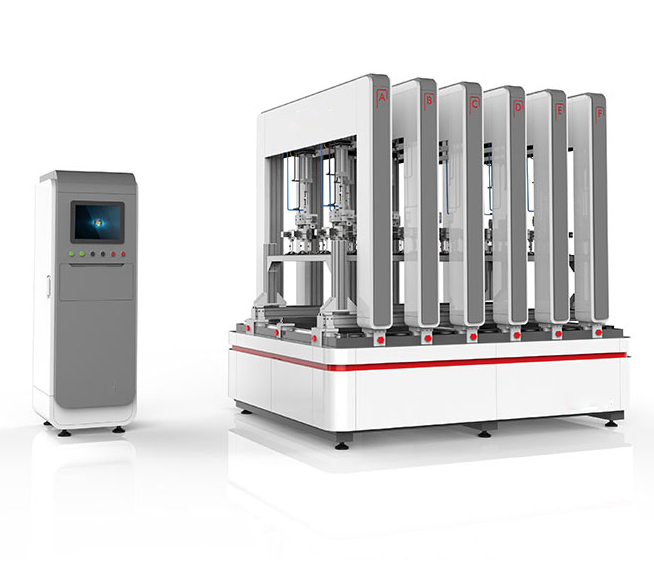
This article provides a detailed analysis of the differences and connections between IEC 61215 and IEC 61730. covering:
The basic definitions and scope of application for each standard
Their respective testing content and core focus areas
Their significance within the industry system and market access requirements
Testing procedures and final qualification criteria
Current trends and potential future revisions
Differences in Basic Definitions and Scope*
IEC 61215: Performance and Reliability Testing Standard
IEC 61215. published by the International Electrotechnical Commission (IEC), is the international standard for evaluating the performance and reliability of terrestrial PV modules. Its full title is “Terrestrial Photovoltaic (PV) Modules – Design Qualification and Type Approval.” The main purpose of IEC 61215 is to assess whether modules maintain stable electrical performance and durability under various stress conditions encountered in long-term outdoor use.
The standard specifies a series of rigorous environmental stress tests—including thermal cycling, damp heat, UV exposure, and mechanical load tests—to evaluate structural integrity and performance degradation. These tests examine whether modules experience cracking, material deterioration, solder joint failure, or other issues. Modules that pass IEC 61215 testing are considered capable of sustaining good power generation under typical outdoor conditions, meeting the requirements for “long-term reliability.”
IEC 61730: Safety Qualification and Risk Protection Standard
Unlike IEC 61215. IEC 61730 does not evaluate power generation performance or long-term durability. Its core purpose is to ensure that PV modules do not pose electrical shock, fire, or other safety risks during installation and operation. The standard, titled “Photovoltaic (PV) Module Safety Qualification,” defines minimum requirements for structural design, electrical insulation, fire resistance, and mechanical stability under normal and fault conditions.
IEC 61730 consists of two parts: the first outlines structural design requirements related to safety—such as insulation, clearance distances, and material reliability—while the second defines specific safety test procedures to verify compliance. Compared to IEC 61215. IEC 61730 emphasizes the safe operation of modules for users and connected equipment under a variety of conditions.
Core Focus Differences*
From a design perspective, IEC 61215 and IEC 61730 have distinct testing objectives:
IEC 61215: Focuses on module power performance and environmental adaptability
IEC 61730: Focuses on module safety, structural integrity, and risk mitigation
Performance and Durability: The Core of IEC 61215
IEC 61215 evaluates performance degradation, material durability, and structural stability under environmental stress tests such as:
Thermal cycling: Tests mechanical and electrical connection stability under alternating high and low temperatures
Damp heat: Simulates high temperature and humidity impact on internal materials and encapsulation
UV exposure: Assesses optical and physical changes in materials under strong sunlight
Mechanical load testing: Simulates wind, snow, and other mechanical loads on structural integrity
Freeze-thaw cycling: Combines humidity and low temperature to evaluate encapsulation failure risks under extreme conditions
These tests demonstrate that the module can withstand typical outdoor environments, reducing early damage or rapid power degradation caused by material aging or solder failure.
Safety and Risk Mitigation: The Core of IEC 61730
IEC 61730 focuses on whether a module can operate and be installed safely. Key aspects include:
Electric shock protection: Ensuring no risk to personnel or systems under normal or fault conditions
Fire resistance: Materials and structures must withstand external flames or internal faults
Mechanical safety: Modules must not present hazards such as broken glass or sharp edges under stress
Insulation and clearance requirements: Ensuring no dielectric breakdown or arcing occurs under high-voltage operation
IEC 61730 evaluates safety under fault scenarios, such as damage, aging, installation errors, or long-term load, ensuring modules do not create unforeseen hazards.
Industry Significance and Market Application*
IEC 61215 and Long-Term Reliability
PV modules typically have a design life exceeding 25 years and may face harsh environmental conditions in actual use. IEC 61215 provides a rigorous reliability assessment, helping manufacturers, buyers, and investors determine whether modules maintain stable output and structural integrity under typical environmental stress.
IEC 61215 certification has become a market access requirement in many regions; modules must pass its tests to be installed and connected to the grid. Compliance with IEC 61215 is thus a foundational prerequisite for market entry.
IEC 61730 and Safety Compliance
IEC 61730 ensures electrical safety and fire protection. Key scenarios include:
Rooftop installations in residential or commercial environments with high human activity
Installation in flammable or high-temperature areas
High-voltage grid-connected systems
IEC 61730 certification is generally considered the minimum safety requirement, and in many regions, it is mandatory for legal sales and installation.
Testing Procedures and Qualification Criteria*
IEC 61215 Testing Process and Evaluation
IEC 61215 requires modules to undergo a series of sequential environmental stress tests, each with clearly defined conditions (time, temperature, cycles). Typical stages include:
Preconditioning: Initial inspection and sample preparation
Environmental stress tests: Thermal cycling, damp heat, UV exposure, etc.
Post-test performance evaluation: Measuring electrical parameters to ensure they remain within allowable deviation
Final determination: Modules with no significant physical damage or electrical deviation are deemed compliant
Since IEC 61215 targets long-term reliability, tests such as damp heat and thermal cycling simulate decades of environmental stress. Evaluation considers both mechanical safety and performance retention.
IEC 61730 Testing Process and Evaluation
IEC 61730 focuses on safety verification, including material safety, fire testing, electrical insulation, clearance, impact, and mechanical stability. The process includes:
Structural safety assessment: Evaluating materials, insulation design, electrode connections, and structure
Safety testing: Fire resistance, dielectric breakdown, electrical clearance assessment, etc.
Simulation of abnormal conditions: Testing safety under short circuit, overload, or other fault scenarios
Comprehensive assessment: Modules that show no electrical leakage, shock hazard, or fire risk are deemed compliant
IEC 61730 evaluates not only post-test status but also whether the design and materials provide sufficient safety margin to prevent hazards.
Combined Use in the Industry*
In practice, PV modules generally require both IEC 61215 and IEC 61730 certification to constitute a complete quality and safety evaluation system.
Reasons for dual certification include:
Performance reliability: IEC 61215 ensures long-term power generation capability
Operational safety: IEC 61730 ensures no safety risks
Market access: Most regulations require compliance with both standards for legal sales
Customer confidence and financing: Dual-certified modules are more likely to secure project funding
This combined certification ensures modules meet technical performance standards while providing comprehensive safety assurance, enhancing overall system reliability.
Trends and Future Updates*
With new PV module technologies and materials—such as larger modules, glass–glass structures, and flexible designs—IEC standards are continuously updated to address more complex applications and higher technical requirements:
IEC 61730 updates electrical insulation requirements for higher system voltages (e.g., 1500 V and above)
IEC 61215 introduces additional test types and load scenarios
Supplementary technical specifications, such as high-temperature operation and salt mist corrosion tests, cover harsher environmental conditions
These trends indicate that single-base standards are no longer sufficient to fully evaluate new modules, making technical supplements and extended versions increasingly necessary.
IEC 61215 and IEC 61730 serve distinct but complementary roles in PV module certification:
IEC 61215: Evaluates power performance stability and long-term reliability under environmental exposure
IEC 61730: Ensures electrical safety, fire protection, and mechanical stability to prevent hazards
While their focus differs, compliance with both standards is typically required for international market recognition and access, providing dual assurance of reliability and safety. Understanding and applying these standards is essential across PV module design, manufacturing, procurement, certification, and application, forming the foundation for the safe and scalable development of the global solar industry.
Previous: What is the purpose of damp heat test?
N e x t : What are the disadvantages of using sandbags?
