





What are the disadvantages of using sandbags?
2026/02/04
Share:

Sandbags, as a traditional measure for flood control, protection, and temporary stabilization, are widely used around the world. Historically, sandbags have been employed for flood levees, trench support, temporary cofferdams, and other emergency scenarios, playing an important role in disaster response. However, with technological advancements and increasing protection requirements, the limitations and disadvantages of sandbags have gradually become apparent. While many still consider sandbags a low-cost and readily available solution, their shortcomings often create significant challenges in practical applications.
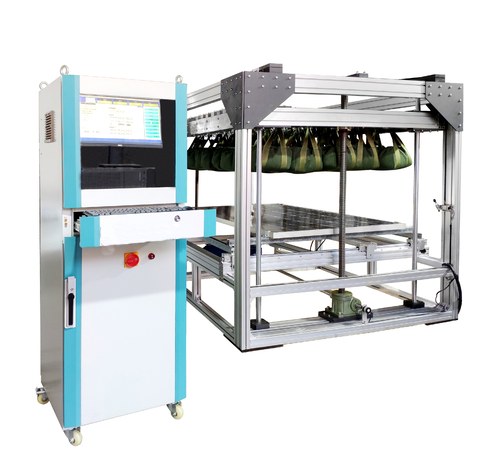
This article systematically summarizes the main disadvantages of using sandbags, including operational difficulties, low efficiency, environmental and health risks, effectiveness issues, and long-term costs, providing an in-depth analysis of their limitations in real-world protection scenarios.
Limitations in Construction and Deployment
1. High Labor Intensity
The basic process of using sandbags involves filling, transporting, and stacking them, all of which require significant manpower. Although sandbags themselves are inexpensive, filling a single bag typically requires one person with assistance, making the process time-consuming and labor-intensive. In emergency flood scenarios, rapidly deploying a large number of sandbags is extremely challenging.
For instance, a standard flood levee may require thousands of sandbags, and filling and transporting them can consume hundreds of man-hours. Mobilizing sufficient personnel in a short timeframe, especially under extreme weather conditions, is a major challenge for communities and volunteers.
Furthermore, sandbag deployment is largely manual, as no standardized automated methods exist. Protecting an area thus requires not only the materials but also timely coordination of manpower, which can be a limiting factor in emergencies.
2. Slow Deployment Speed
Compared to modern rapid-deployment flood protection systems, sandbag construction is slow. Filling the bags, transporting them to the site, and stacking them into barriers all take considerable time. In urgent situations like rising floods or heavy rain, time is critical. Often, responders may only partially complete sandbag deployment before the water arrives, reducing the overall effectiveness of the barrier.
Even experienced volunteers can fill only a limited number of sandbags per hour. For long flood defenses stretching tens or hundreds of meters, sandbag deployment requires days of preparation; otherwise, a continuous and effective protective barrier cannot be established in time.
Physical Limitations of Sandbags
1. Poor Water Tightness
Many people mistakenly believe that sandbags can completely block water. In reality, sandbags slow water flow through weight and structure rather than forming a fully watertight barrier. Gaps between sand grains and between bags allow water to seep through. Even when stacked as a barrier, water can penetrate, especially under strong currents or high water pressure, compromising protection.
2. Limited Durability
Sandbags have relatively low durability, particularly under repeated wetting and drying cycles. Compared to modern flood protection materials like metal or synthetic barriers, traditional sandbags (often made of jute or woven fabric) degrade when soaked. Over time, bags can tear and sand may leak out, making them unsuitable for long-term use. Extended exposure to water accelerates material deterioration, causing sandbags to lose effectiveness during prolonged floods.
Post-Use Handling and Environmental Concerns
1. Disposal and Contamination
After flood or protection tasks, sandbags often cannot be reused, especially if they have come into contact with polluted water containing debris, sewage, or chemicals. These sandbags and their contents are considered hazardous waste and require special disposal procedures, which incur additional costs.
Moreover, sandbag materials may contain plastics or other non-biodegradable components. Improper disposal can lead to soil and environmental contamination, creating secondary pollution. Handling, transporting, and disposing of contaminated sandbags adds complexity to post-flood cleanup.
2. Storage Challenges and Space Requirements
Sandbags are bulky and heavy, making long-term storage difficult. Communities and organizations need to store sandbags for future use, but their large volume demands substantial storage space. Improper storage can result in bags becoming damp, compressed, or degraded by sunlight, further reducing their effectiveness. Even sandbags stored for years may be unusable when needed, leading to waste.
Safety and User Experience Issues
1. Potential Safety Hazards
During deployment, sandbags can pose safety risks. Improperly placed sandbags in public areas may obstruct pedestrian paths, causing trips and falls. Additionally, although sandbags are heavy, they are not fixed structures; under human traffic or wind, they can shift, destabilizing barriers and creating hazards.
2. Visual and Social Acceptance
Sandbags are crude emergency solutions that often appear unattractive and can negatively affect the visual environment. In public or tourist areas, their presence may disrupt aesthetics, affect community perception, and draw criticism regarding preparedness or management.
Limitations in Effectiveness and Application
1. Unsuitable for Large-Scale or Long-Term Protection
While effective for small-scale, short-term protection, sandbags are limited in large-scale or prolonged flood events. Sandbag barriers often cannot withstand high water levels or strong currents, and issues such as seepage and bottom erosion weaken their protective capacity. Their lack of structural rigidity and continuity further reduces effectiveness in prolonged or severe flooding scenarios.
2. Inaccessible for People with Limited Mobility
The weight and difficulty of handling sandbags make them unsuitable for elderly or physically limited individuals. Effective flood response often requires community participation, and sandbags’ heaviness prevents some individuals from contributing, reducing overall community preparedness.
Although sandbags remain useful as a short-term emergency measure, their disadvantages are significant in practice. Labor-intensive deployment, poor water tightness, limited durability, difficult disposal, safety hazards, and environmental impact make sandbags insufficient for modern demands for fast, efficient, and safe protection.
Globally, alternative solutions have emerged, such as prefabricated barriers, rapidly deployable flood walls, and modular flood panels, which outperform traditional sandbags in deployment speed, durability, and overall effectiveness. For long-term or high-intensity protection, these alternatives should be prioritized over conventional sandbags.
In summary, sandbags retain value as temporary emergency tools but must be complemented by modern, efficient technologies and strategies to improve overall protection and community safety in complex flood scenarios.
Previous: What is the difference between IEC 61215 and 61730?
N e x t : How to measure for conduit bending?
