





What are medical grade compression stockings?
2026/02/05
Share:

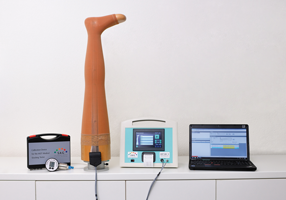
The key feature of medical-grade compression socks is that they apply graded pressure at different points along the leg. Pressure is measured in millimeters of mercury (mmHg), providing a precise and clinically validated level of compression that ordinary socks cannot achieve.
Differences Between Medical-Grade and Ordinary Socks
Ordinary socks, including general “compression” or elastic socks, are primarily intended for comfort, mild support, or cosmetic purposes. Their pressure levels are typically low and not sufficient for medical treatment.
Medical-grade compression socks differ significantly in design, manufacture, and purpose:
Precise pressure control: They conform to medically established pressure ranges (e.g., 20–30 mmHg, 30–40 mmHg), with higher levels usually requiring a doctor’s prescription. These pressure levels are clinically validated for therapeutic effects, rather than arbitrary elasticity.
Graduated compression design: Maximum pressure is applied at the ankle and gradually decreases up the leg, forming a pressure gradient that encourages upward blood flow against gravity.
Defined medical indications: Used to treat conditions such as venous insufficiency, varicose veins, deep vein thrombosis (DVT), leg edema, and post-operative recovery, often under professional guidance.
Individualized fit: Accurate leg measurements are required to ensure proper pressure distribution and avoid uneven compression or discomfort.
Compared to standard “daily-use compression socks,” medical-grade versions emphasize therapeutic efficacy, precise pressure control, and clinical suitability.
Mechanism of Action
Medical-grade compression socks improve lower limb hemodynamics through externally applied pressure. Their mechanisms include:
Promoting venous return:
The veins in the legs must work against gravity to return blood to the heart. Normally, vein walls and valves prevent backward flow. When valves are damaged or weakened, blood can pool, leading to varicose veins, swelling, or pain. Graduated compression—strongest at the ankle and tapering upward—helps compress leg muscles and veins, facilitating blood return and reducing pooling.
Reducing venous pressure:
Excessive venous pressure causes vein dilation, common in varicose veins. Medical-grade compression socks distribute pressure to reduce venous wall expansion and pressure fluctuations, alleviating or slowing disease progression.
Enhancing lymphatic return and reducing edema:
Compression assists lymphatic flow, reducing fluid accumulation caused by venous or lymphatic insufficiency.
Supporting muscle and tissue metabolism:
Compression aids muscle contraction to more efficiently pump blood, improving oxygen delivery and waste removal in tissues, which reduces fatigue and discomfort.
Clinical Indications
Medical-grade compression socks are widely used in both clinical and daily health management, particularly for:
Varicose veins and venous insufficiency: Alleviates discomfort, swelling, and heaviness while helping prevent symptom progression.
DVT prevention and management: Supports blood flow in bedridden, post-operative, or long-distance travel patients, reducing thrombosis risk.
Edema and fluid retention: Improves venous and lymphatic return to reduce swelling.
Chronic venous insufficiency: Assists long-term management of valve dysfunction, helping maintain circulation and symptom control.
Post-operative recovery and prolonged standing or sitting: Reduces fatigue and prevents circulatory issues in occupational or recovery settings.
Special populations: Pregnant women or travelers may benefit from compression to counteract venous pressure changes and maintain circulation.
Compression Levels and Corresponding Uses
Medical-grade compression socks are categorized by applied pressure, measured in mmHg at the ankle:
Mild compression (<20 mmHg): Relieves minor fatigue or swelling; generally available over the counter.
Moderate compression (20–30 mmHg): Considered entry-level medical compression; used for mild-to-moderate varicose veins, edema, or venous insufficiency. Doctor consultation is recommended.
High compression (30–40 mmHg or higher): Used for severe venous disease, edema, or post-operative recovery; requires medical supervision to ensure safety and efficacy.
Compression levels ≥20 mmHg are considered medical-grade and intended for therapeutic use rather than comfort.
Selection Guidelines
Proper selection is critical; incorrect pressure or size can reduce effectiveness or cause harm:
Medical evaluation and prescription: A healthcare professional should determine the appropriate compression level based on condition and severity.
Accurate leg measurements: Ankles, calves, thighs, and leg length must be measured to select the correct size.
Pressure level selection:
Light: Minor fatigue, general comfort.
Moderate: Varicose veins, mild edema, post-operative recovery.
High: Severe venous disease or significant edema, under professional guidance.
Sock length: Knee-high, thigh-high, or full-length options exist depending on circulation support requirements.
Material and comfort: Breathable, durable, and elastic materials improve long-term adherence.
Proper Use and Maintenance
Wear socks in the morning when swelling is minimal.
Use donning aids if necessary to prevent damage.
Wash according to manufacturer instructions; avoid high-heat drying to preserve elasticity.
Inspect for wear or loss of elasticity and replace as needed.
Precautions and Risks
Proper sizing is essential: Improper fit may restrict blood flow or cause discomfort.
Not suitable for certain vascular conditions: Severe arterial disease or infected skin lesions may contraindicate use.
Skin sensitivity: Allergic reactions or irritation may occur; adjust usage or materials as needed.
Medical supervision: High-compression socks should be used only under professional guidance.
Clinical Value and Evidence
Clinical research supports that medical-grade compression socks improve lower limb circulation, reduce venous pressure, prevent thrombosis, and relieve edema. Compared to ordinary socks, they provide uniform, therapeutic compression, adaptable to individual needs and conditions. They are widely adopted globally in clinical practice and recommended in multiple medical guidelines. Their mechanisms involve venous support, lymphatic circulation improvement, and tissue metabolic enhancement, making them an essential adjunct in venous and circulatory disease management.
Medical-grade compression socks are a specialized medical aid, designed and clinically validated to promote lower limb circulation, alleviate venous disease symptoms, prevent blood clots, and reduce edema. Unlike ordinary socks, they provide precise, graded compression with clear therapeutic objectives. Proper selection, use, and maintenance according to medical advice ensure safe and effective outcomes for individuals requiring circulatory support.
Previous: MMT Liquid Water Separation Tester,ISO 4920
N e x t : What are the 7 steps of dry cleaning?
